Video Show
Process Introduction
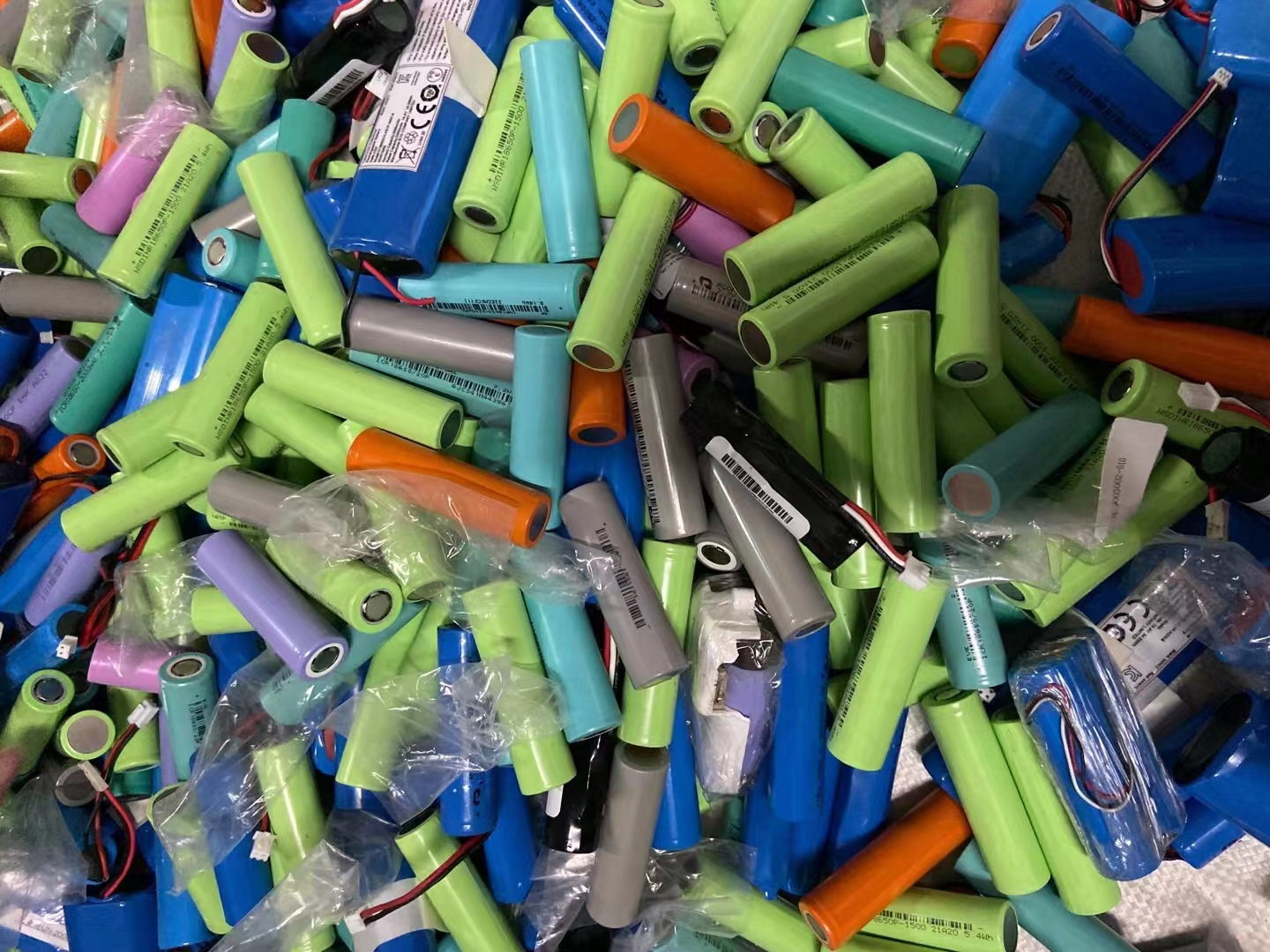
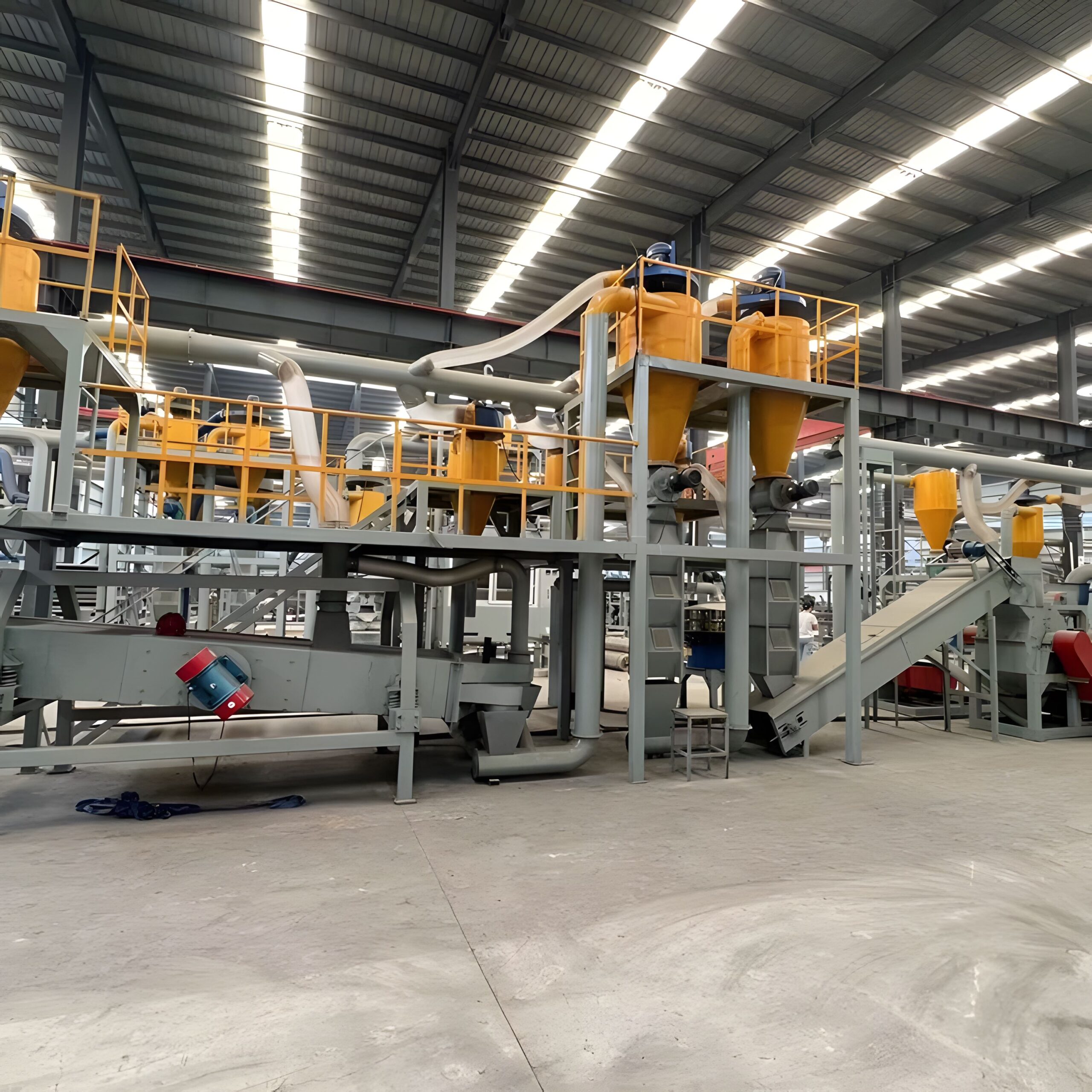
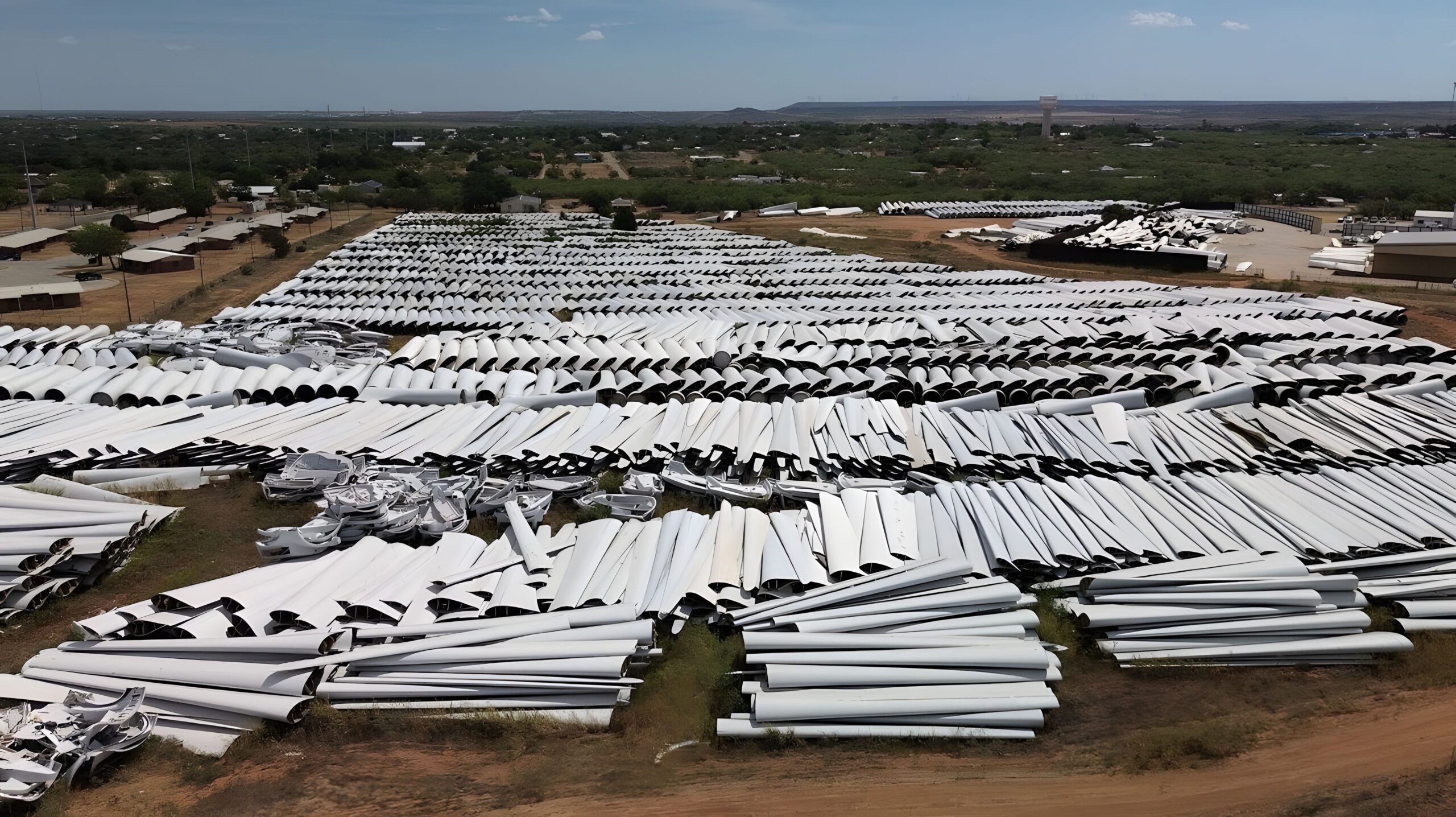
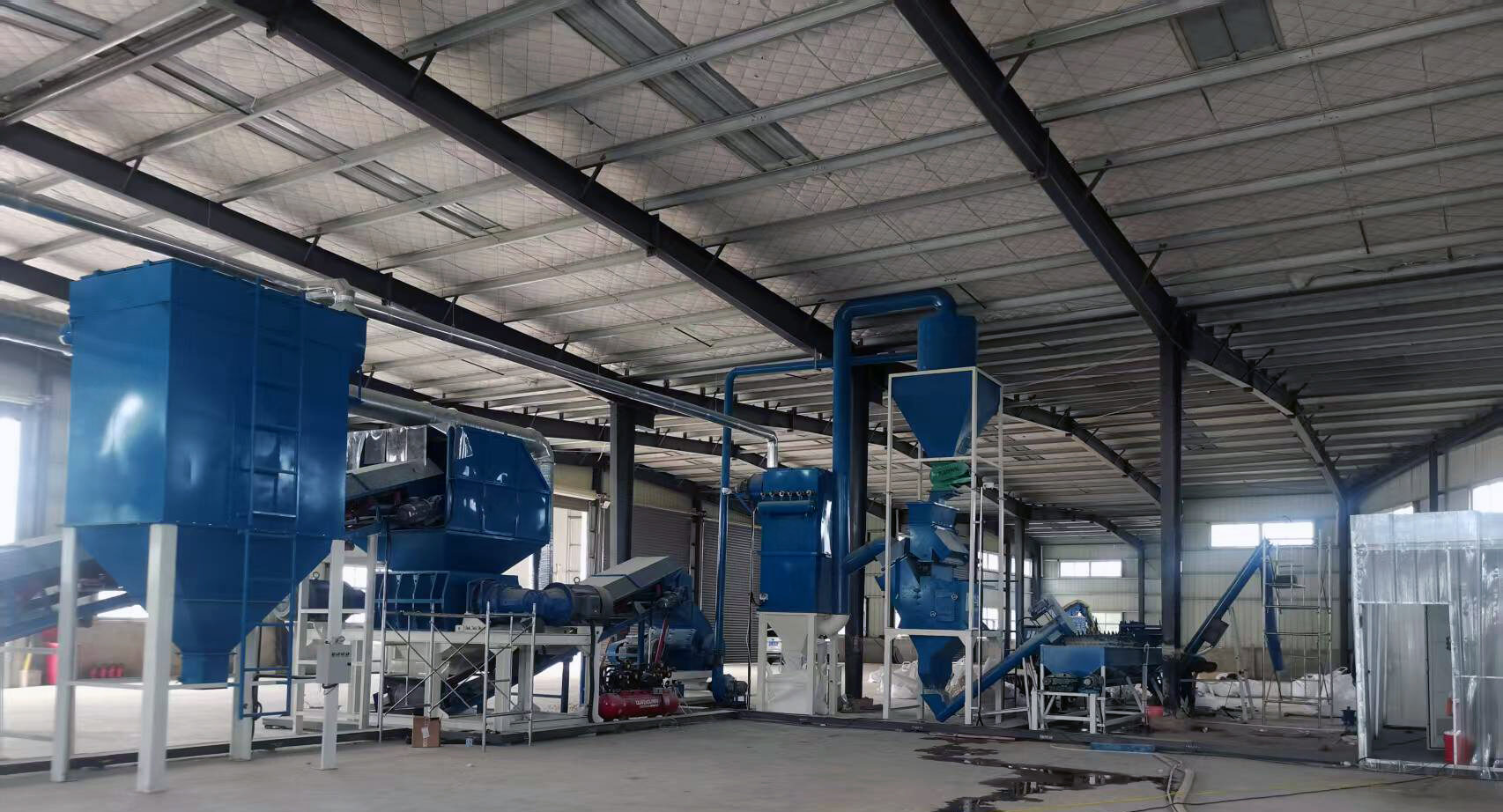
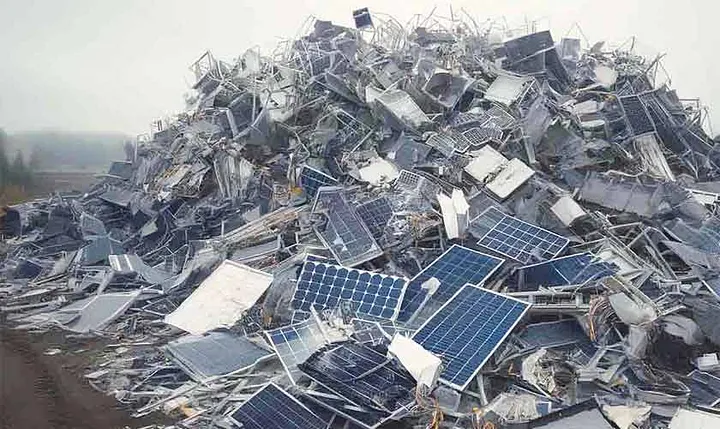
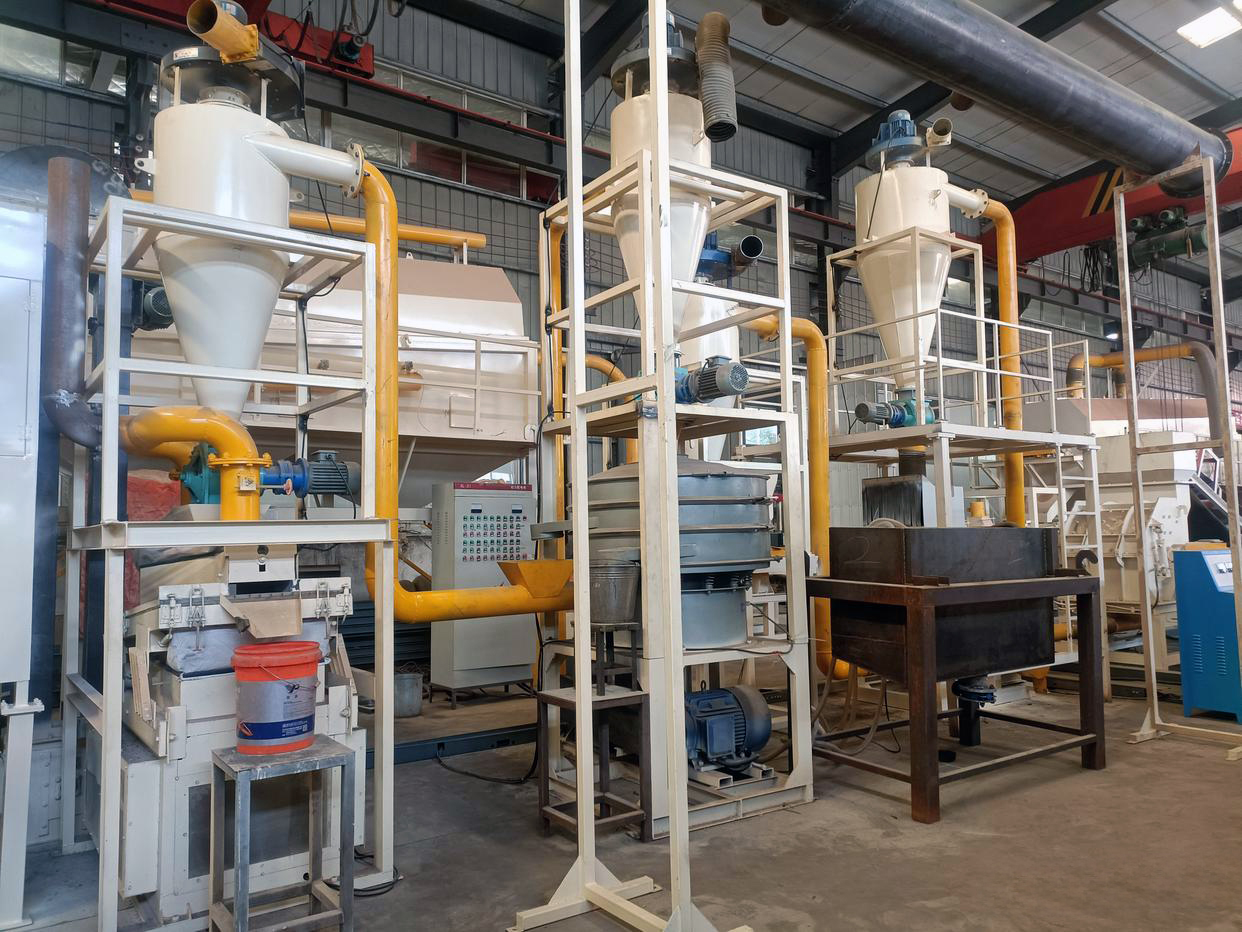
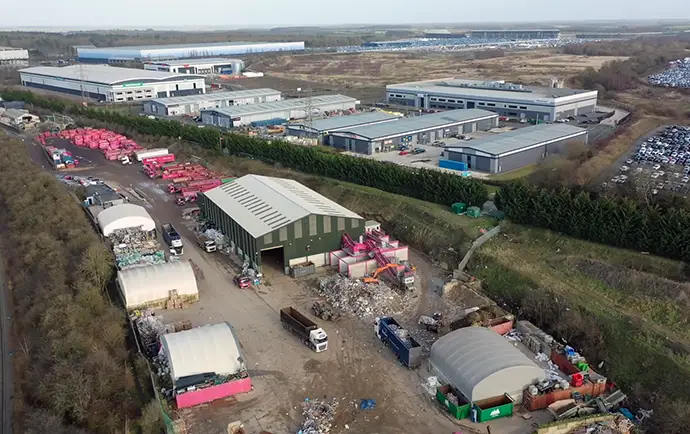
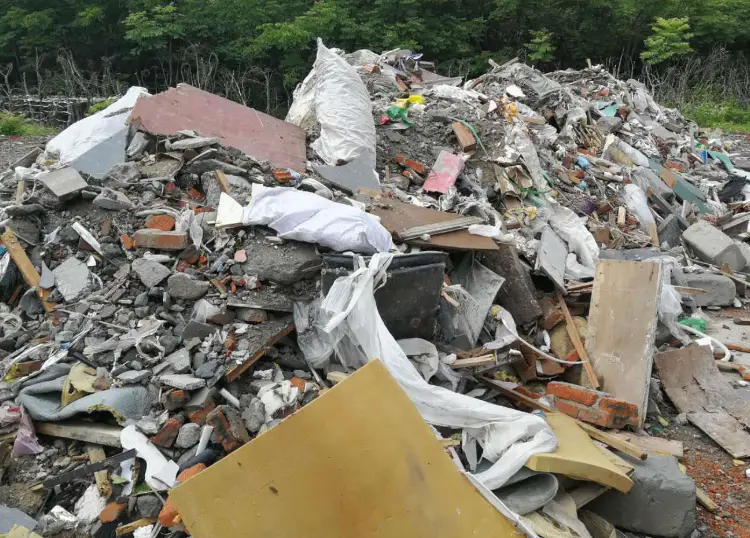
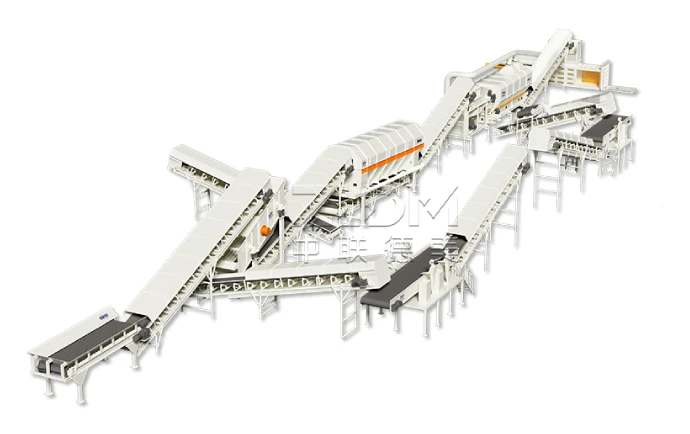
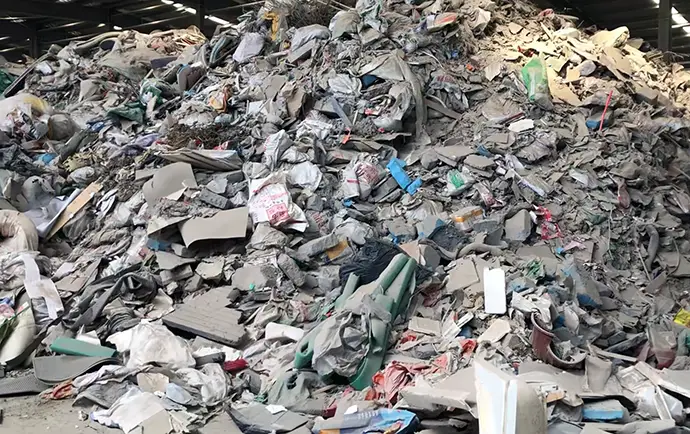
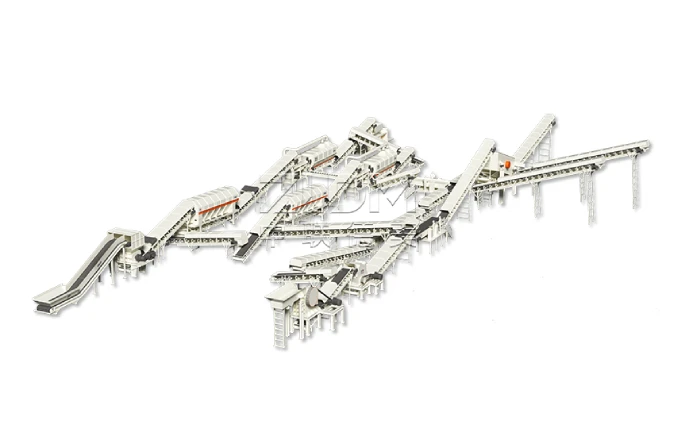
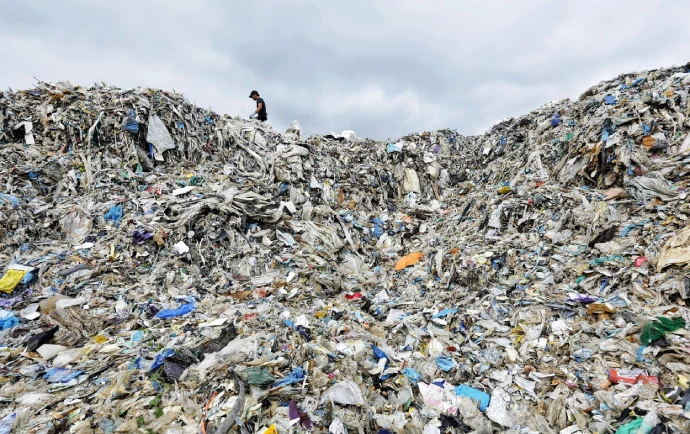
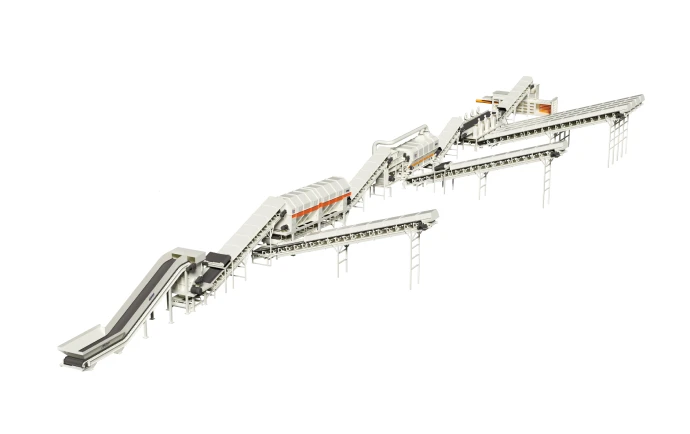
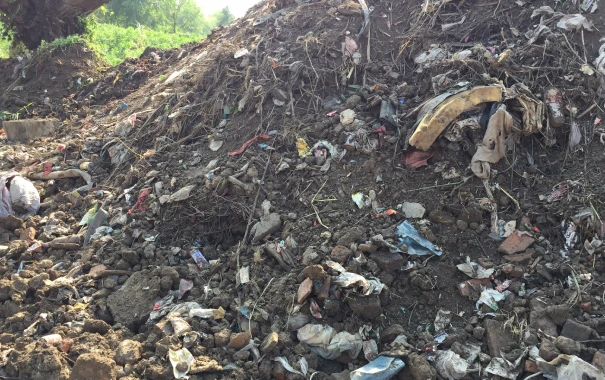
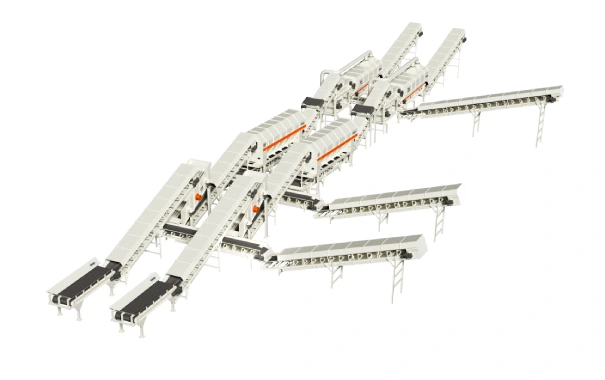
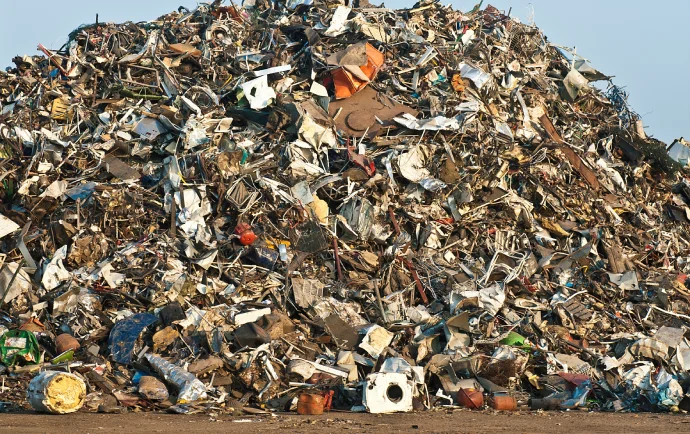
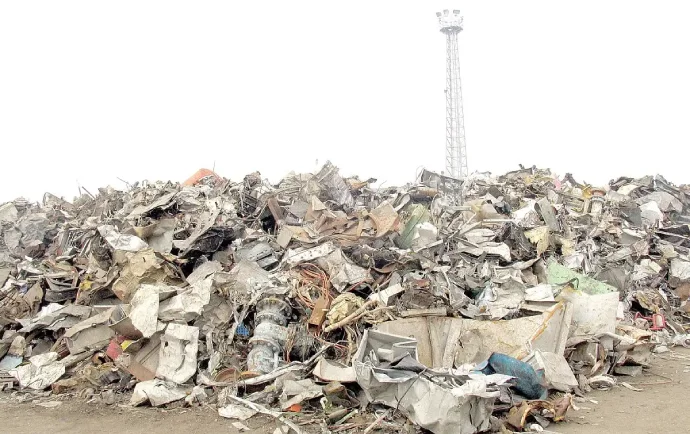
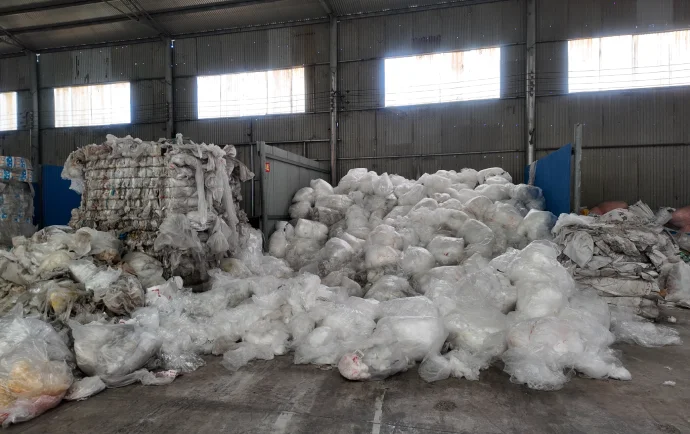
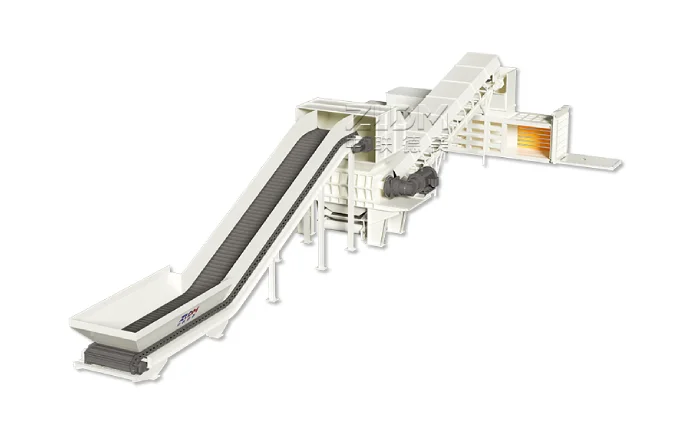
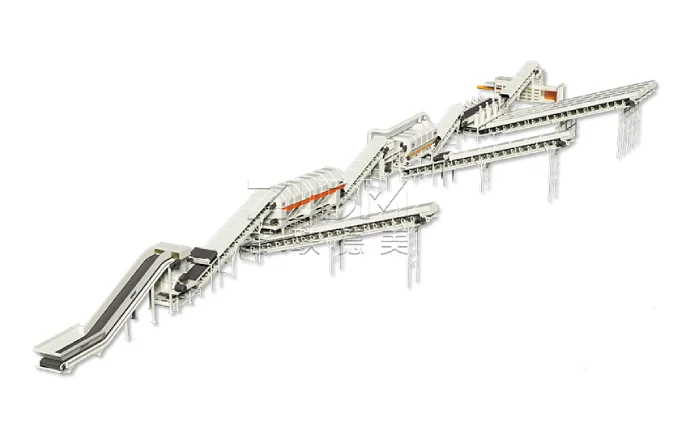
A large-scale solid waste treatment production line is an industrial system designed to process solid waste—such as construction debris, hazardous industrial waste, and municipal solid waste—through “reduction, harmless disposal, and resource recovery.” It is not merely a simple crushing process, but a complex engineering system that integrates mechanical, physical, and chemical processes with automated control.
Physical Sorting and Crushing (Suitable for Construction Waste and Bulky Waste)
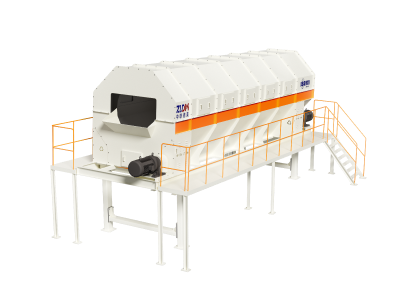
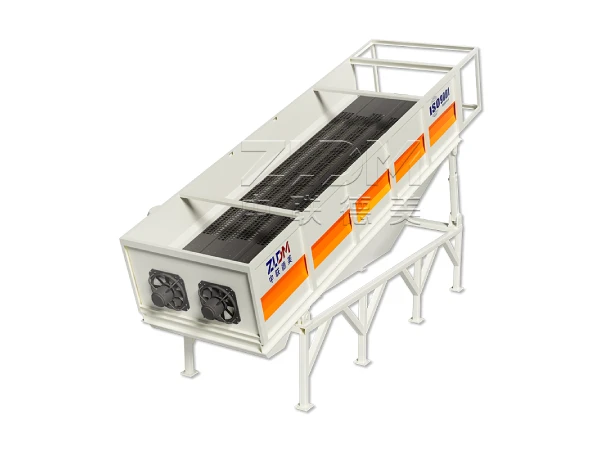
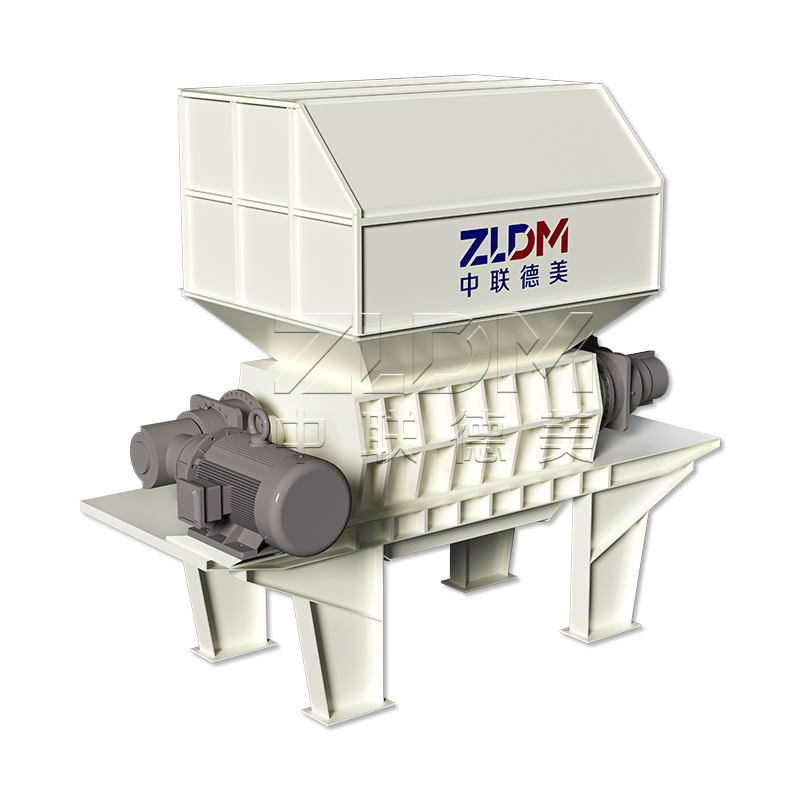
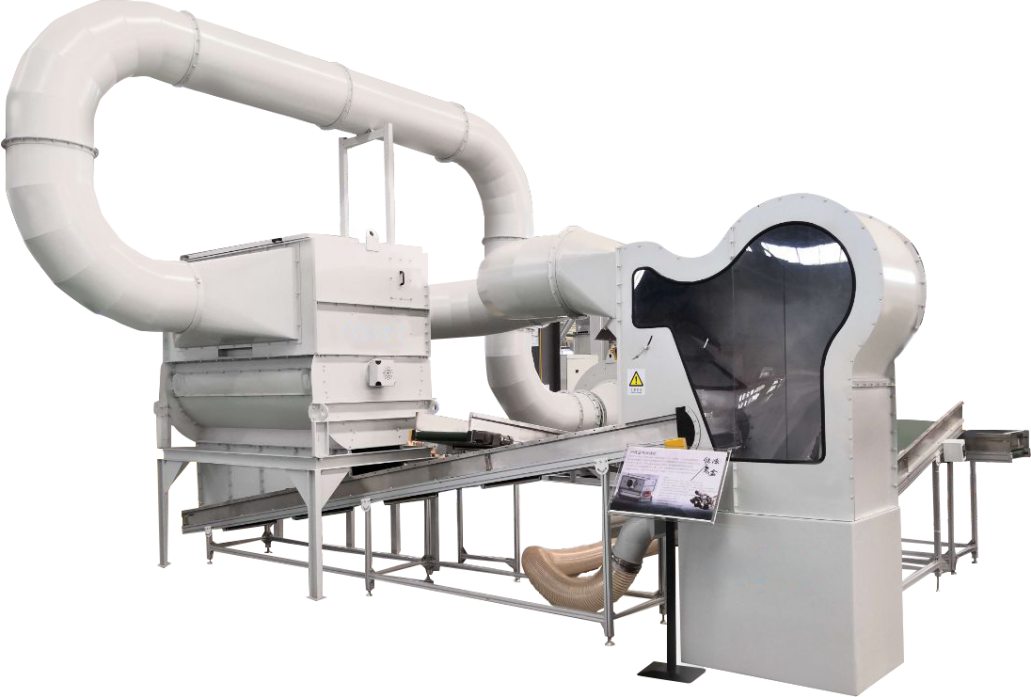
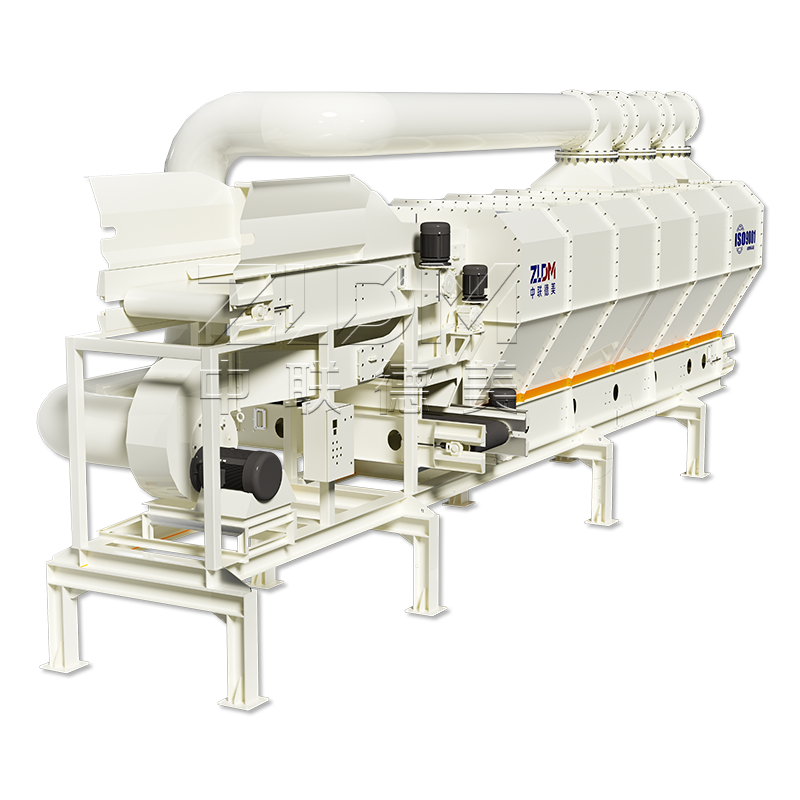
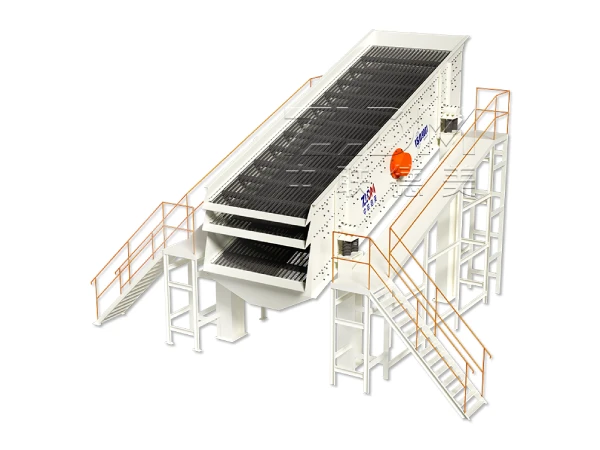
Waste is separated into different components through a process of “crushing + multi-stage sorting.” For example, after undergoing bag-breaking, screening, magnetic separation (to remove iron), and air classification (to separate light and heavy materials), construction and renovation waste can be processed into recycled aggregates, RDF fuel briquettes, and scrap metal. This type of production line emphasizes the comprehensive recovery of resources.
Thermochemical Treatment (Suitable for Organic Solid Waste, Hazardous Waste, and Waste Plastics)
This includes pyrolysis and incineration. Pyrolysis involves high-temperature heating in an oxygen-free environment to convert waste tires and plastics into fuel oil and carbon black; incineration involves high-temperature oxidation, utilizing the generated thermal energy for power generation or heating (e.g., cogeneration with coal-fired power plants). These technologies emphasize energy recovery and complete harmless disposal.
Biological Treatment (Suitable for yard waste and food waste)
Through microbial fermentation or anaerobic digestion, organic waste is converted into organic fertilizer or biogas. The core of the process lies in the control of feedstock blending and the fermentation system.
Request a Customized Solution
We will provide customers with a variety of comprehensive services, including installation and commissioning service, technical training, maintenance, etc.
GET IN TOUCH