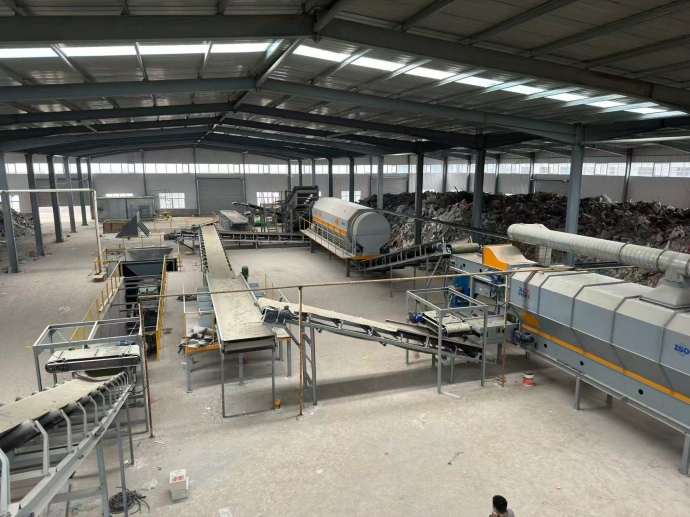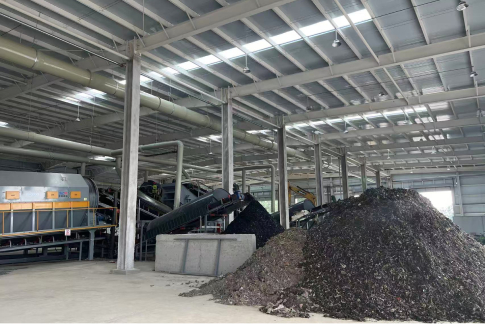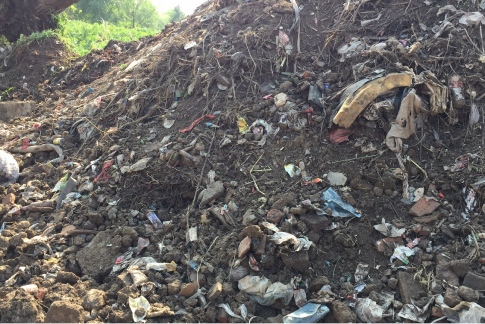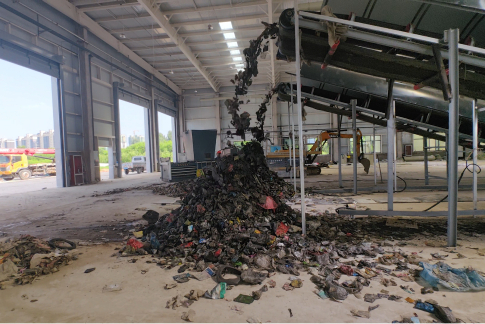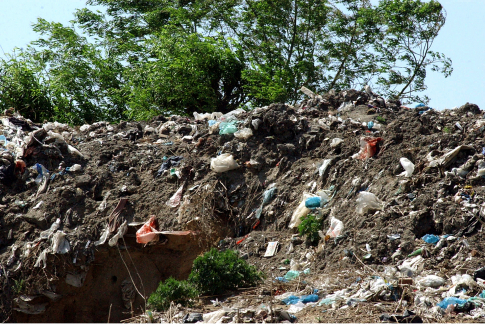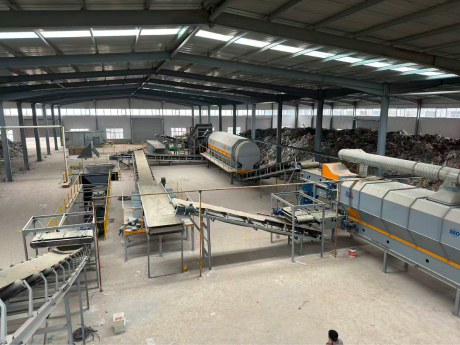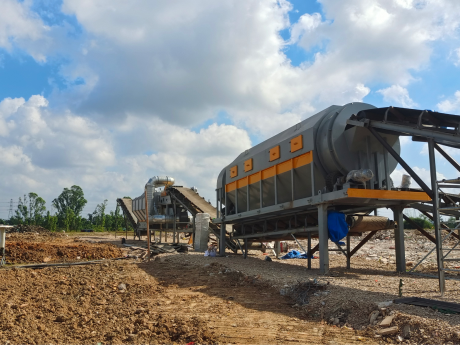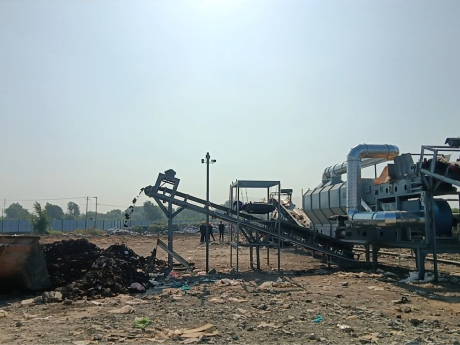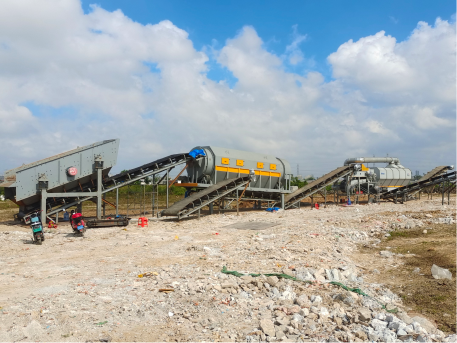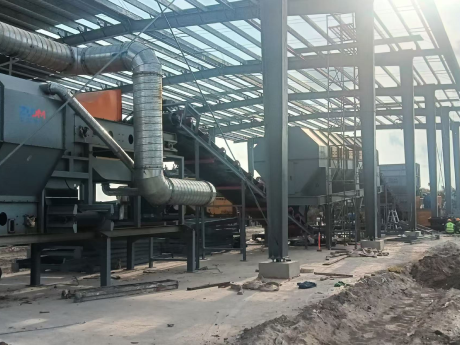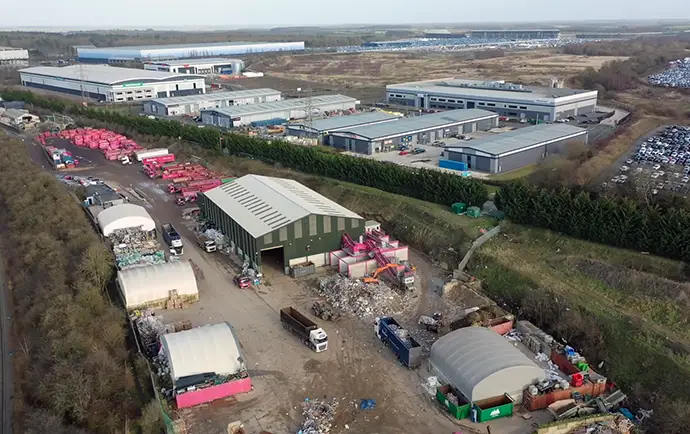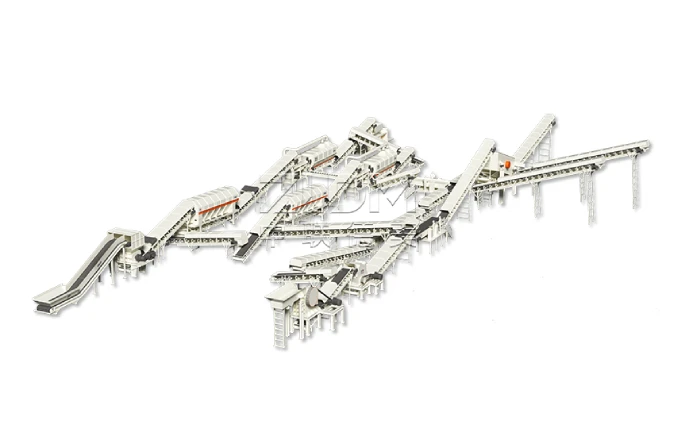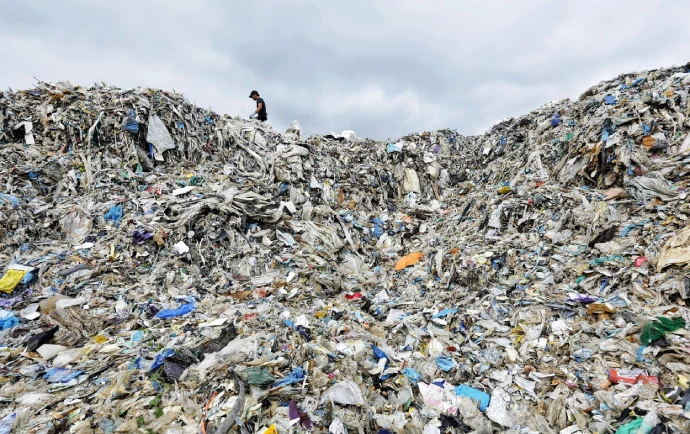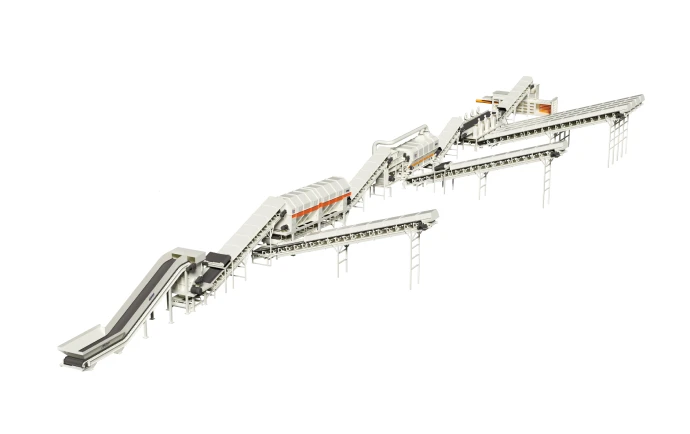
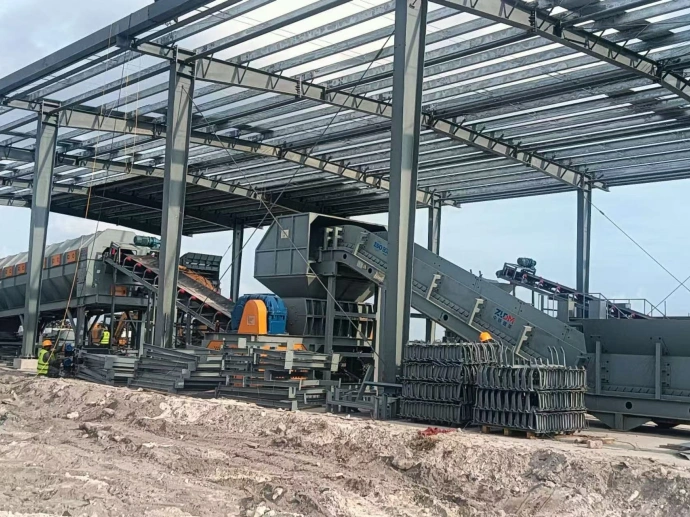
Landfill domestic waste screening treatment is a core pretreatment technology for aged waste in existing landfills or raw mixed domestic waste. Through the combined process of mechanical crushing + multi-stage screening + precise sorting, it realizes component separation according to particle size, specific gravity and material, providing stable raw materials for subsequent resource utilization and harmless disposal.
Core Process Flow 01
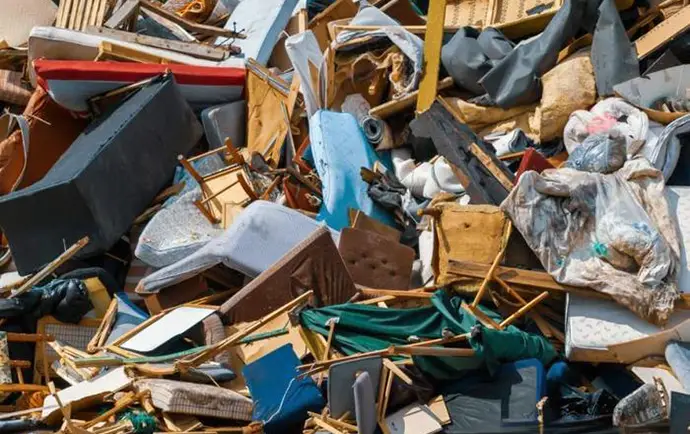
Waste is classified as bulky if it weighs over 5 kg, takes up more than 0.2 cubic meters of space or is longer than 1 meter. Such waste needs to be taken apart, reused and disposed of. Large items like old furniture, abandoned mattresses, sofas and garden trimmings are hard to collect and transport due to their bulky shape.
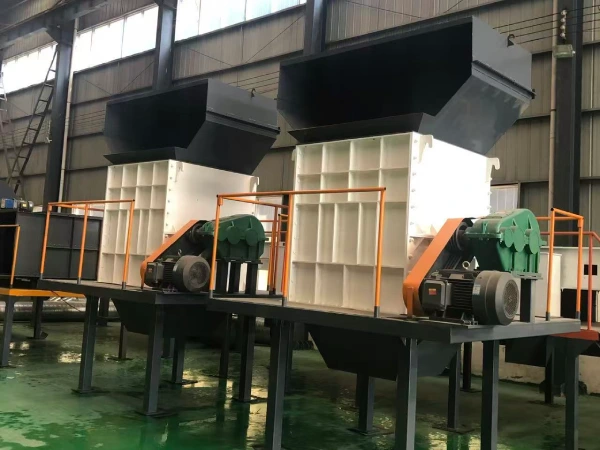
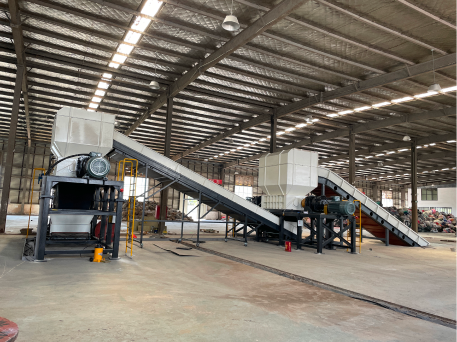
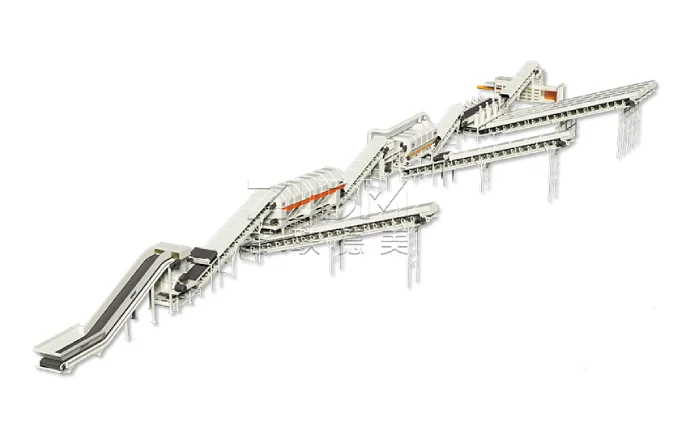
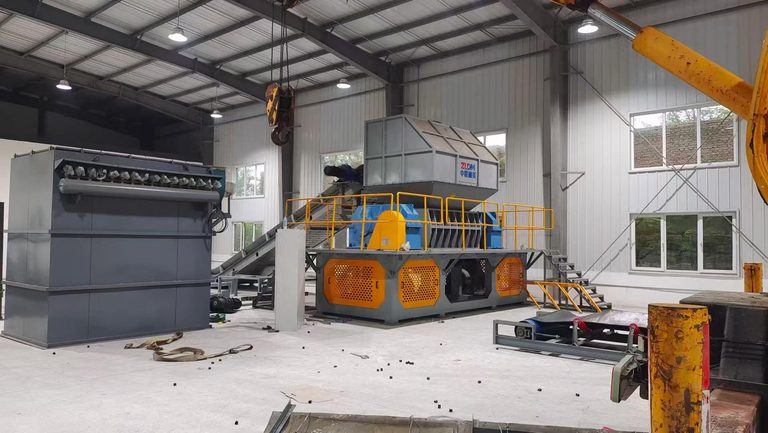
Bulky waste makes up 3%–5% of MSW. Given the difficulties in storage and transportation, a waste crushing system was created to process bulky waste. It is primarily equipped with heavy-duty slat chain conveyors, twin-shaft crushers, magnetic separators, dust removal systems and an intelligent control system.
Mobile Shredding Line
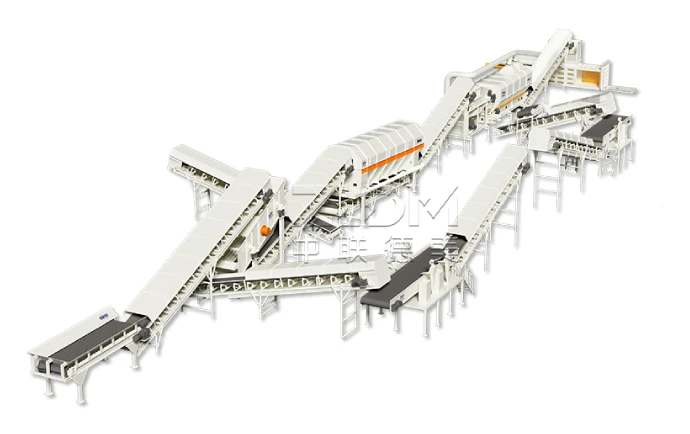
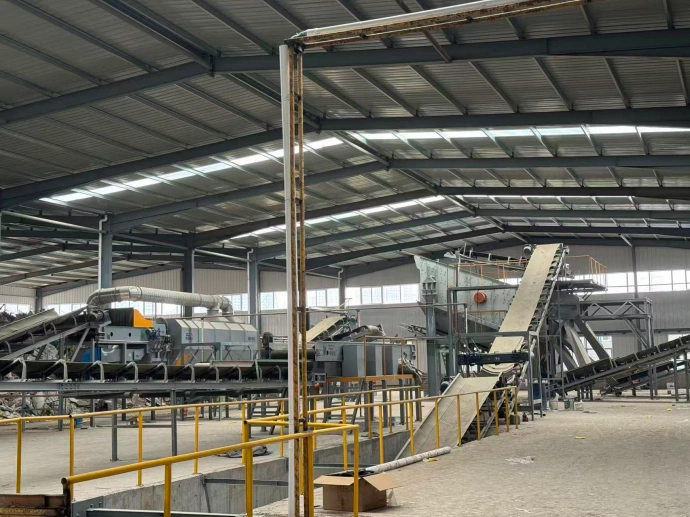
Mixed Waste Recycling Plant
Core Process Flow 02
Excavation and Pretreatment
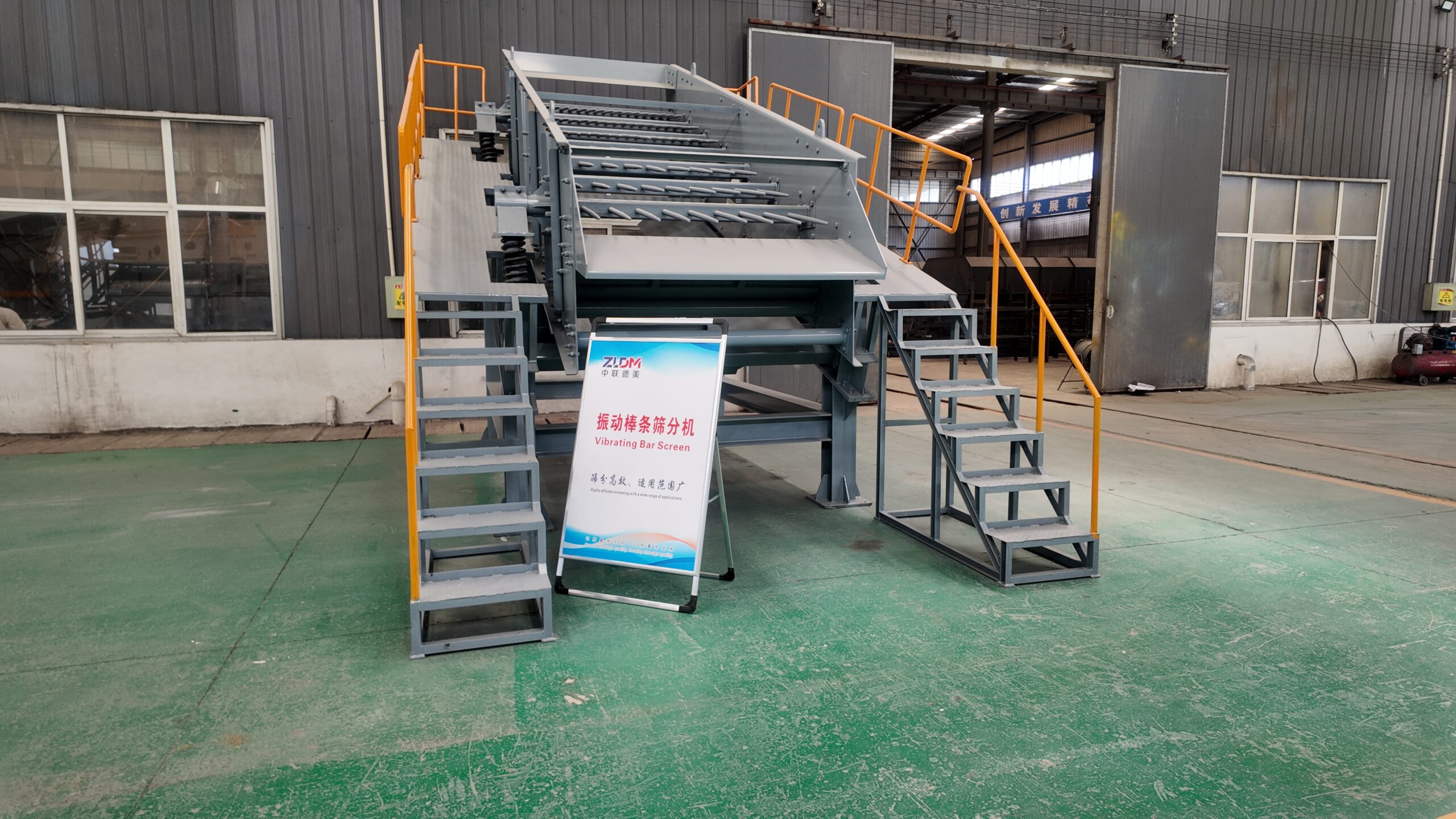
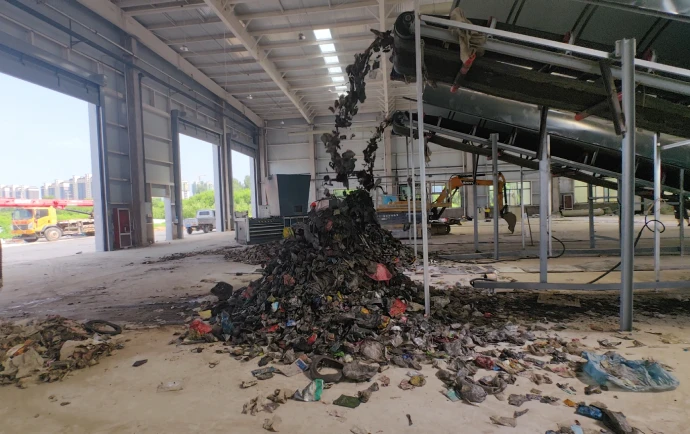
Waste excavation and homogenized feeding. Large debris is removed via a bar screen, and agglomerated materials are crushed and loosened to ensure continuous feeding.
Multi-stage Screening and Classification
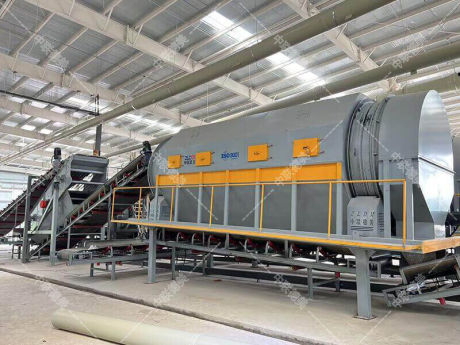
Using trommel screens, star disc screens, bounce screens and other equipment, waste is divided into fine humus soil, medium combustibles and coarse inert aggregates by particle size.
Precise Sorting and Purification
Magnetic separation to recover ferrous metals, eddy current separation to separate non-ferrous metals, air separation to purify light combustibles, and specific gravity separation to refine humus soil.
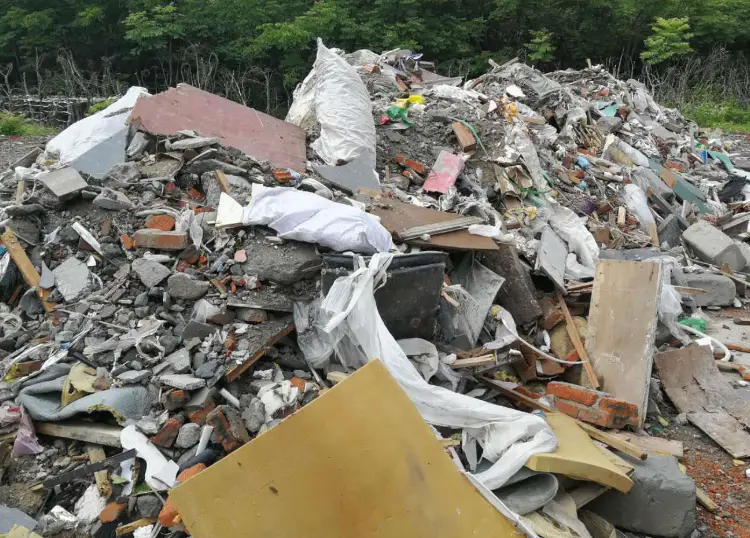
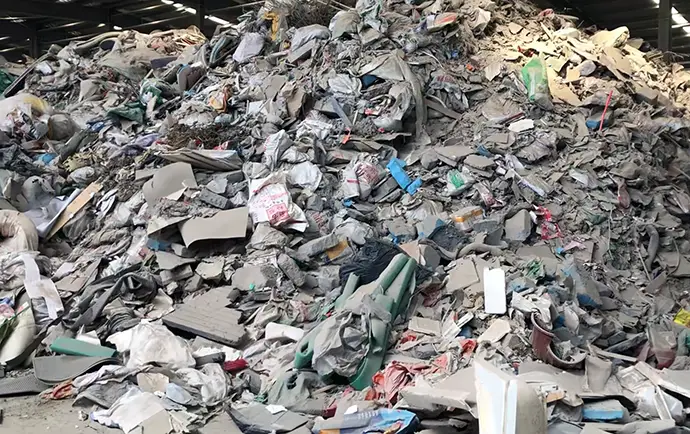
Before & After Processing
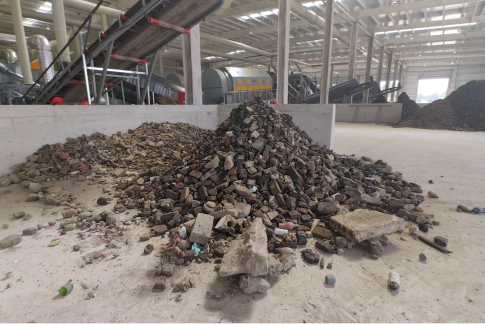
Construction & Demolition Waste
Before
Recycled Aggregate
After
Project Value
Waste is classified as bulky if it weighs over 5 kg, takes up more than 0.2 cubic meters of space or is longer than 1 meter. Such waste needs to be taken apart, reused and disposed of. Large items like old furniture, abandoned mattresses, sofas and garden trimmings are hard to collect and transport due to their bulky shape.
Solve the problem of waste siege and improve the level of urban environmental governance
Realize reduction, harmlessness and resource utilization, and create circular economy value
Compliant construction and stable operation to reduce environmental risks for enterprises and local governments
Help reduce carbon emissions and conform to the goals of green development and carbon peaking and carbon neutrality
Full-professional design including process design, general layout, architecture, structure, electrical, automatic control and environmental protection supporting facilities
Equipment Procurement
Centralized procurement and integration of core disposal equipment, conveying systems, environmental protection and purification equipment, and intelligent control systems
Joint commissioning, performance acceptance, completion acceptance and filing
Operation and Maintenance Support
Personnel training, technical support, after-sales maintenance and long-term operation hosting
Request a Customized Solution
We will provide customers with a variety of comprehensive services, including installation and commissioning service, technical training, maintenance, etc.
Used for backfilling and greening soil covering after meeting standards
Inert aggregates
Used for manufacturing environmentally friendly bricks and subgrade materials
Light combustibles
Incinerated for power generation
Metals/plastics
Recycled and regenerated
A small amount of residue
Landfilled in accordance with regulations
Core Advantages of the Screening Treatment Scheme
Significant volume reduction and land resource release 60%–80% of recyclable components can be separated, greatly reducing the volume of raw landfilled waste and existing waste, quickly vacating landfill sites, extending the service life of landfills or realizing site redevelopment.
High resource recovery rate and outstanding economic benefits The metal recovery rate can reach over 90%. The purity of combustibles such as plastics and paper is improved, and aggregates and humus soil can be directly recycled. The added value per ton of waste is significantly increased, reducing terminal disposal costs.
Thorough harmless treatment and controlled environmental risks Fully enclosed operation with dust removal and deodorization effectively controls leachate, odor and dust. Separating perishable organic matter and harmful components blocks soil and groundwater pollution and reduces potential safety hazards of landfill gas.
Strong adaptability, stable and efficient operation Modular equipment can flexibly match a daily treatment scale of 50–500 tons. Optimally designed for humid, agglomerated and complex landfill waste, it avoids shaft winding and material blockage, with a high continuous operation rate.
Collaborative disposal and reduced whole-chain costs Provides homogeneous raw materials for incineration, composting and building material utilization, reduces main equipment wear, cuts energy consumption by 15%–20%, and lowers costs by approximately two-thirds compared with manual sorting.
Strong compliance and in line with policy guidelines Conforms to the requirements of “reduction, resource utilization and harmlessness”, meets policy standards for landfill remediation, existing waste treatment and waste-free city construction, facilitating project acceptance and environmental impact assessment approval.
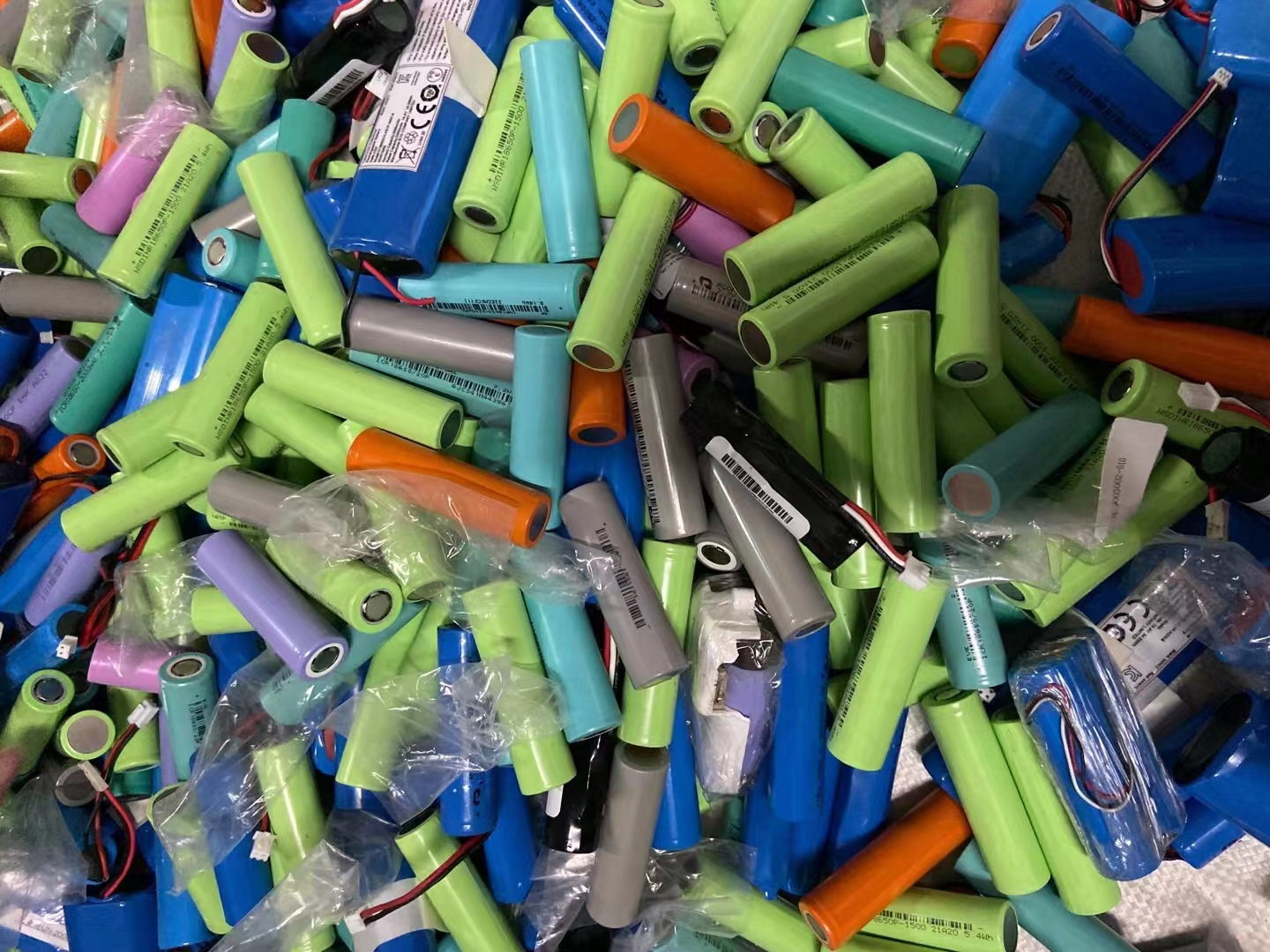
Research on the recycling of used lithium-ion batteries primarily focuses on recovering high-value precious metals—specifically cobalt and lithium—from the cathode. Lithium-ion battery recycling production lines are suitable for the disassembly and recycling of pouch batteries, cell phone batteries, casing batteries, and cylindrical batteries. The final products include graphite powder, lithium aluminum cobalt oxide, and copper.
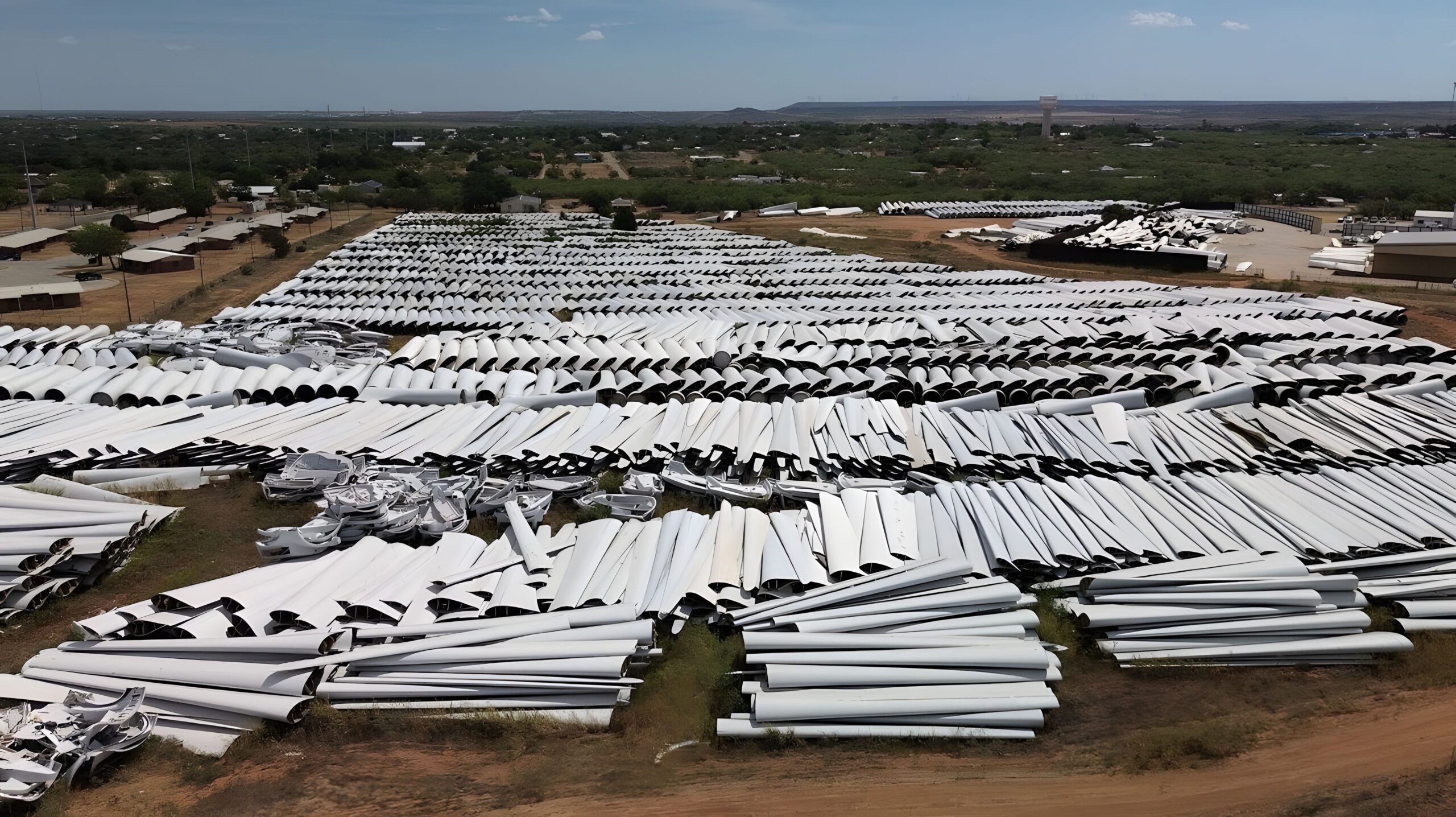
Decommissioned wind turbine blades are cut into large pieces, fed into a coarse crusher via a chain conveyor, then processed through magnetic separation, fine crushing, and sorting to produce fibers and small pieces, and finally ground into powder by a grinding system.
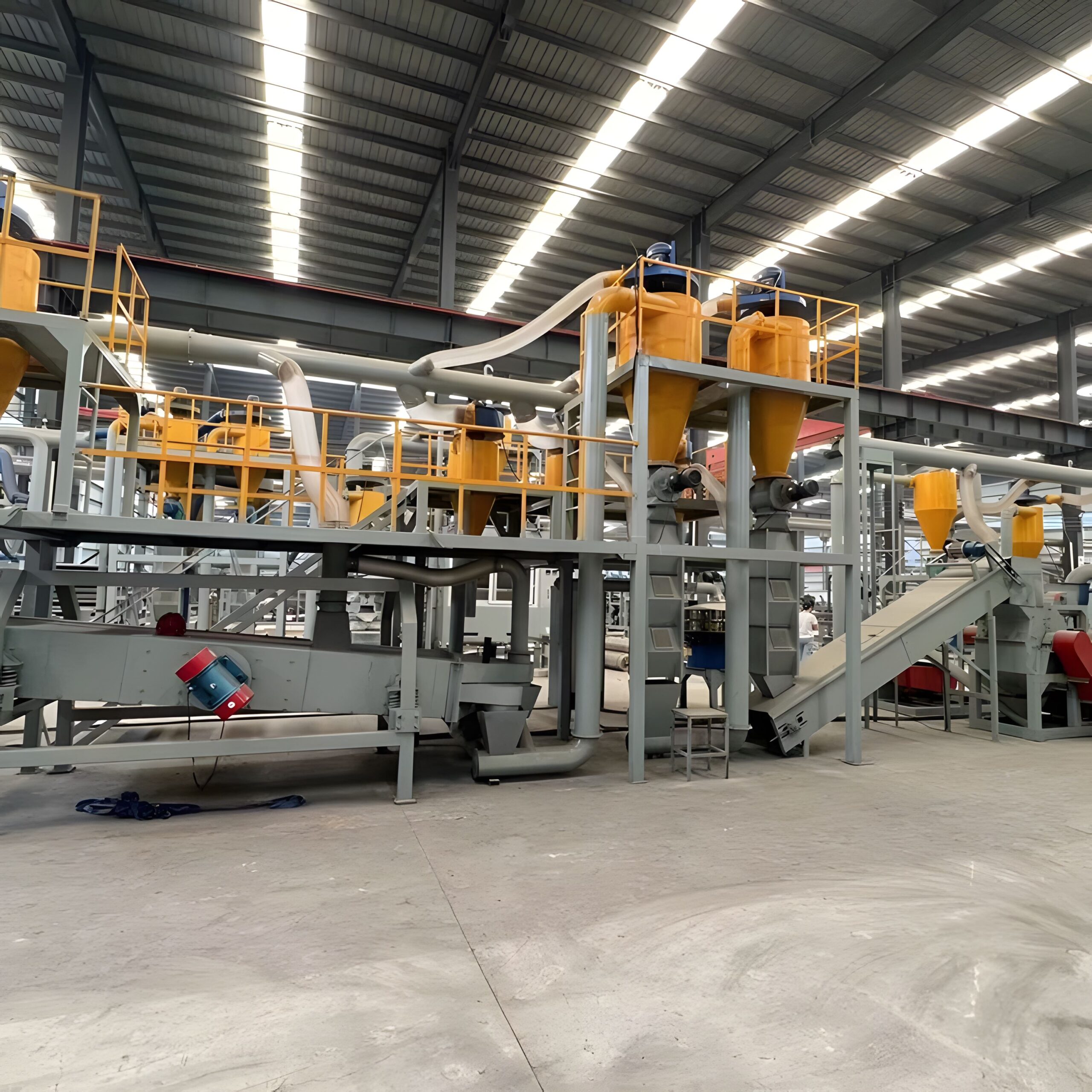
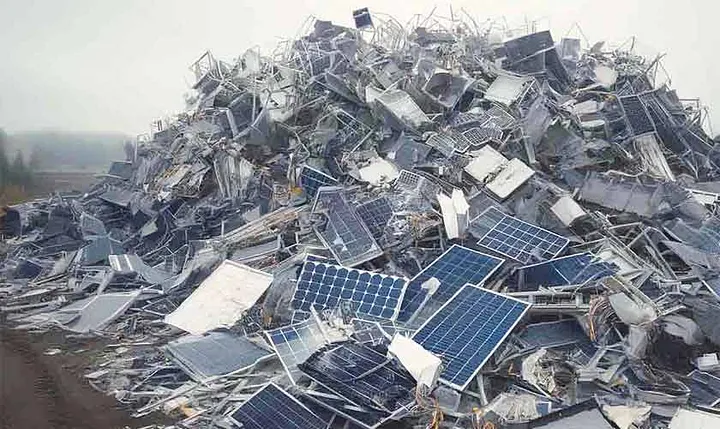
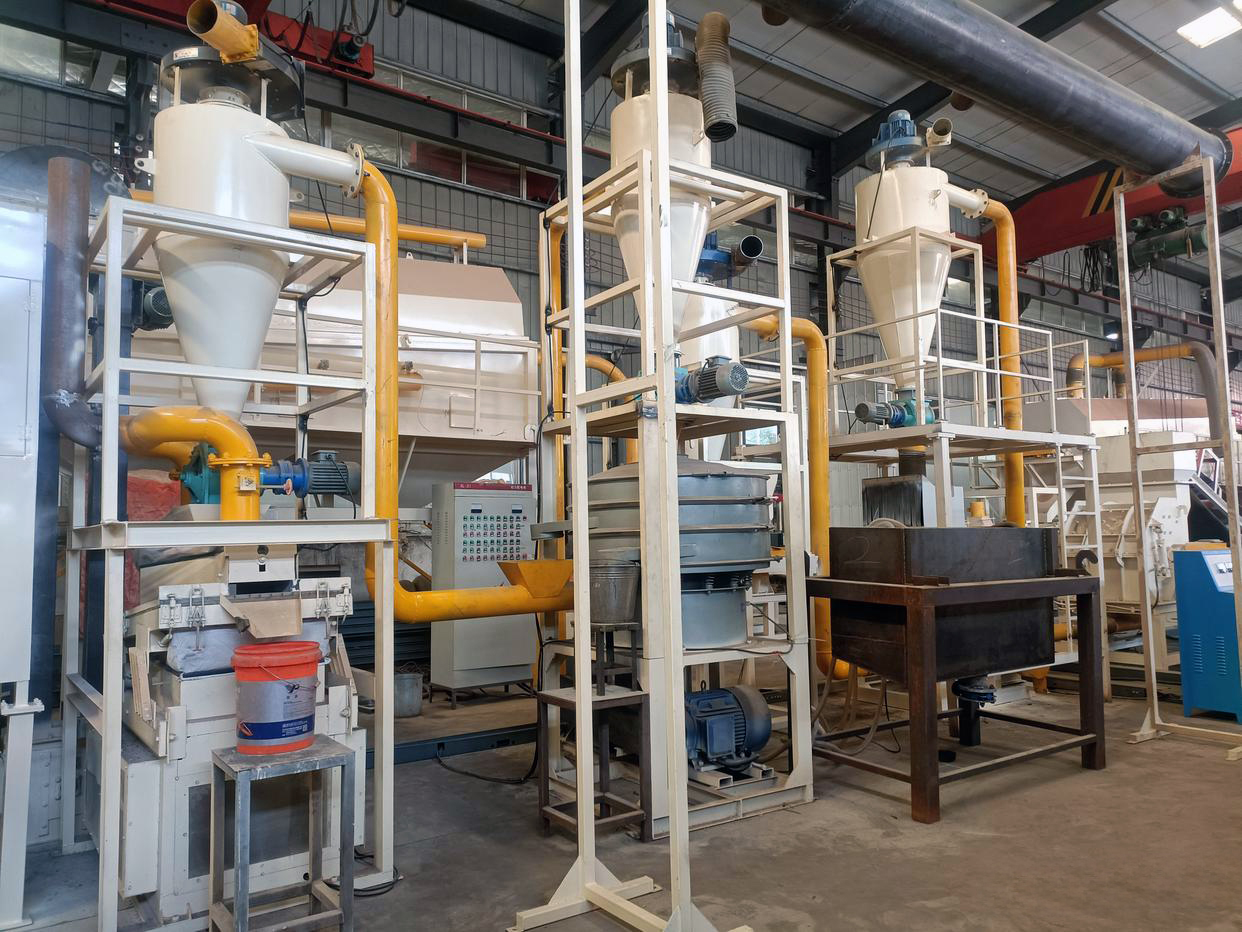
Equipment for recycling waste solar panels uses physical crushing and sorting to extract silicon powder, copper powder, and plastic, all of which have high market value.
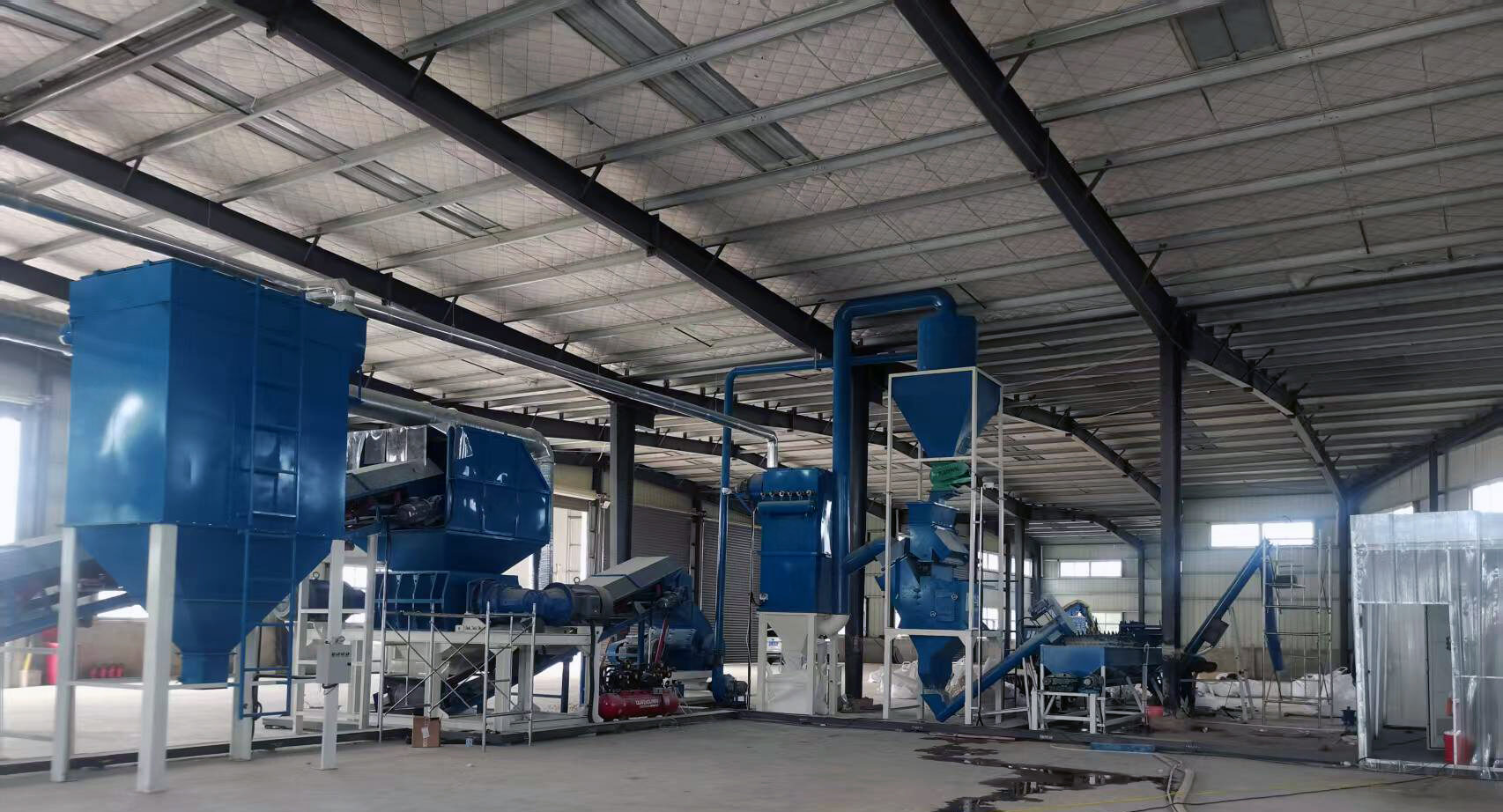
A large-scale solid waste treatment production line is an industrial system designed to process solid waste—such as construction debris, hazardous industrial waste, and municipal solid waste—through “reduction, harmless disposal, and resource recovery.”
We specialize in the EPC general contracting of solid waste treatment plants, providing safe, efficient and compliant one-stop solutions for urban and industrial solid waste disposal through integrated full-process services including design, procurement, construction, commissioning and operation and maintenance
Implement the concept of first sorting andre-sorting, through a variety of screening andsorting equipment reasonable collocation, fast andaccurate sorting of materials, good sorting effect,high resource recovery rate.
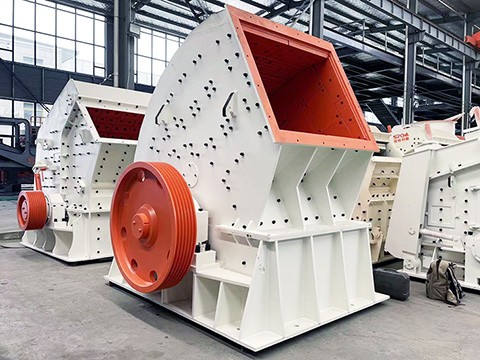
The demolition waste (construction and demolition waste) sorting equipment production line is an industrial system designed to convert mixed building demolition waste into clean recycled aggregates and recyclable resources. It primarily employs a “crushing and separation + multi-stage sorting” process to address the challenges posed by the complex composition of demolition waste, which contains large amounts of rebar and lightweight materials.
Screening treatment of domestic waste serves as the core pretreatment link for the resource utilization, reduction, and harmless disposal of waste. Relying on mechanical screening technology, mixed waste is accurately classified and separated according to differences in particle size, density, and morphology, laying a foundation for subsequent targeted disposal.
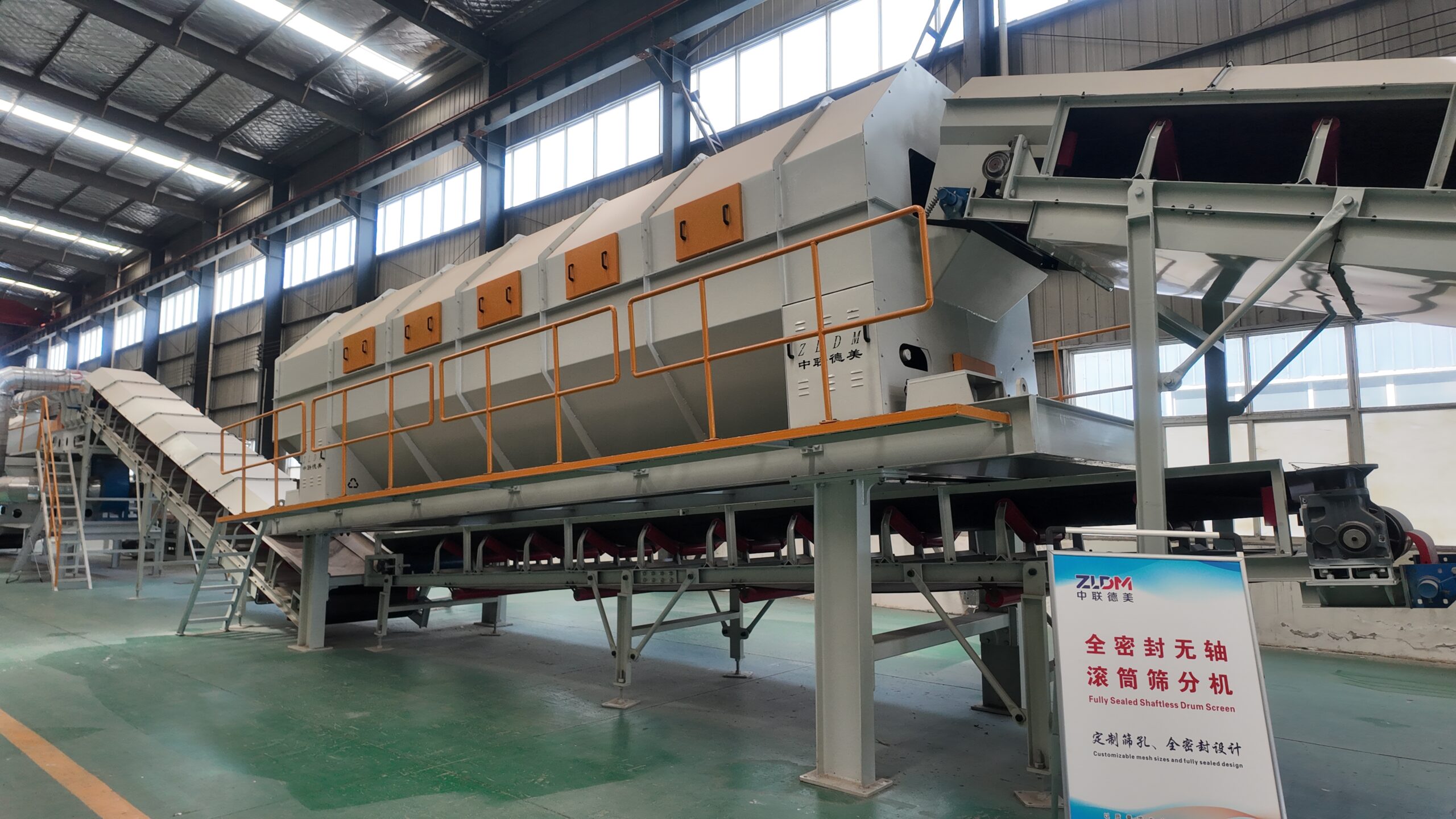
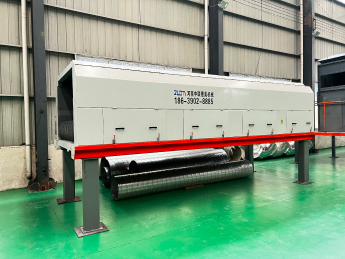
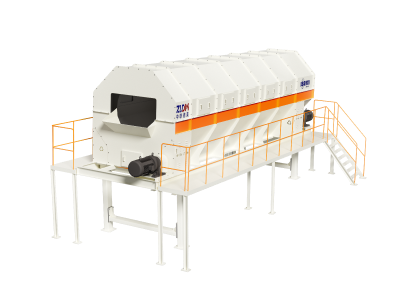
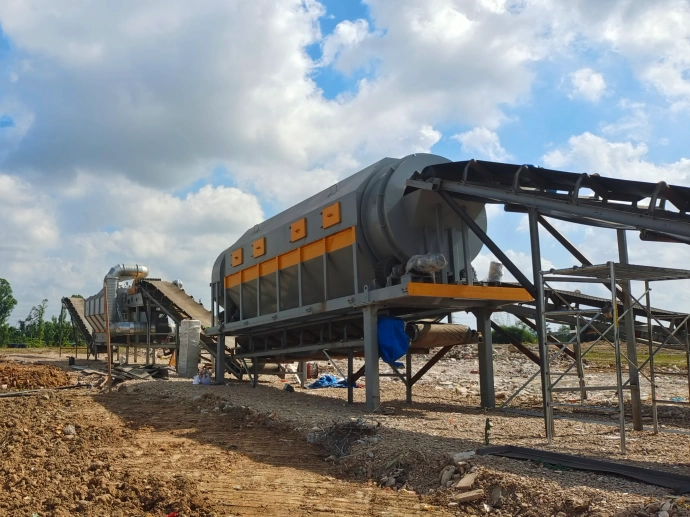
The drum screen can be used for construction waste, domestic waste, stale waste, construction waste, etc. The drum screen is a screening equipment that classifies materials based on their particle size.
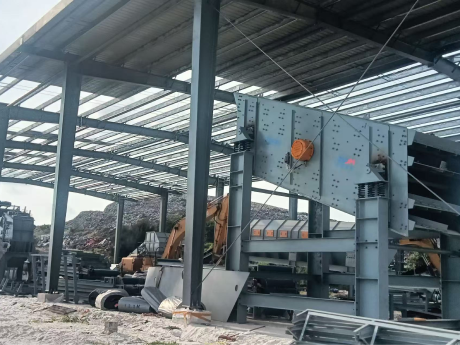
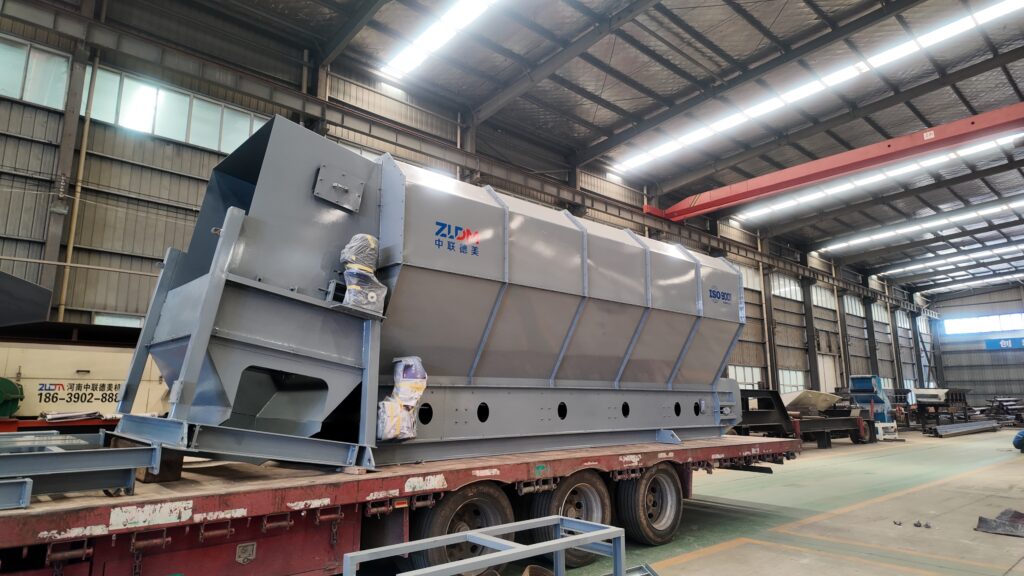
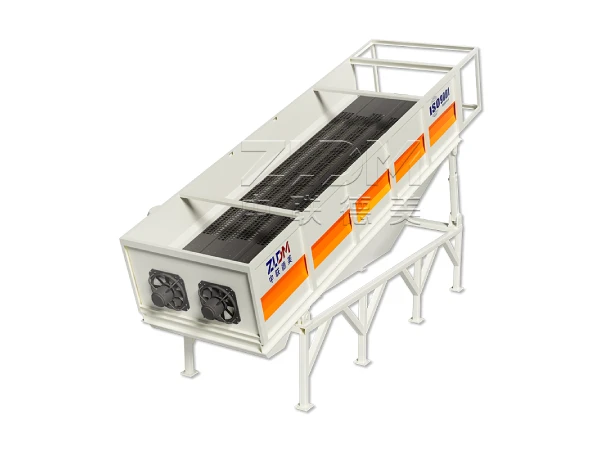
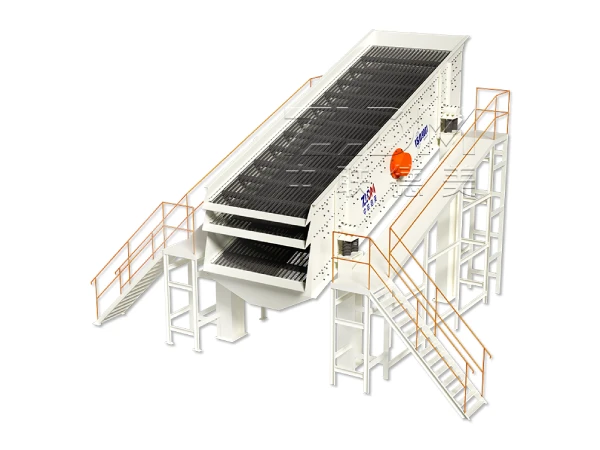
The bouncing screen is a device that sorts materials based on the size, density, and shape of different components in the sorted materials. It is ideal equipment for handling and sorting domestic waste, old waste, construction waste, decoration waste, and other types of garbage.
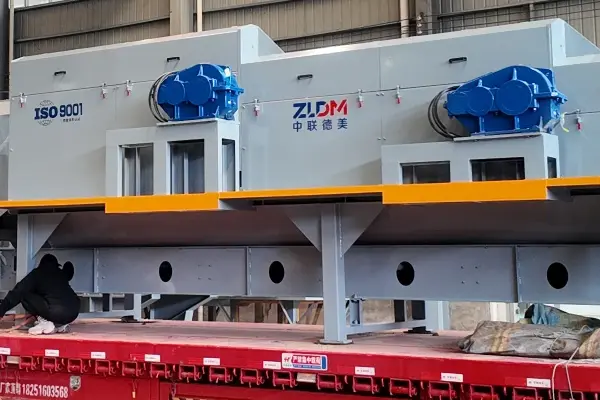
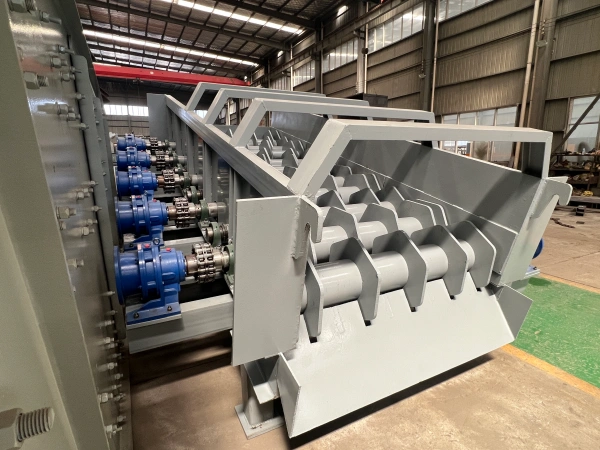
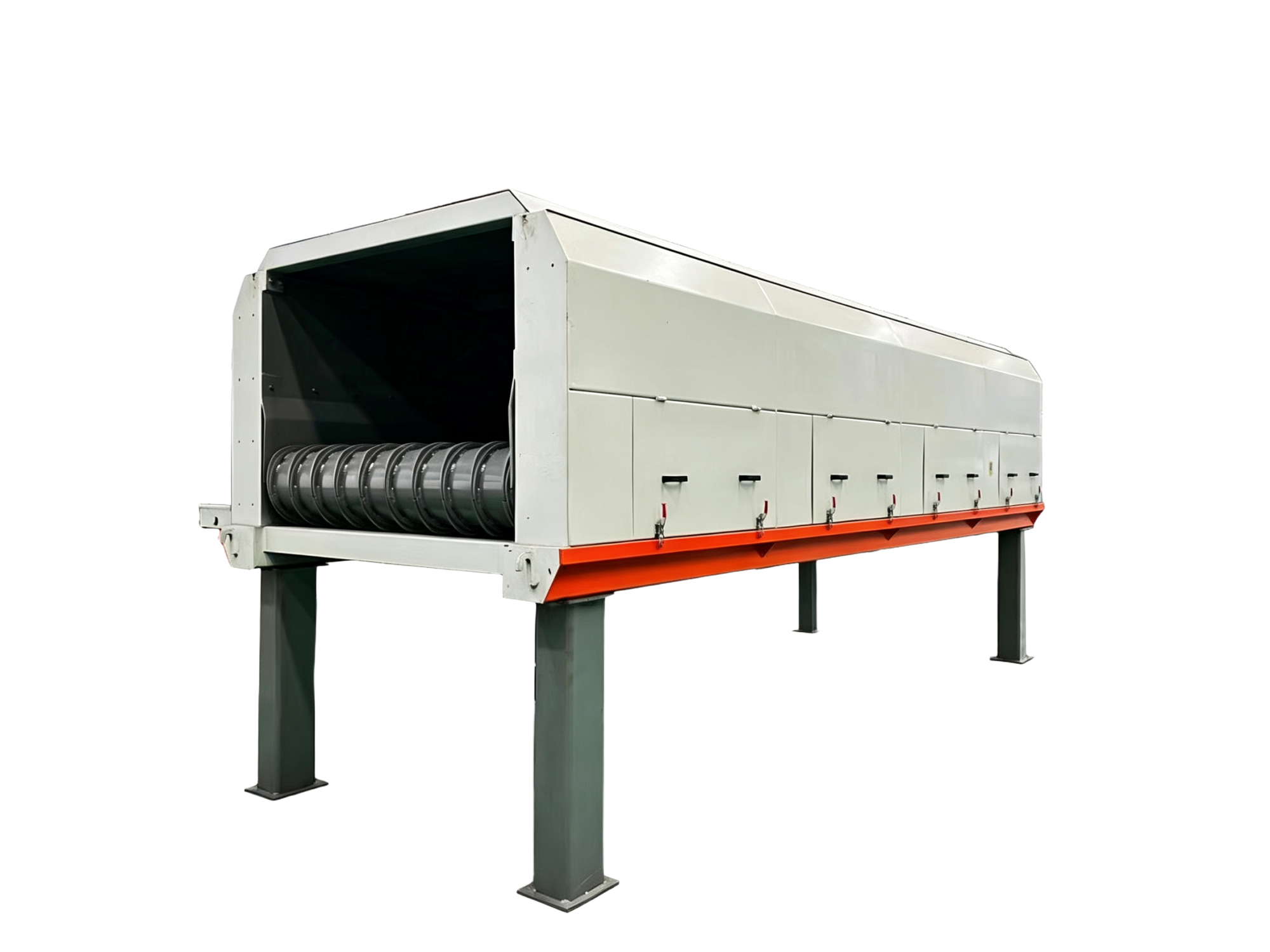
Disc screen (Disc Screen / Disc Sieve), often called a “disc sieve” or “disc separator,” is a device that performs screening using disc-shaped plates arranged in an interleaved pattern on multiple parallel shafts. It is especially effective for handling sticky, wet, easily tangled, or bulky mixed solid waste, and is a core sorting appliance in solid waste treatment and resource recovery.
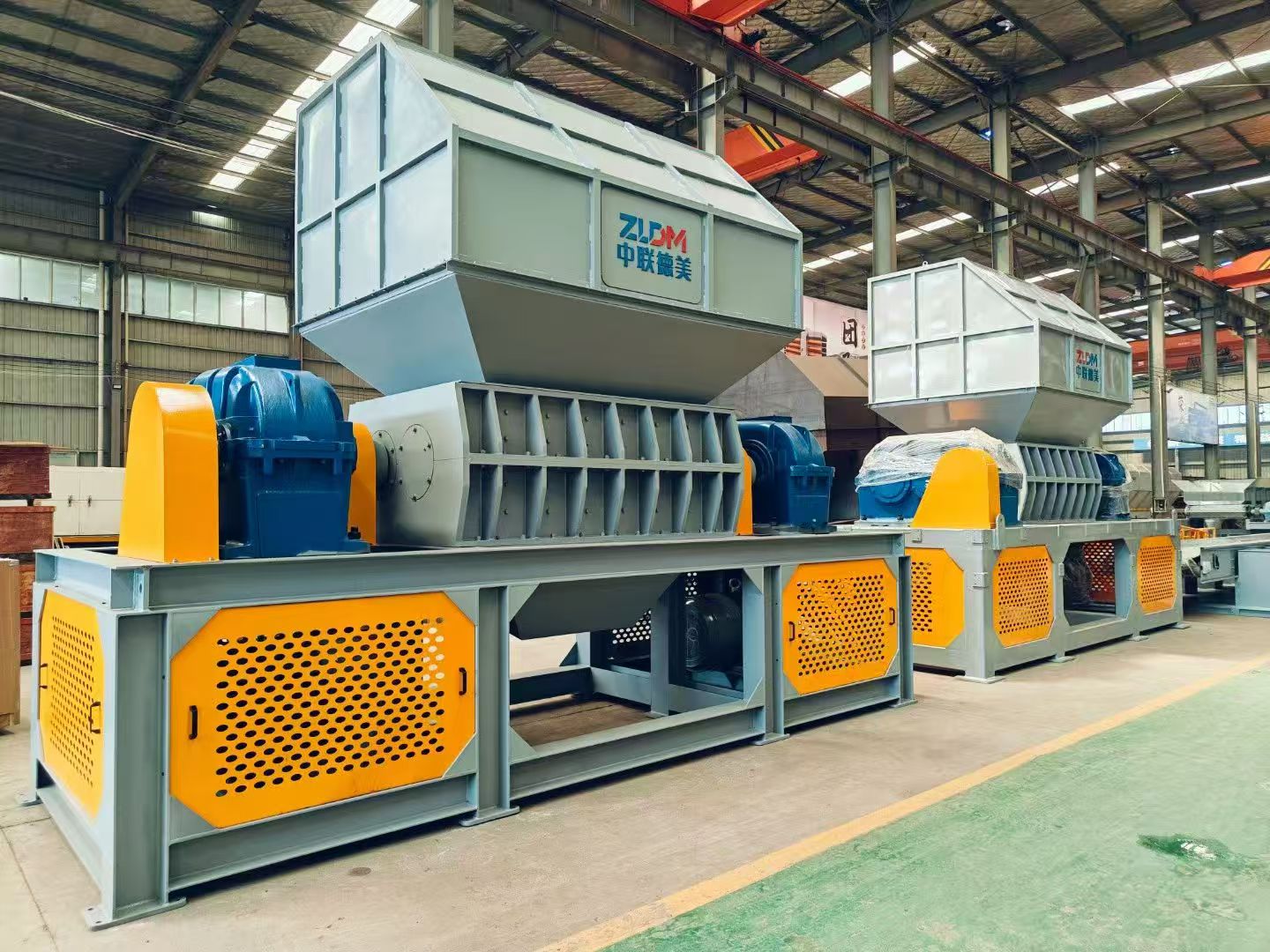
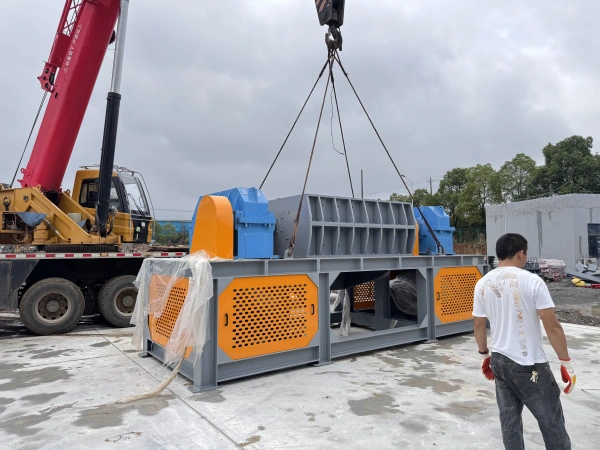
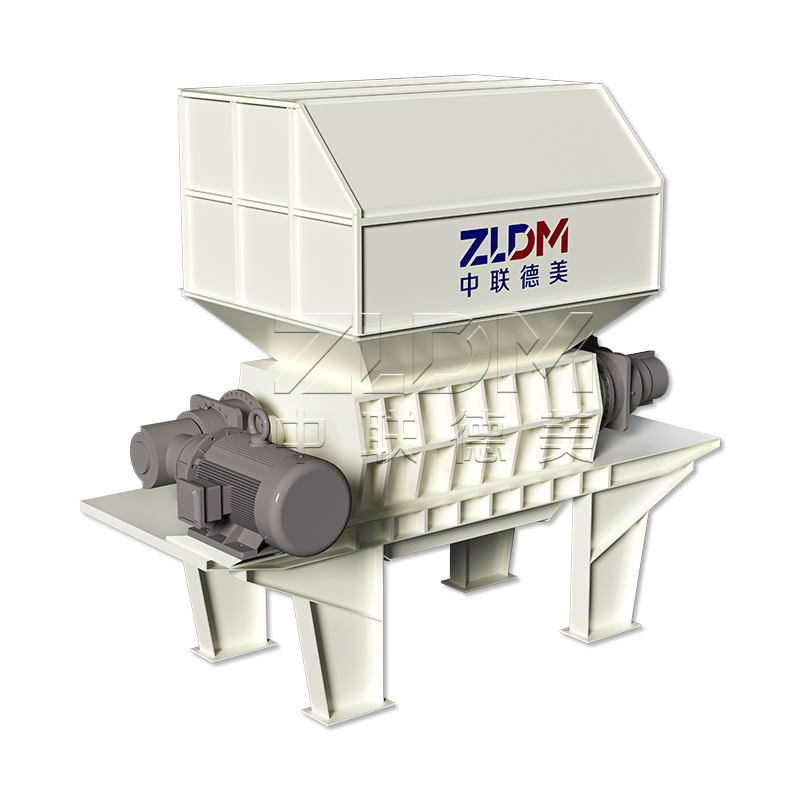
The shredder adopts dual-shaft independent drive, which generates corresponding compression on materials during production to achieve automatic feeding function. With a unique cutter shaft structure and four-corner rotating cutters, it will not experience shaft winding or equipment jamming during low-speed and high-torque operation, thus improving production efficiency.
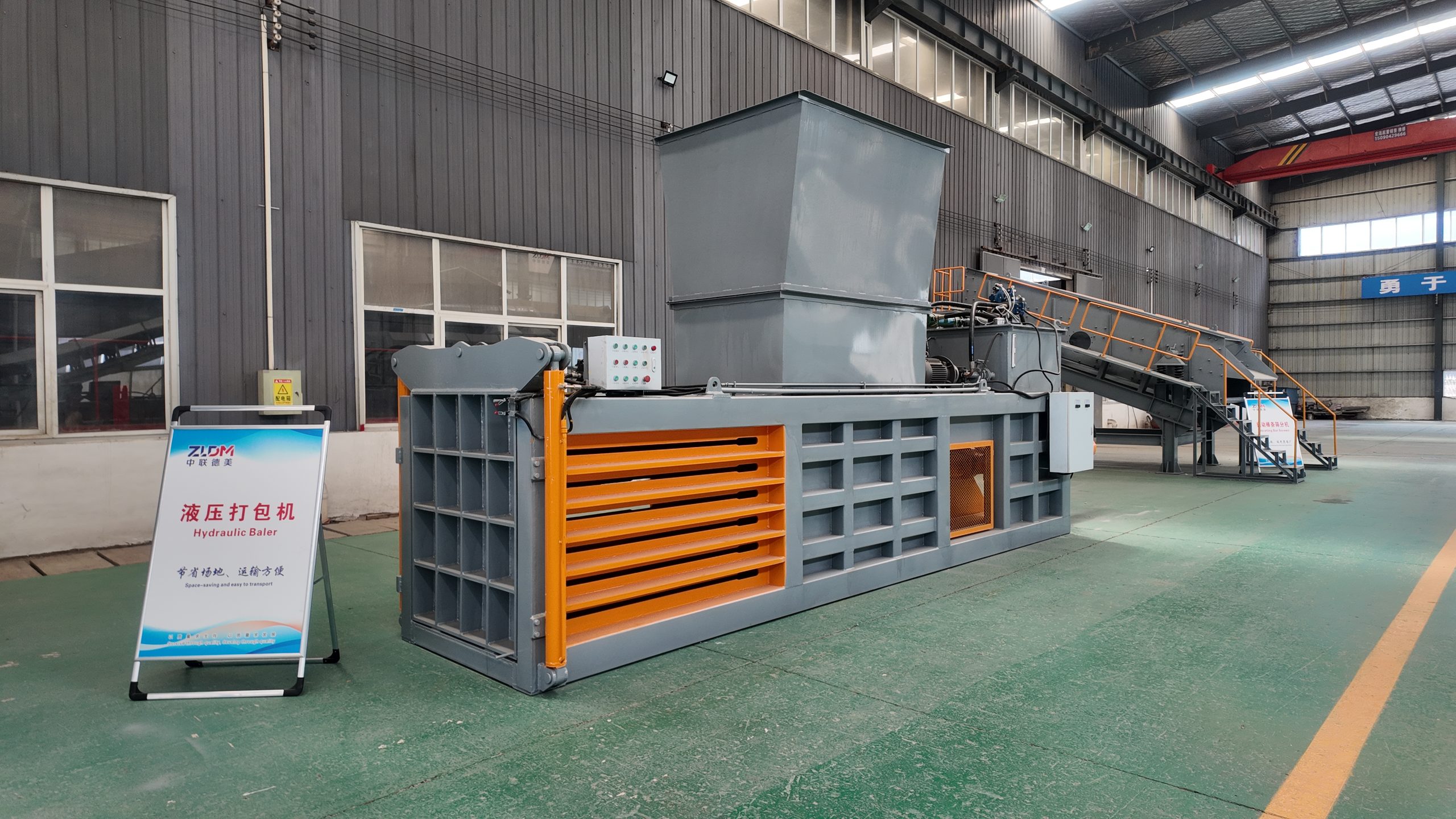
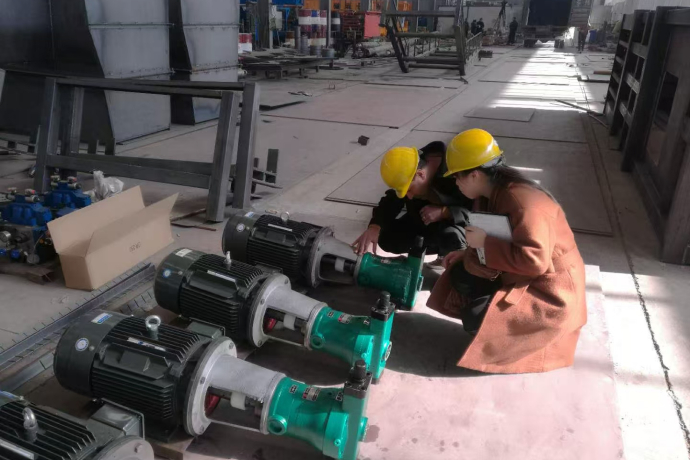
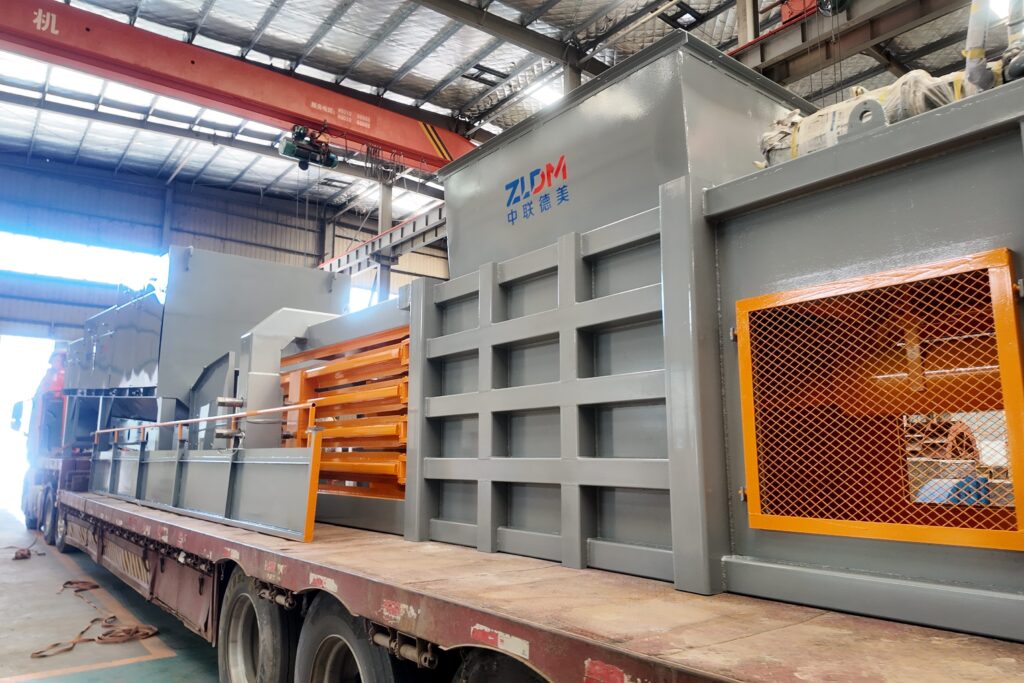
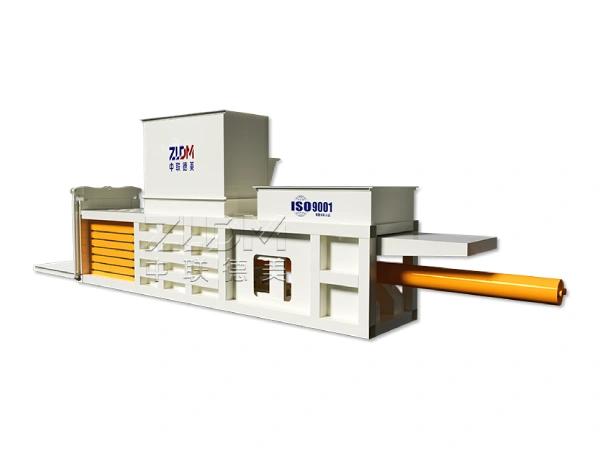
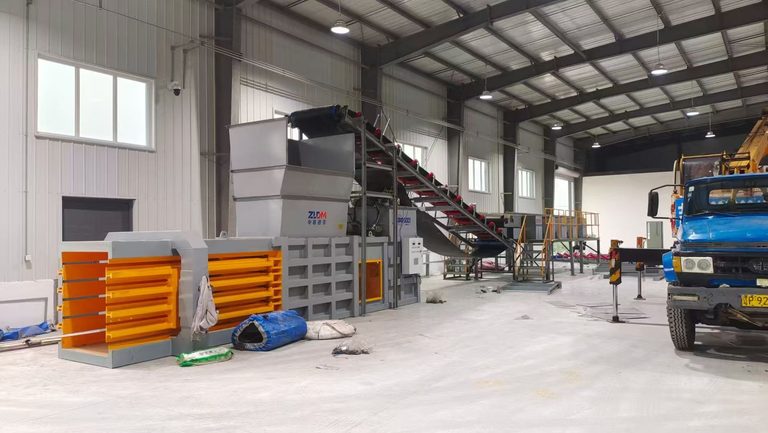
The horizontal hydraulic baling machine uses hydraulic power as its driving force and is driven by a hydraulic cylinder to push the baling cart to complete the baling. The hydraulic system is composed of several parts, including the oil tank, power mechanism (hydraulic pump), control mechanism (control valve), hydraulic pipelines, and actuator (hydraulic cylinder).
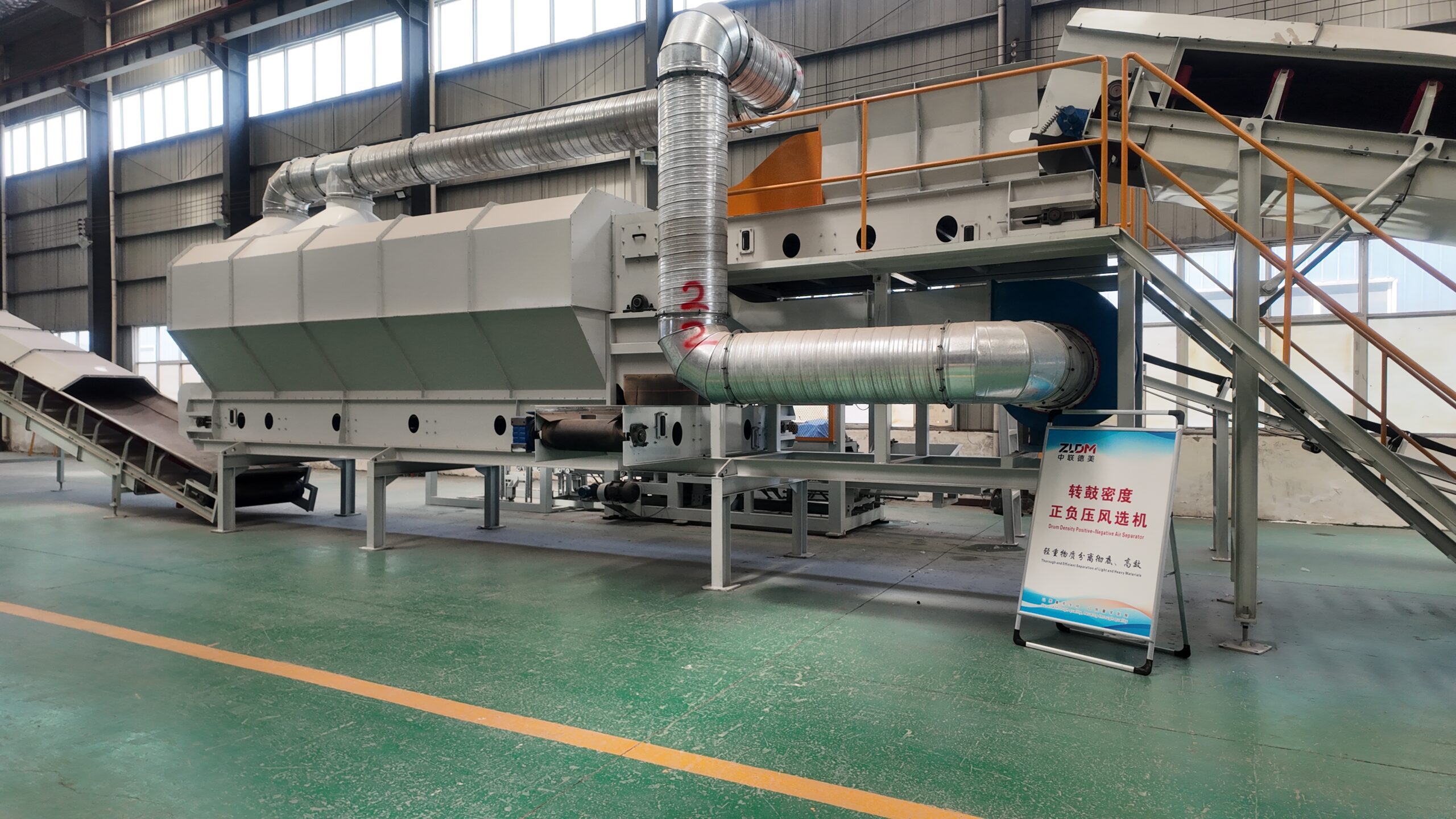
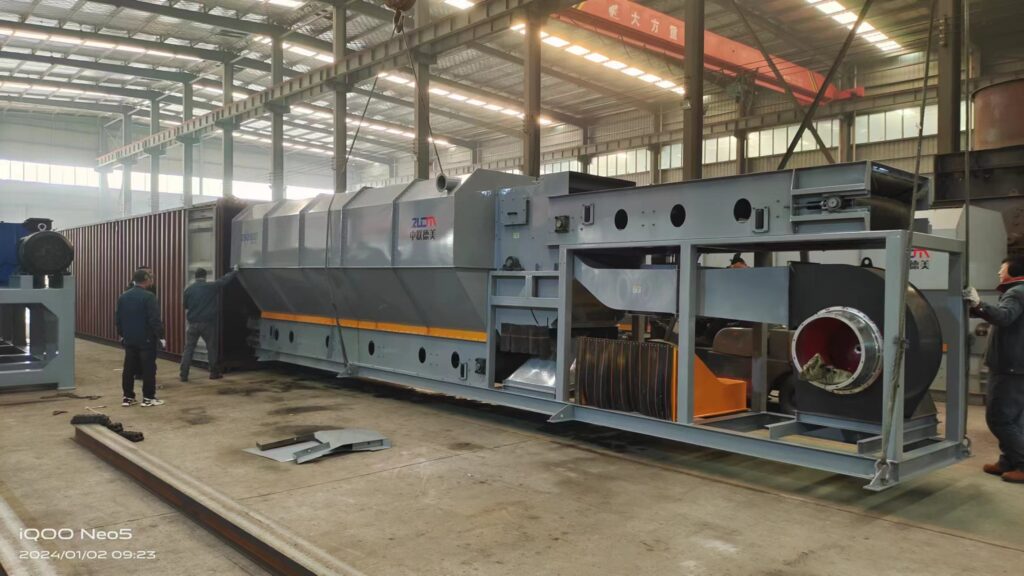
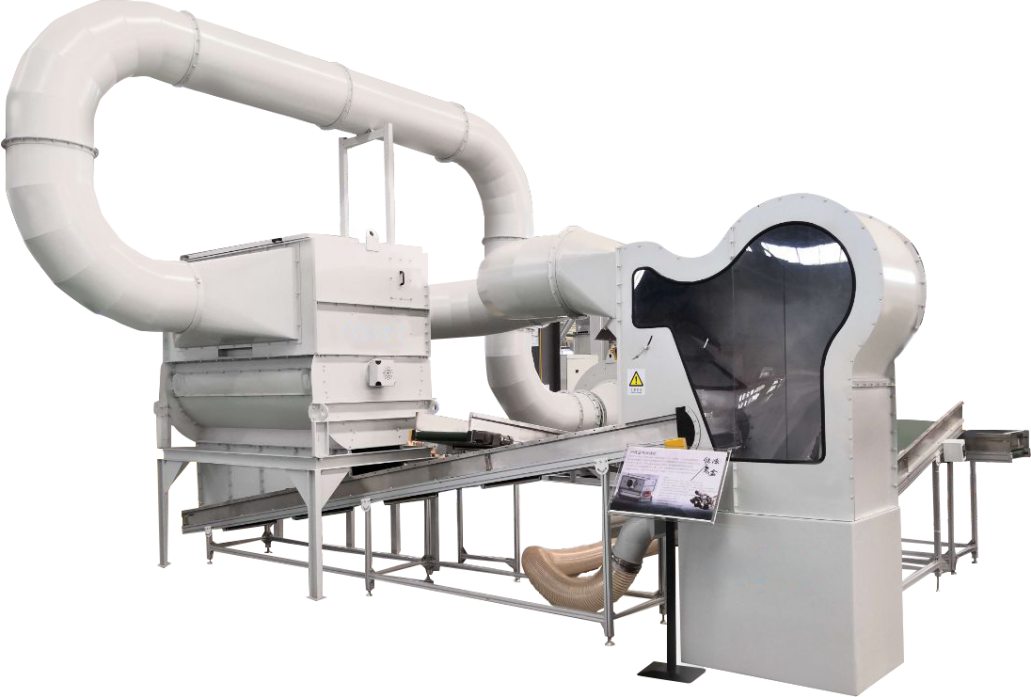
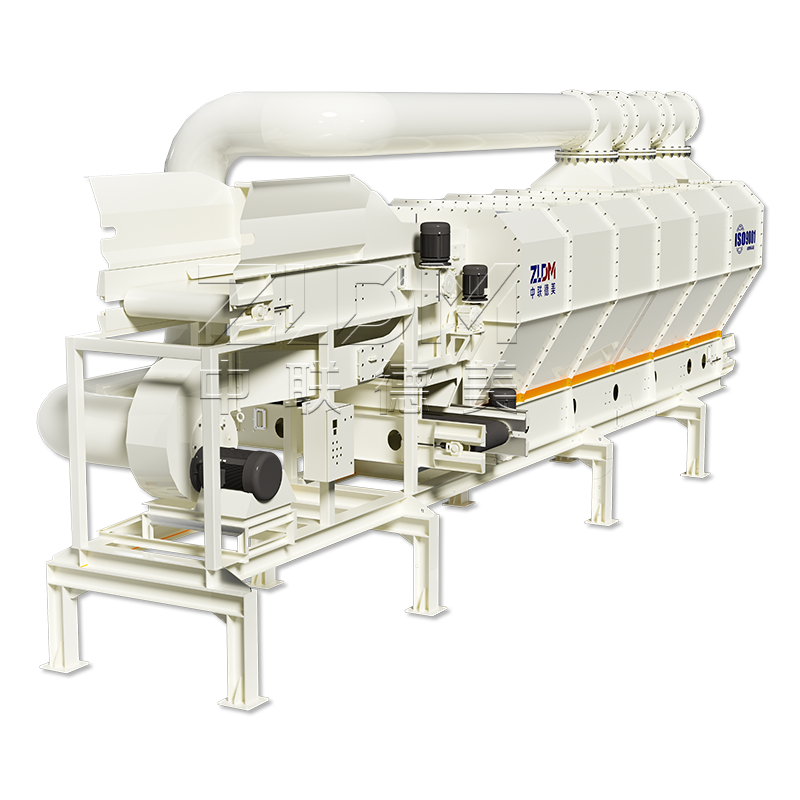
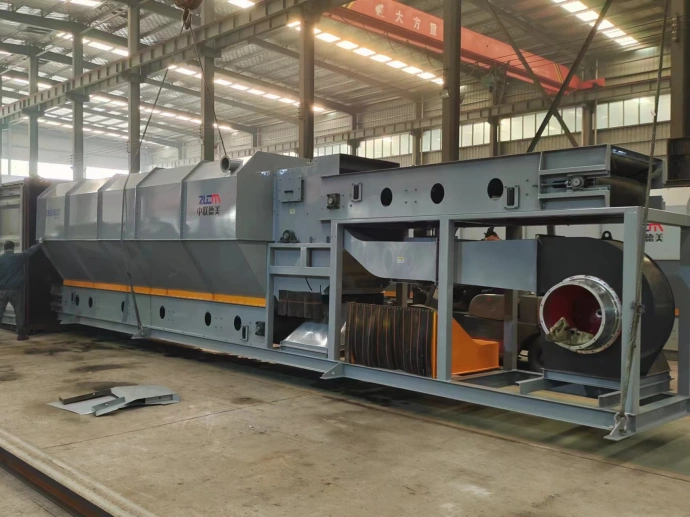
Based on aerodynamics and negative pressure control technology, the negative pressure air separator realizes precise separation of light and heavy materials by utilizing the differences in material density and suspension speed.
The positive pressure air separator is a device that relies on aerodynamic principles to efficiently physically separate mixed materials according to differences in density and specific gravity through controllable positive pressure air flow.
The process of separating a mixture of loose materials of varying particle sizes into several different grades by passing them multiple times through a single-layer or multi-layer screen with uniformly distributed apertures is known as screening.