
Product Introduction
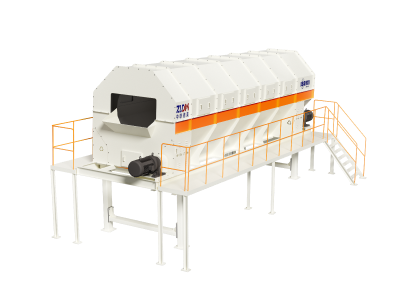
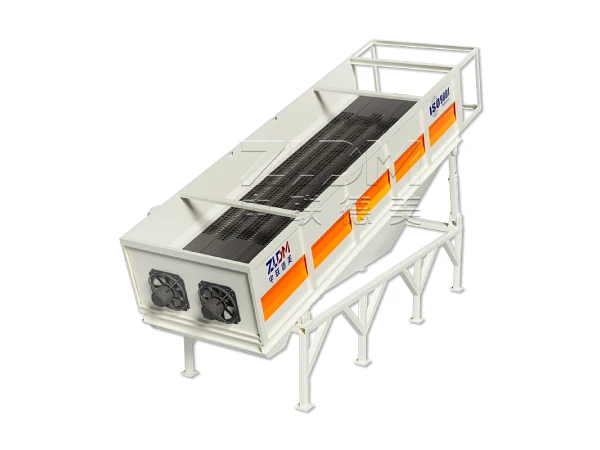
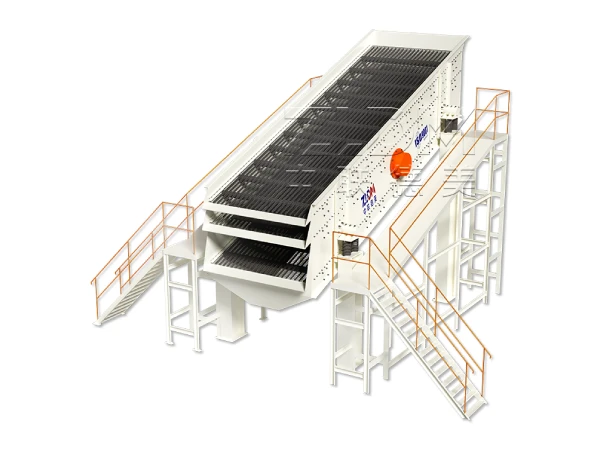
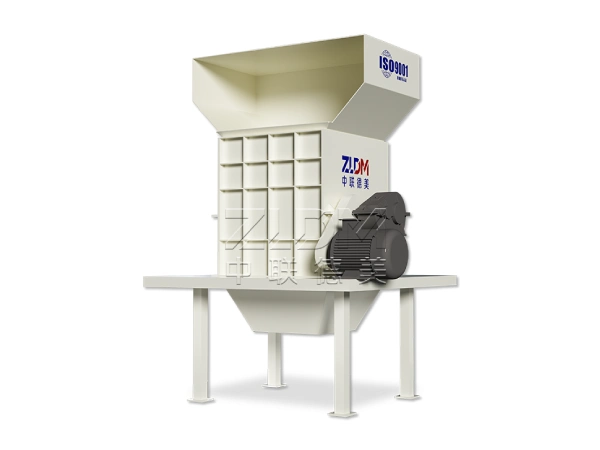
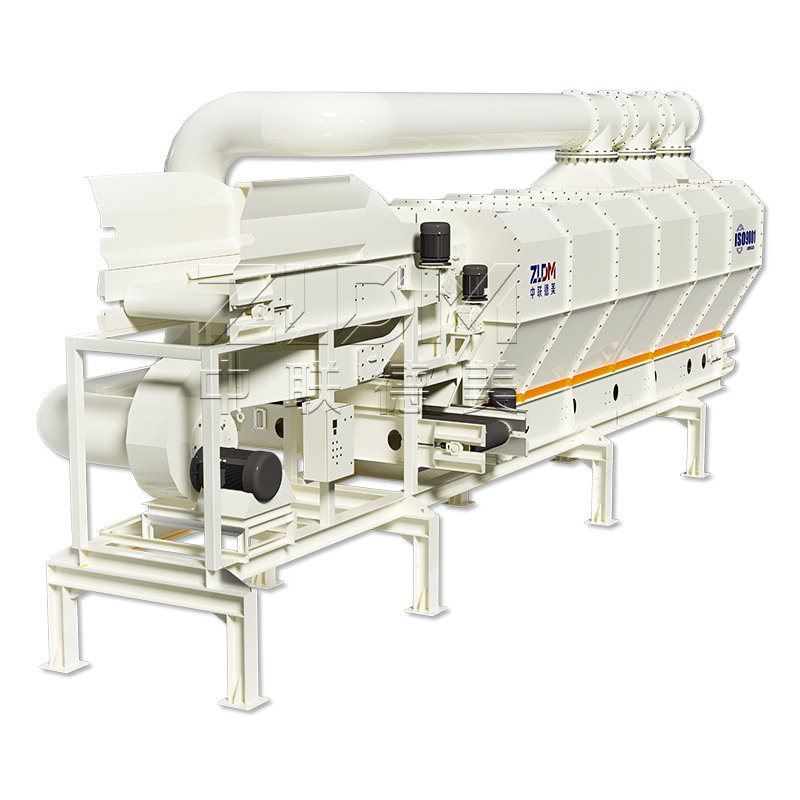
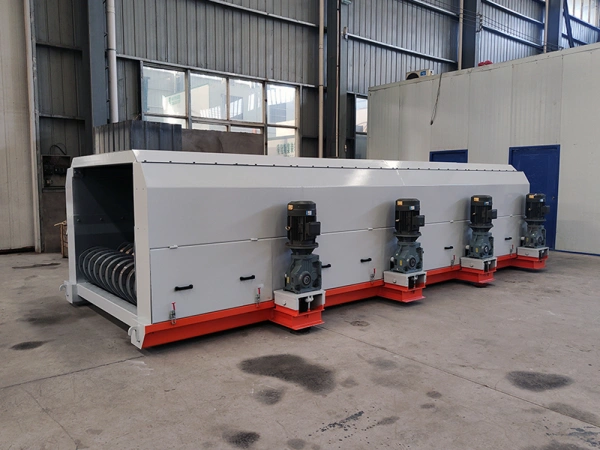
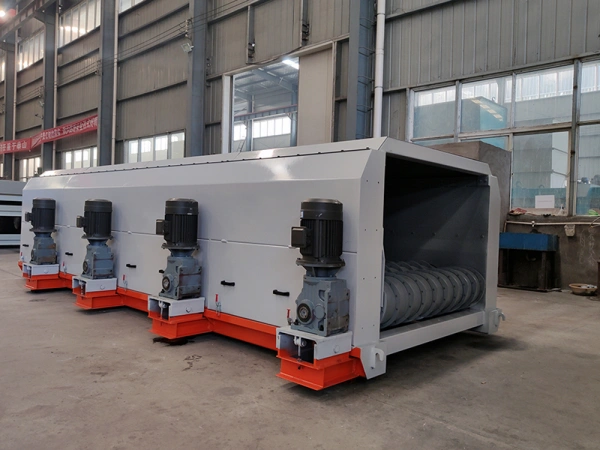
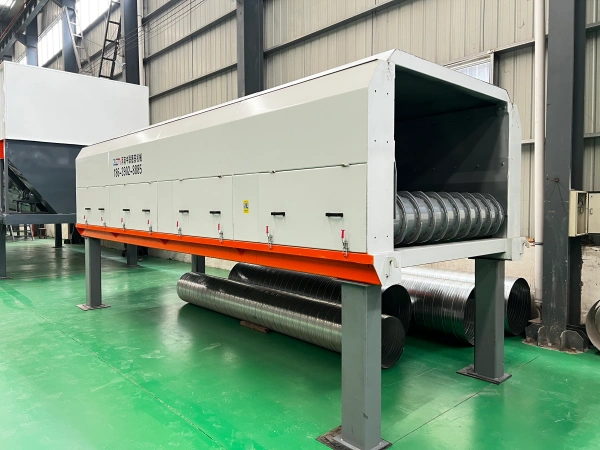
Disc screen (Disc Screen / Disc Sieve), often called a “disc sieve” or “disc separator,” is a device that performs screening using disc-shaped plates arranged in an interleaved pattern on multiple parallel shafts. It is especially effective for handling sticky, wet, easily tangled, or bulky mixed solid waste, and is a core sorting appliance in solid waste treatment and resource recovery.
Video show
Working Principle
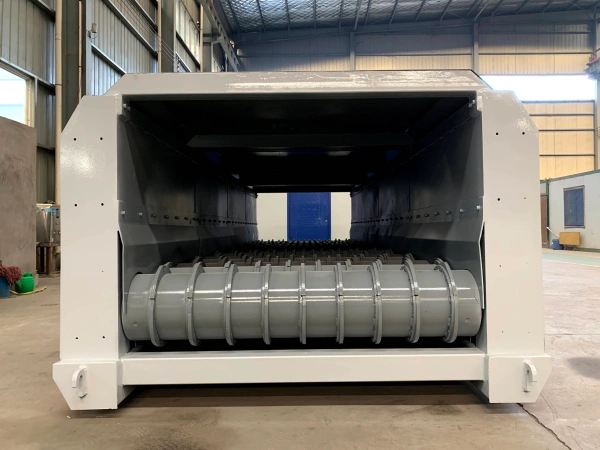
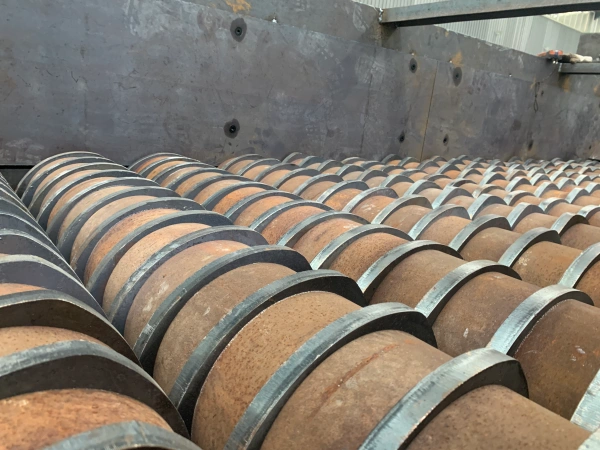
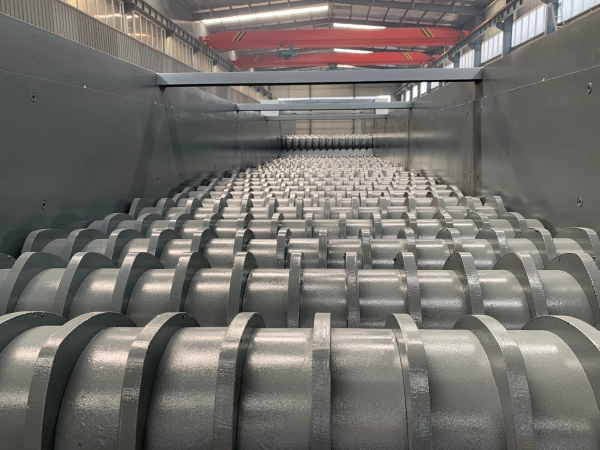
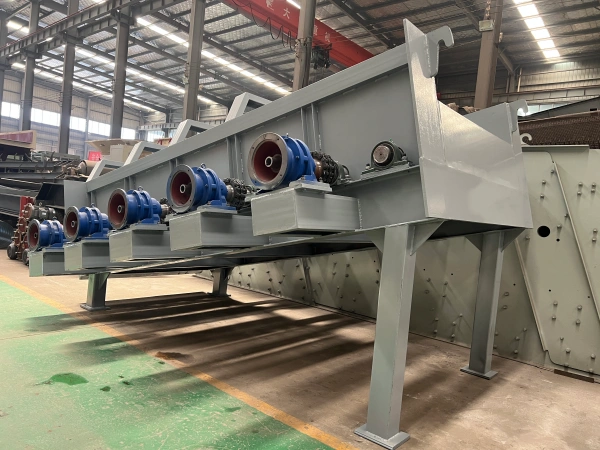
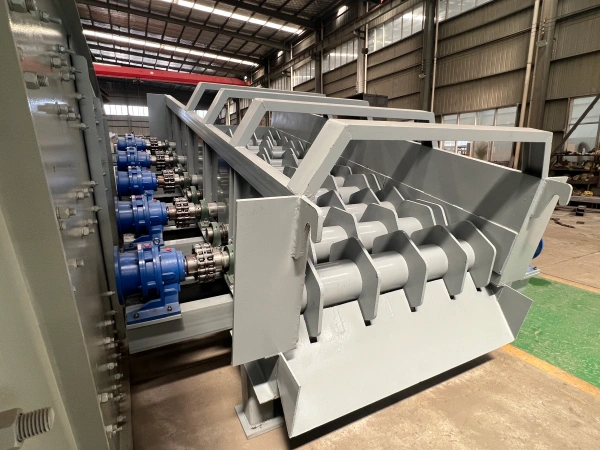
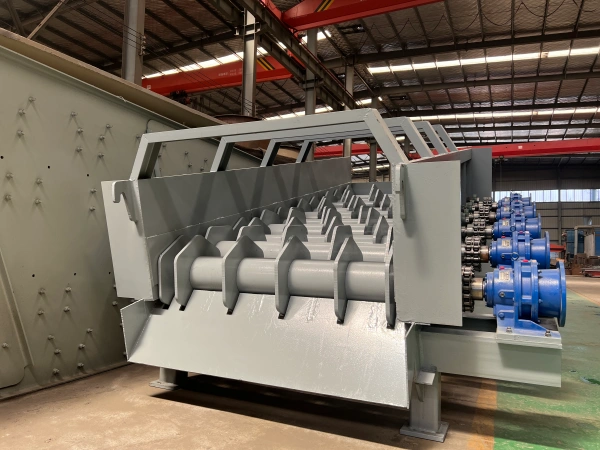
The machine consists of multiple screening shafts arranged in parallel, each fitted with several disc-shaped plates. The shafts rotate synchronously in the same direction. When material is fed in, fines smaller than the gaps between discs (undersize) fall through, while oversize material larger than the gaps is “swept” forward by the discs and conveyed onward, achieving integrated “screening + conveying.”
Structural Type
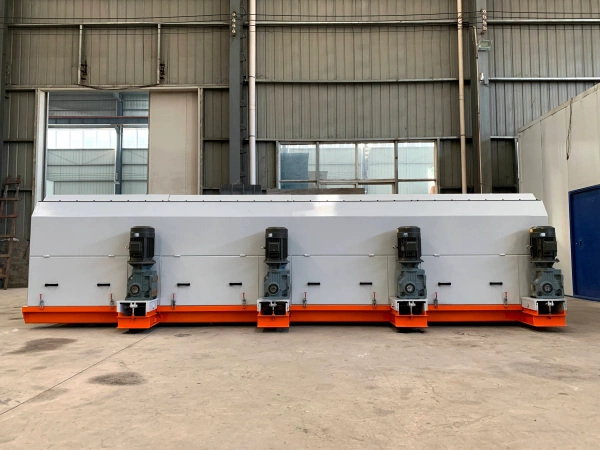
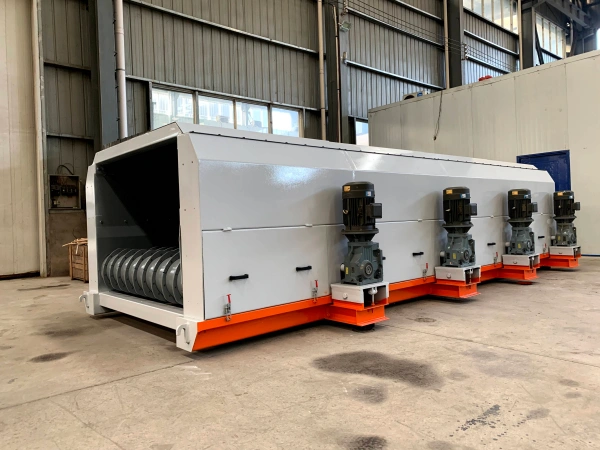
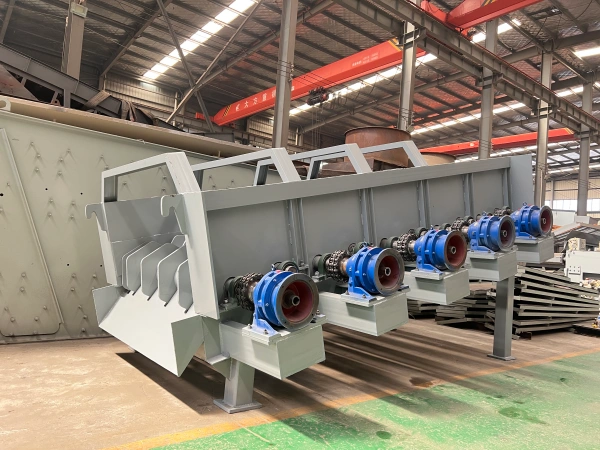
- Drive System: Motor + Gearbox + Sprocket/Gear Linkage (mostly modular, independent drives).
- Screening System: Screen shaft, removable discs (triangular-arc or circular), wear-resistant liners.
- Auxiliary Systems: Enclosure, anti-clogging cleaning device (scraper/nylon brush), variable frequency control system.
Product Advantages
Main Application Areas
Recycling of Construction and Renovation Waste
Scenario: Primary screening of demolition waste and renovation waste (including bricks, concrete, wood, plastic, etc.).
Value: Efficiently separates large construction aggregates from fine debris, providing clean feedstock for downstream crushing.
Sorting of Municipal Solid Waste and Decomposed Waste
Scenario: Pretreatment of municipal solid waste; excavation and screening of decomposed waste at landfills.
Value: Separates organic matter, lightweight materials (plastics, paper), and inert materials (sand, gravel, glass), thereby increasing resource recovery rates.
Mud-Stone Separation and Mining
Application: Sand and gravel aggregates with high mud content, river silt, and raw ore from mines.
Value: Enables dry mud-stone separation without adding water, preventing the generation of wastewater.
RDF (Refuse-Derived Fuel) Production
Applications: Particle size classification of industrial waste and bulky waste after crushing.
Benefits: Ensures uniform particle size for RDF fuel and removes non-combustible impurities.
Specification
| Equipment Model | Hourly processing capacity (m³/h) | Outer screen diameter (mm) | Length (mm) | Power (kW) | Dimensions (mm) |
| GS1230 | 20-50 | Φ1200 | 3000 | 3 | 3580×1590×1675 |
| GS1530 | 40-80 | Φ1500 | 3000 | 5.5 | 3980×1790×1975 |
| GS1830 | 80-150 | Φ1800 | 3000 | 7.5 | 4150×1870×2240 |
| GS2030 | 130-200 | Φ2000 | 3000 | 11 | 4230×1950×2950 |