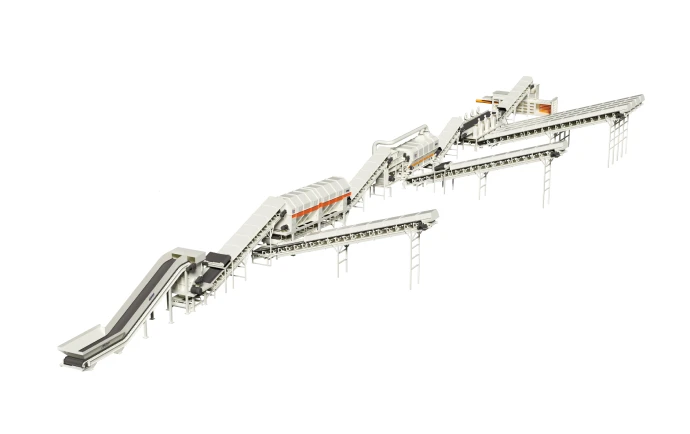
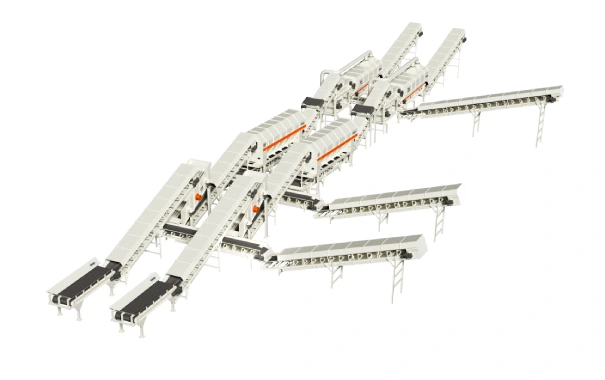
Implement the concept of first sorting andre-sorting, through a variety of screening andsorting equipment reasonable collocation, fast andaccurate sorting of materials, good sorting effect,high resource recovery rate.
Implement the concept of first sorting and re-sorting, through a variety of screening and sorting equipment reasonable collocation, fast and accurate sorting of materials, good sorting effect,high resource recovery rate.
The production line is equipped with intelligent detection management system, which can real-time monitoring, abnormal alarm, remote diagnosis, data analysis, so that the operation saves time, labor and worry.
The whole sealing structure, with dust removal noise reduction design, basically achieve a dust-free working environment.
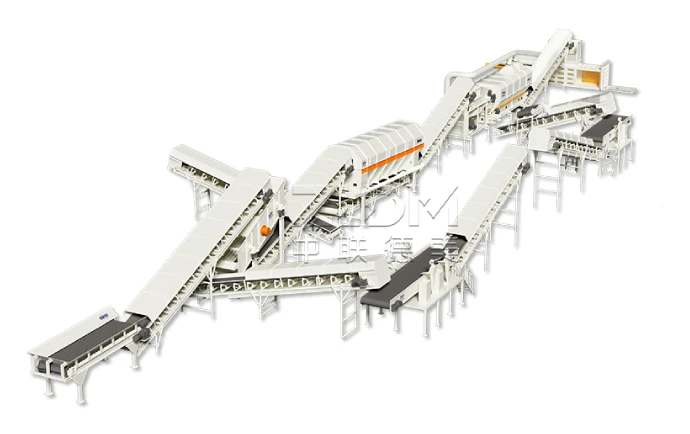
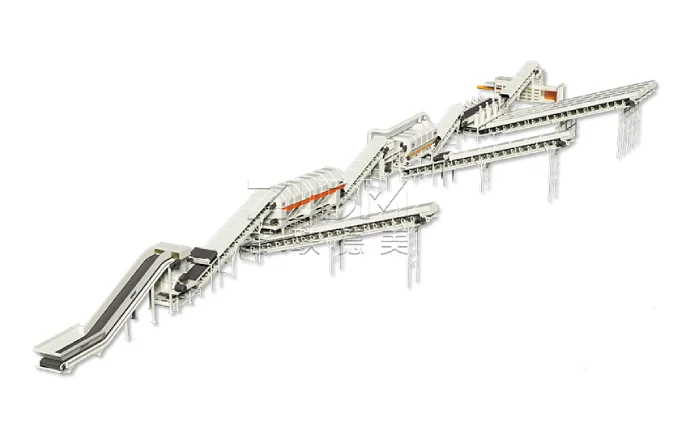
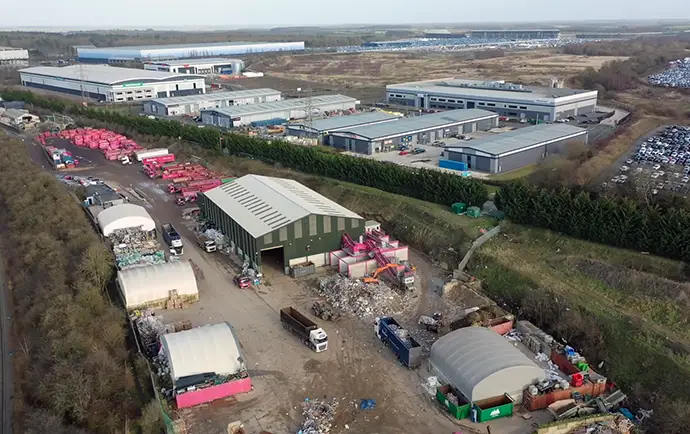
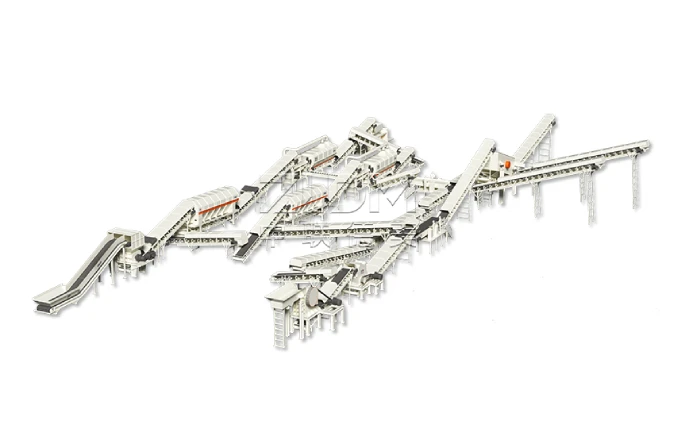
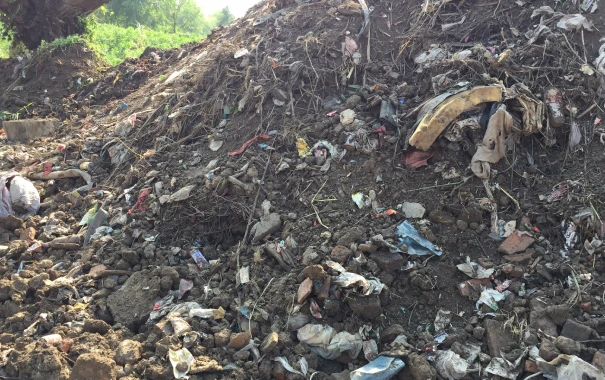
The construction waste sorting production line is a systematic system that integrates technologies such as crushing, screening, magnetic separation, air classification, and AI-powered intelligent recognition. It is specifically designed to convert complex mixed construction waste into high-purity recycled aggregates and various recyclable materials. It effectively addresses the pain points of traditional manual sorting—such as low efficiency, high pollution, and incomplete separation—and serves as the core facility for achieving the “reduction, resource recovery, and harmless disposal” of construction and renovation waste.
Key Selling Points
Intelligent Sorting and High-Purity Output
The new-generation production line incorporates an AI visual recognition system and intelligent robots capable of accurately identifying and retrieving impurities such as wood, plastic, and textiles, with robotic arm retrieval accuracy exceeding 98%. Combined with multi-stage air separation and magnetic separation technologies, the final recycled aggregate purity reaches 99%, significantly enhancing the quality and market value of recycled building materials.
High Automation and Cost Efficiency
The entire line utilizes a PLC central control system, enabling one-button start/stop and fully automated operation, significantly reducing reliance on manual labor. Compared to traditional methods, this saves substantial labor costs, and the equipment can operate continuously 24 hours a day, significantly improving processing efficiency.
Flexible Modular Design
The equipment supports modular configurations, allowing it to be set up as a fixed, large-scale production line in industrial parks (processing 300–500 tons per day) or integrated into mobile crushing stations for flexible relocation, adapting to processing needs of various scales and scenarios.
Extremely High Resource Utilization
Through precise sorting, the system can almost completely recover waste metals, wood, plastics, and heavy aggregates from construction and renovation waste, achieving an overall resource utilization rate of over 90% and truly turning waste into treasure.
Scope of Application
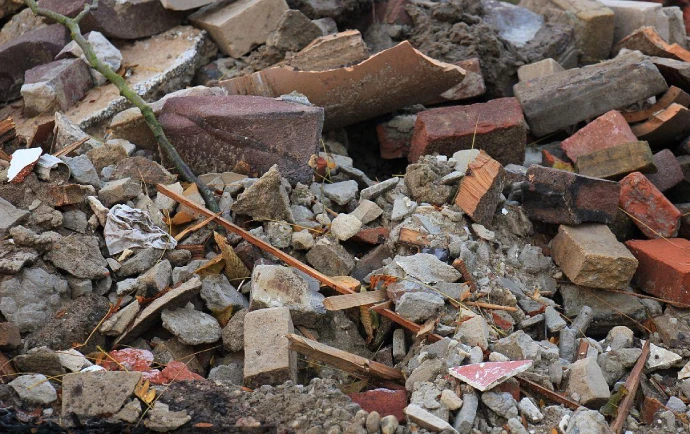
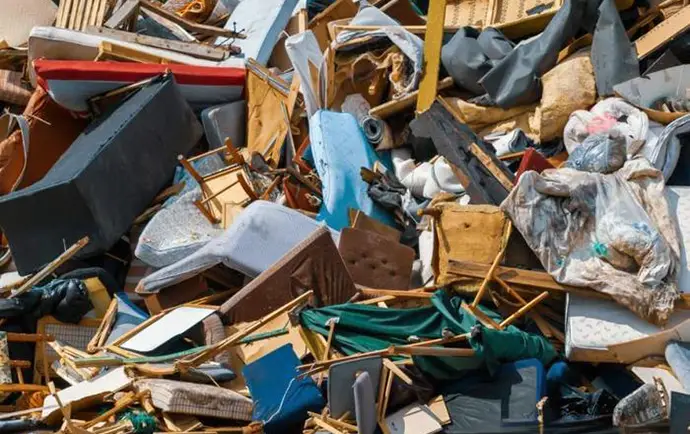
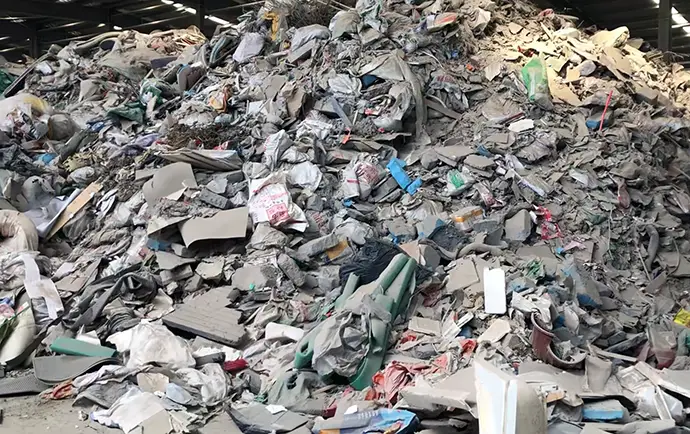
Applicable Materials: Widely processes various types of construction and renovation waste, including concrete blocks, bricks and tiles, sand and gravel, wood, plastic products, paper, textiles, rubber, scrap metal, and complex solid waste mixed with household garbage.
Application Scenarios
Urban Construction Waste Disposal Sites: Serves as the core processing equipment for centralized resource recovery of mixed renovation waste upon arrival.
Building Demolition and Urban Renewal Sites: Mobile production lines can be deployed to process demolition waste on-site, reducing transportation costs and secondary pollution.
Large-Scale Renovation Project Sites: Rapid sorting of concentrated waste generated by bulk renovations in commercial complexes or large residential communities.
Eco-friendly Building Materials Manufacturers: Utilizing the sorted clean aggregates as raw materials for the production of recycled building materials such as permeable pavers and road base materials.
Request a Customized Solution
We will provide customers with a variety of comprehensive services, including installation and commissioning service, technical training, maintenance, etc.
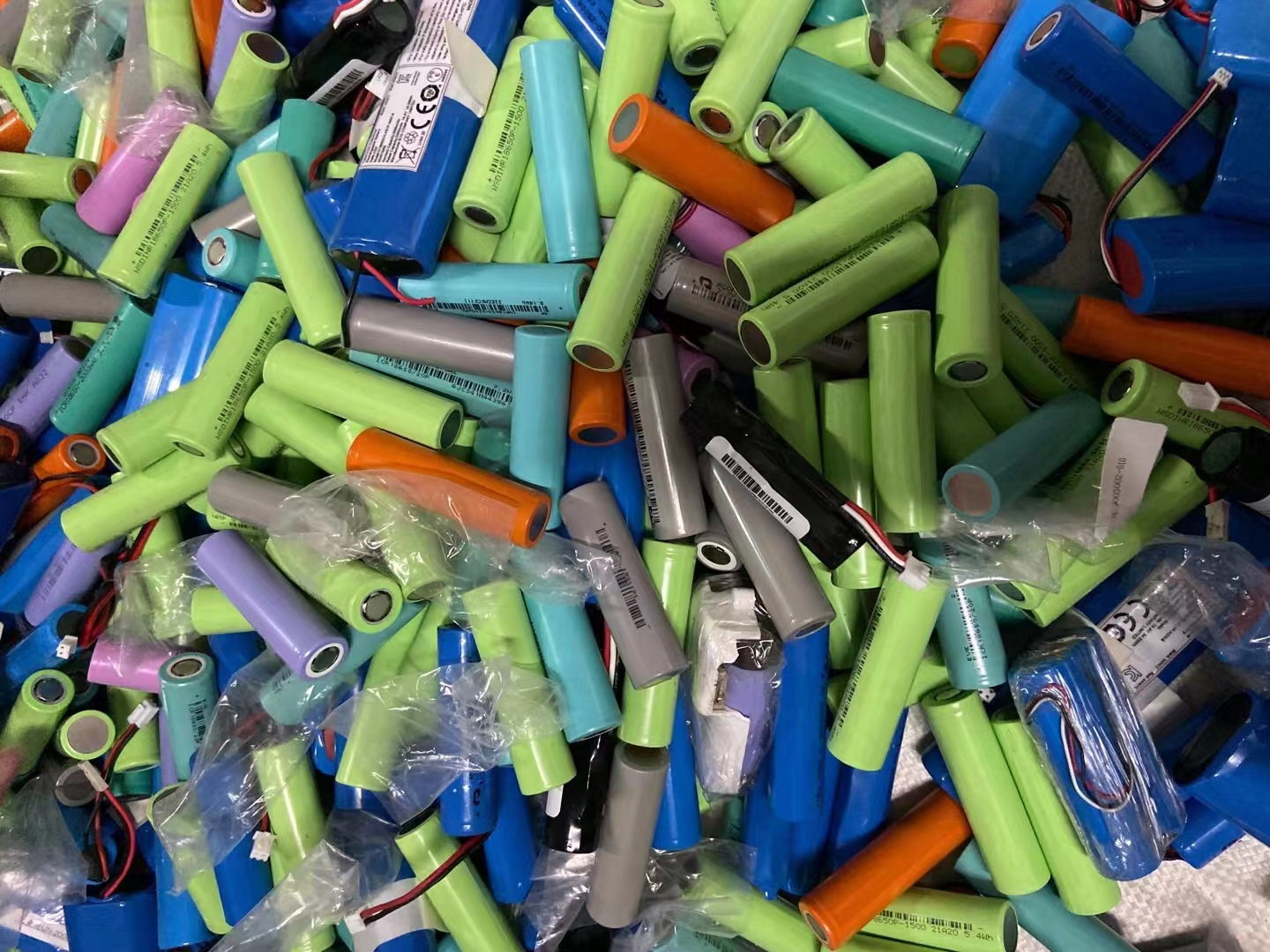
Research on the recycling of used lithium-ion batteries primarily focuses on recovering high-value precious metals—specifically cobalt and lithium—from the cathode. Lithium-ion battery recycling production lines are suitable for the disassembly and recycling of pouch batteries, cell phone batteries, casing batteries, and cylindrical batteries. The final products include graphite powder, lithium aluminum cobalt oxide, and copper.
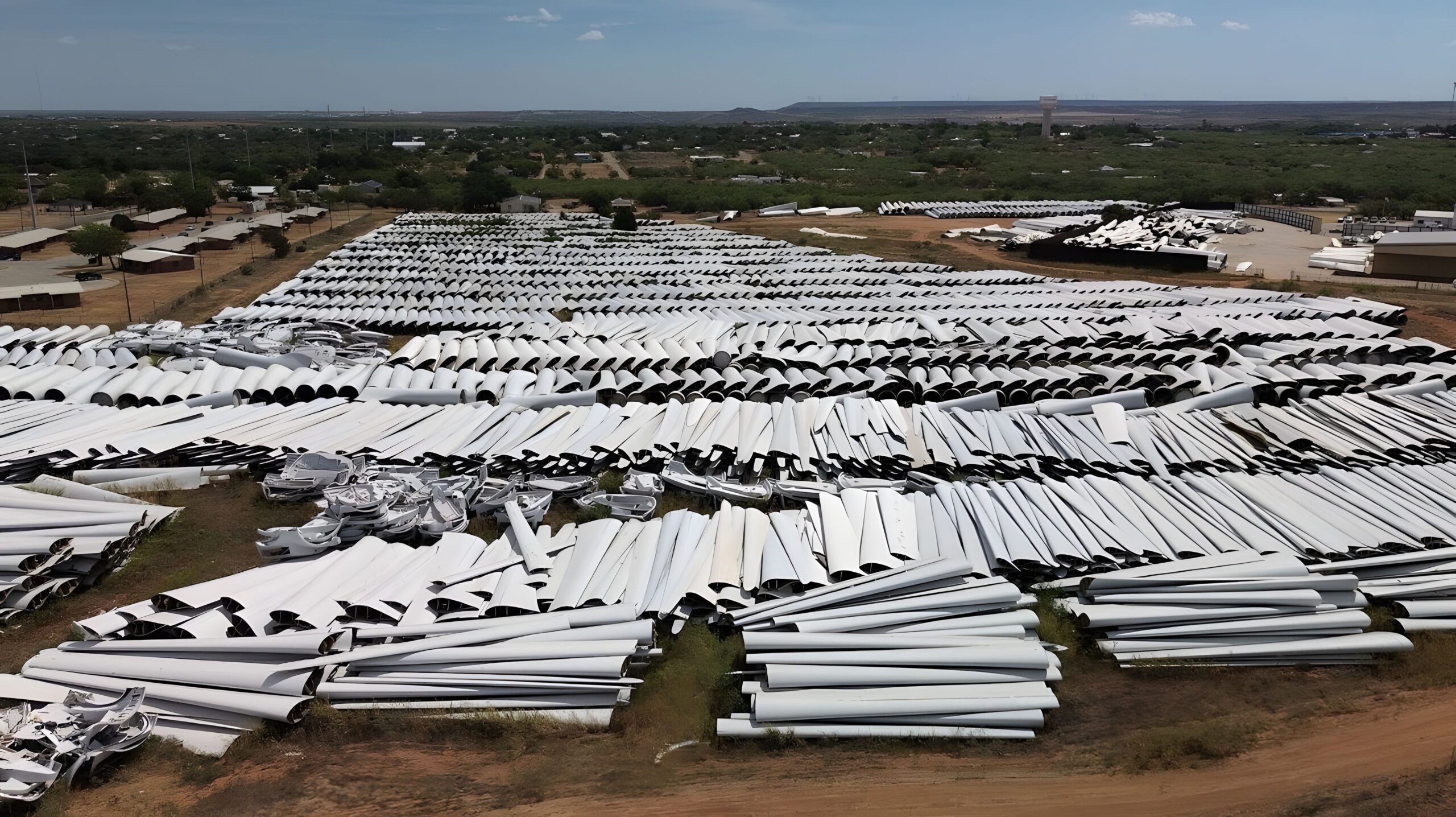
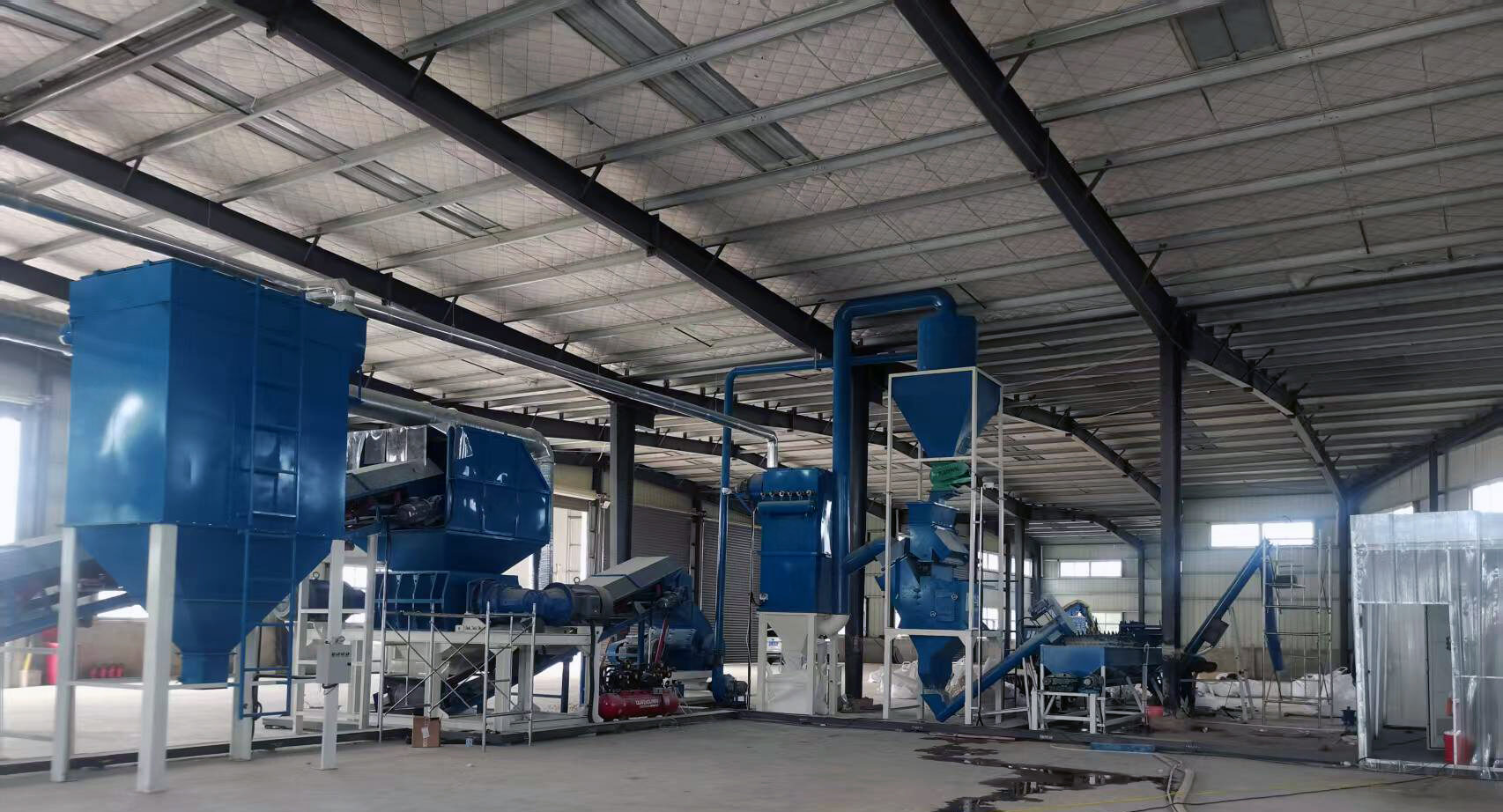
Decommissioned wind turbine blades are cut into large pieces, fed into a coarse crusher via a chain conveyor, then processed through magnetic separation, fine crushing, and sorting to produce fibers and small pieces, and finally ground into powder by a grinding system.
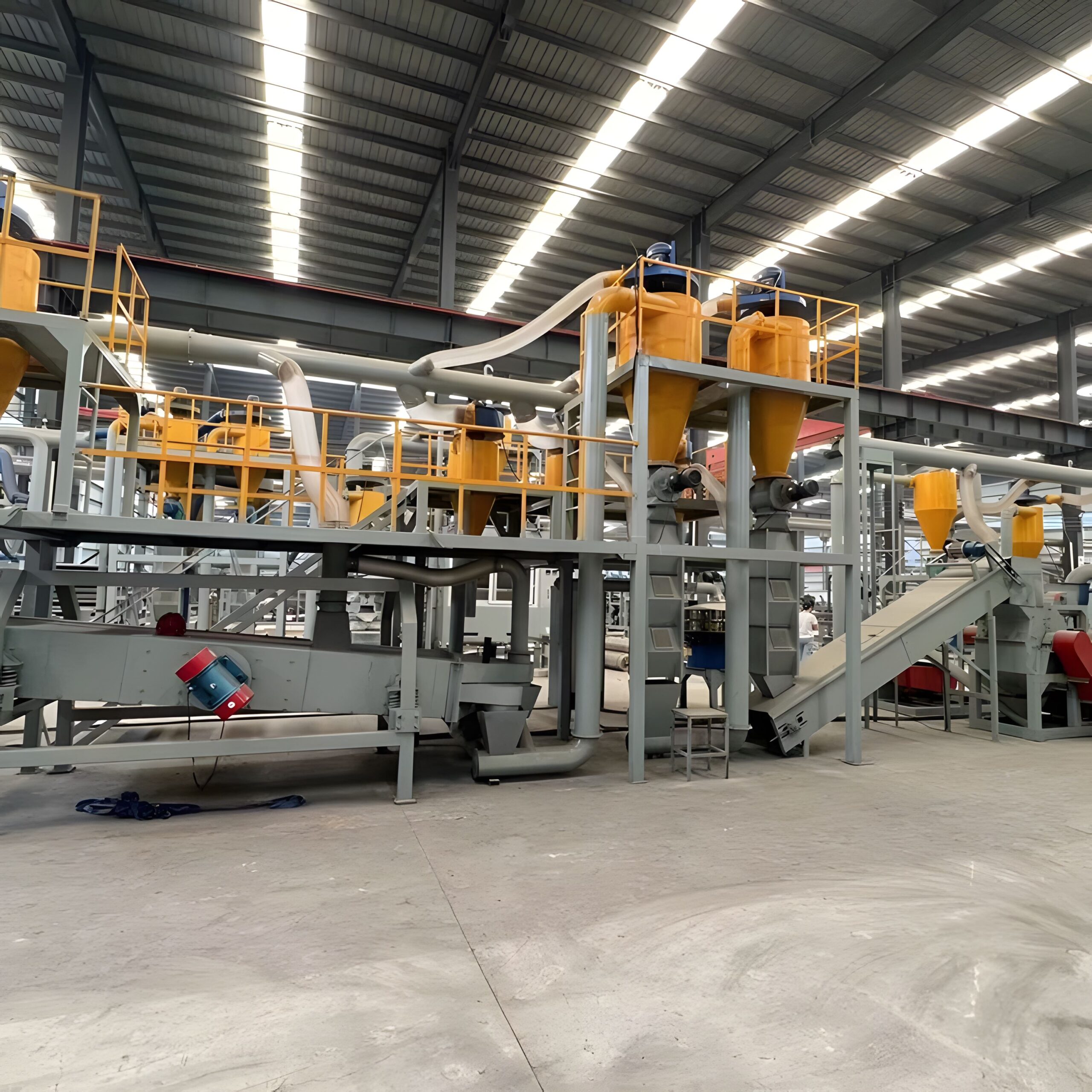
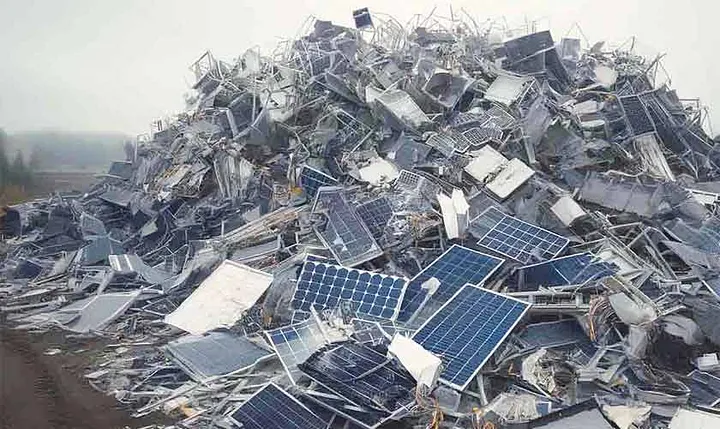
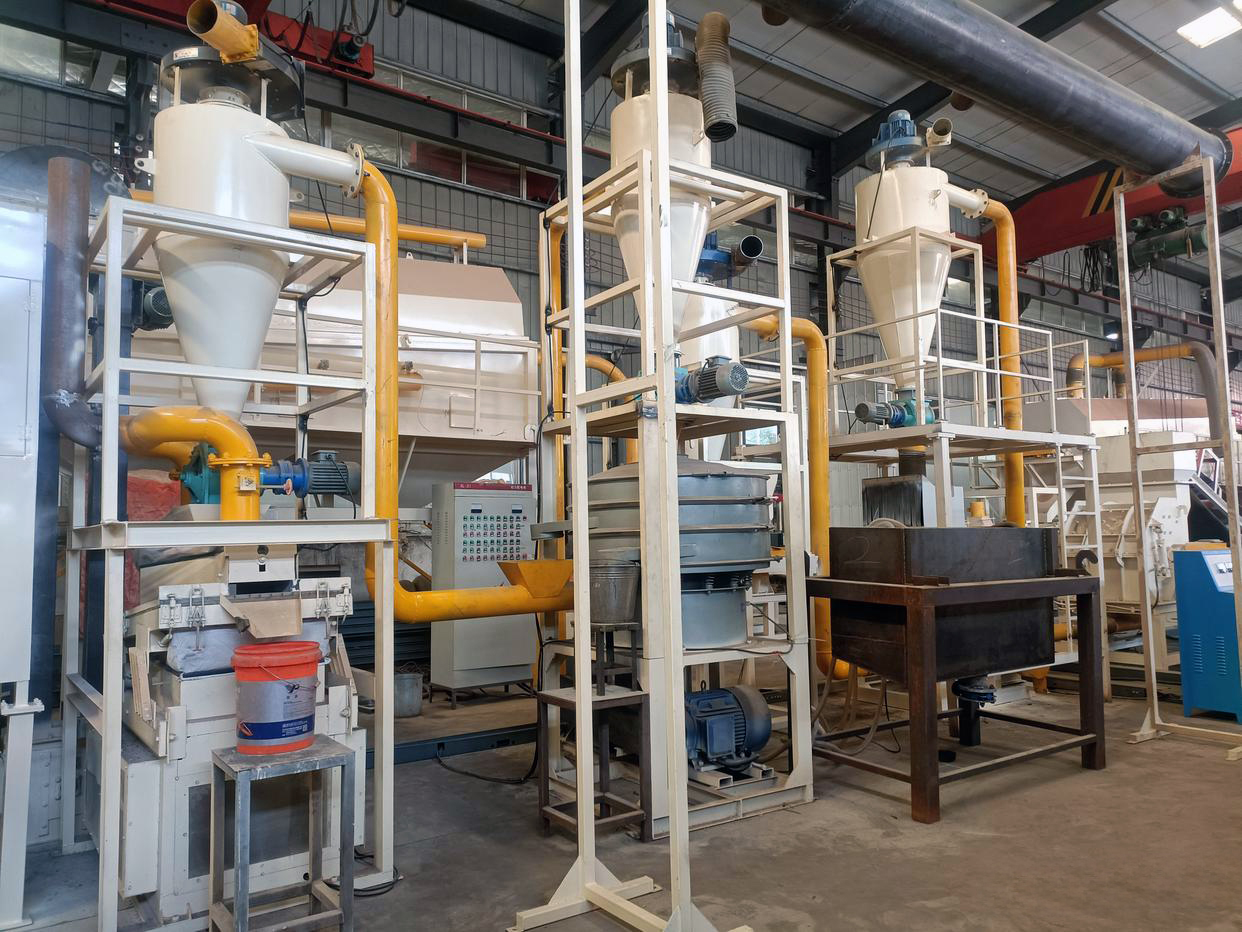
Equipment for recycling waste solar panels uses physical crushing and sorting to extract silicon powder, copper powder, and plastic, all of which have high market value.
A large-scale solid waste treatment production line is an industrial system designed to process solid waste—such as construction debris, hazardous industrial waste, and municipal solid waste—through “reduction, harmless disposal, and resource recovery.”
We specialize in the EPC general contracting of solid waste treatment plants, providing safe, efficient and compliant one-stop solutions for urban and industrial solid waste disposal through integrated full-process services including design, procurement, construction, commissioning and operation and maintenance
The demolition waste (construction and demolition waste) sorting equipment production line is an industrial system designed to convert mixed building demolition waste into clean recycled aggregates and recyclable resources. It primarily employs a “crushing and separation + multi-stage sorting” process to address the challenges posed by the complex composition of demolition waste, which contains large amounts of rebar and lightweight materials.
Screening treatment of domestic waste serves as the core pretreatment link for the resource utilization, reduction, and harmless disposal of waste. Relying on mechanical screening technology, mixed waste is accurately classified and separated according to differences in particle size, density, and morphology, laying a foundation for subsequent targeted disposal.
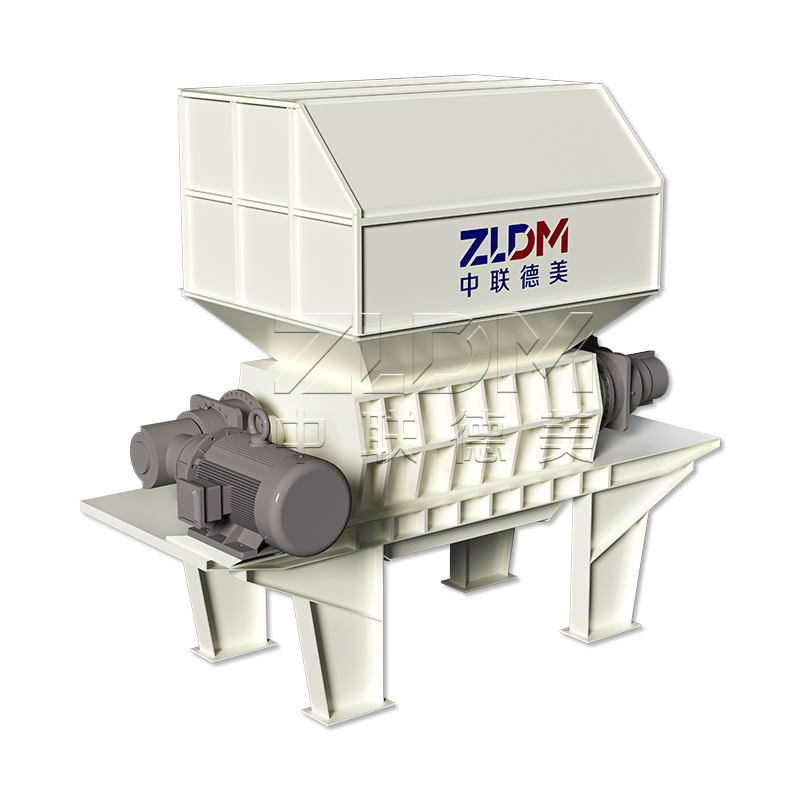
The shredder adopts dual-shaft independent drive, which generates corresponding compression on materials during production to achieve automatic feeding function. With a unique cutter shaft structure and four-corner rotating cutters, it will not experience shaft winding or equipment jamming during low-speed and high-torque operation, thus improving production efficiency.
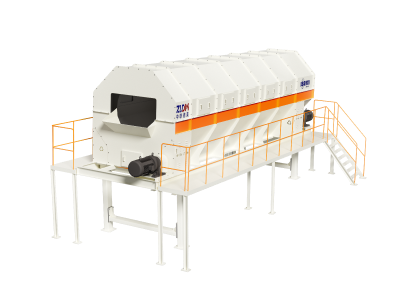
The drum screen can be used for construction waste, domestic waste, stale waste, construction waste, etc. The drum screen is a screening equipment that classifies materials based on their particle size.
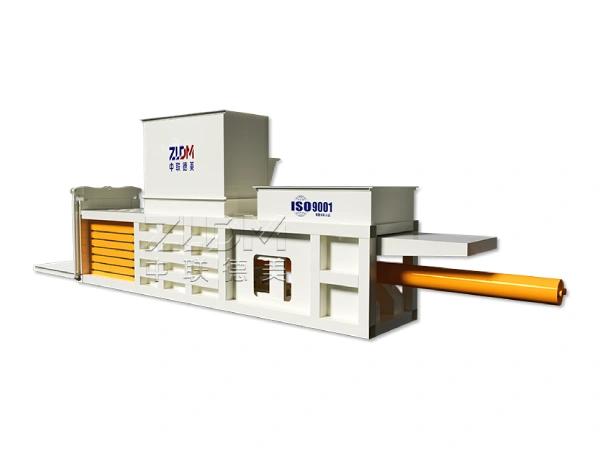
The horizontal hydraulic baling machine uses hydraulic power as its driving force and is driven by a hydraulic cylinder to push the baling cart to complete the baling. The hydraulic system is composed of several parts, including the oil tank, power mechanism (hydraulic pump), control mechanism (control valve), hydraulic pipelines, and actuator (hydraulic cylinder).
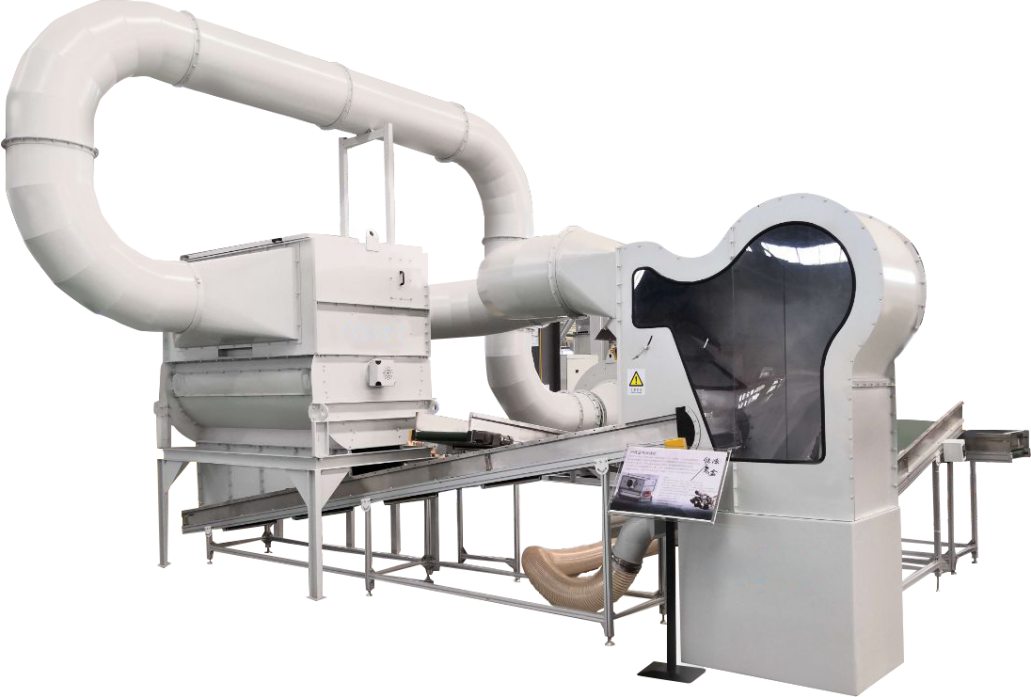
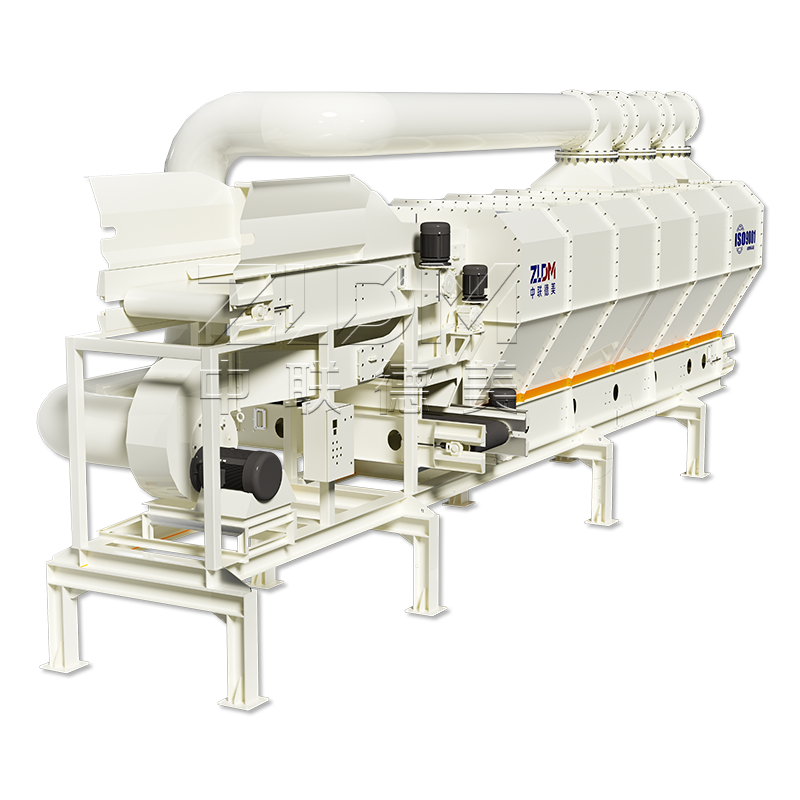
Based on aerodynamics and negative pressure control technology, the negative pressure air separator realizes precise separation of light and heavy materials by utilizing the differences in material density and suspension speed.
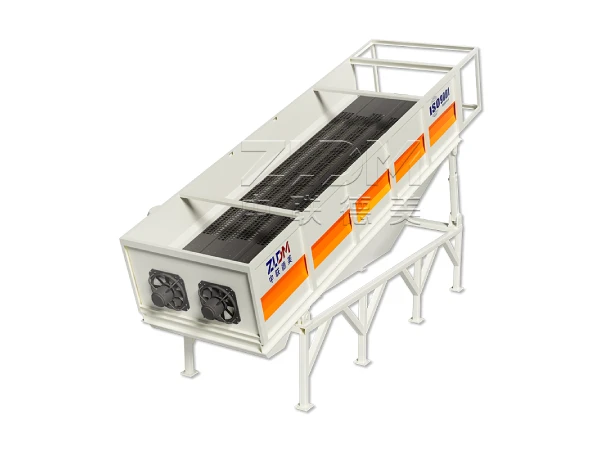
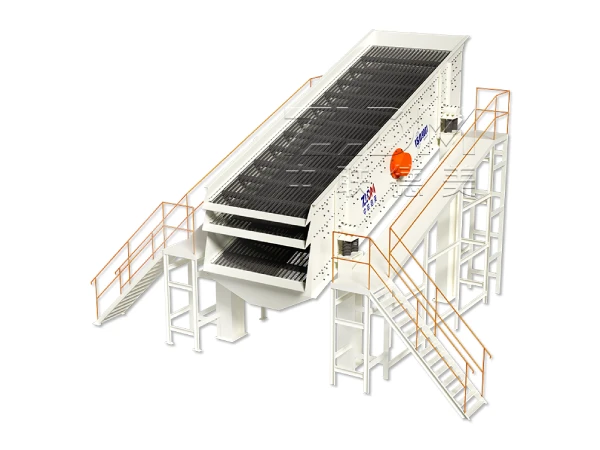
The bouncing screen is a device that sorts materials based on the size, density, and shape of different components in the sorted materials. It is ideal equipment for handling and sorting domestic waste, old waste, construction waste, decoration waste, and other types of garbage.
The process of separating a mixture of loose materials of varying particle sizes into several different grades by passing them multiple times through a single-layer or multi-layer screen with uniformly distributed apertures is known as screening.
The positive pressure air separator is a device that relies on aerodynamic principles to efficiently physically separate mixed materials according to differences in density and specific gravity through controllable positive pressure air flow.