
Video Show
Process Introduction
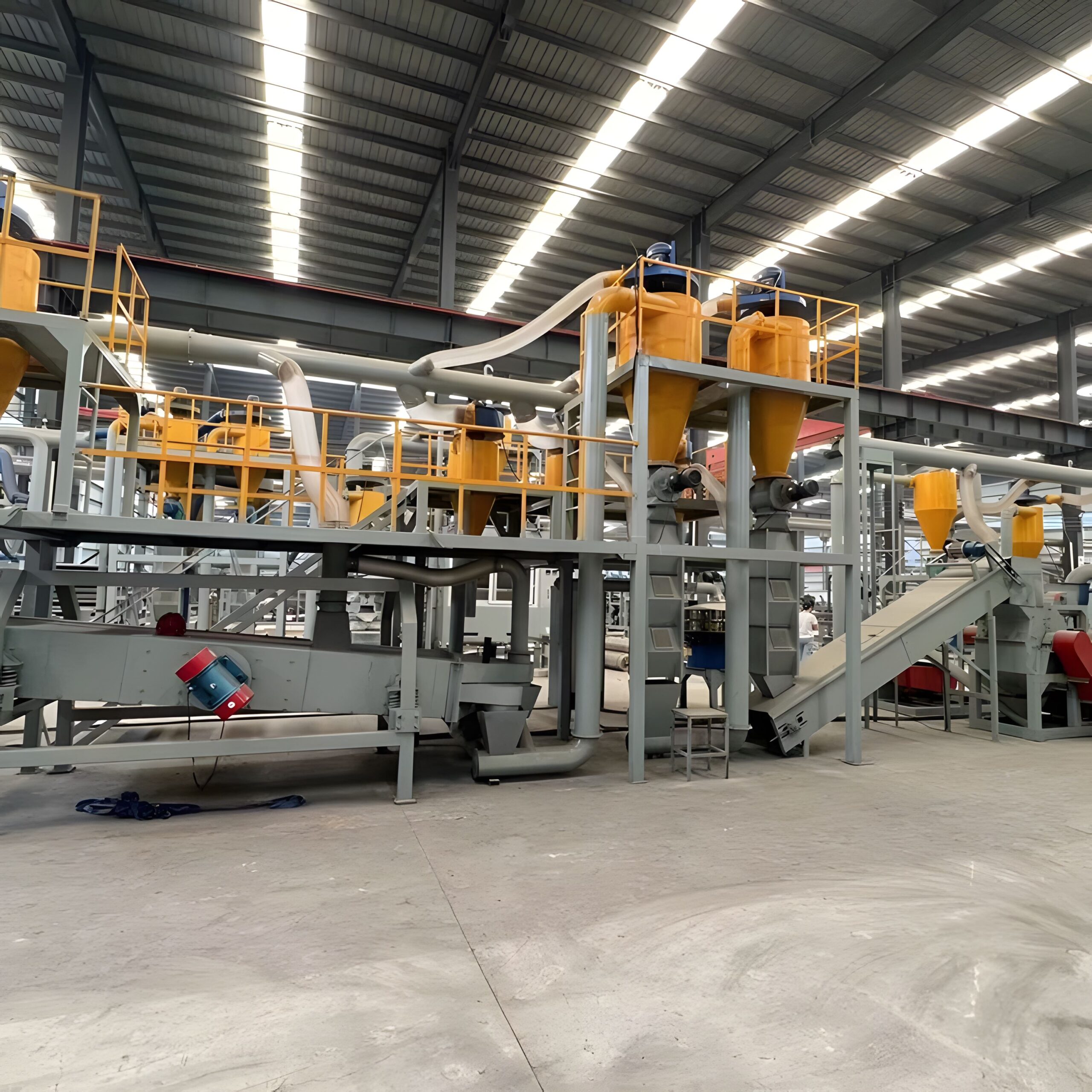
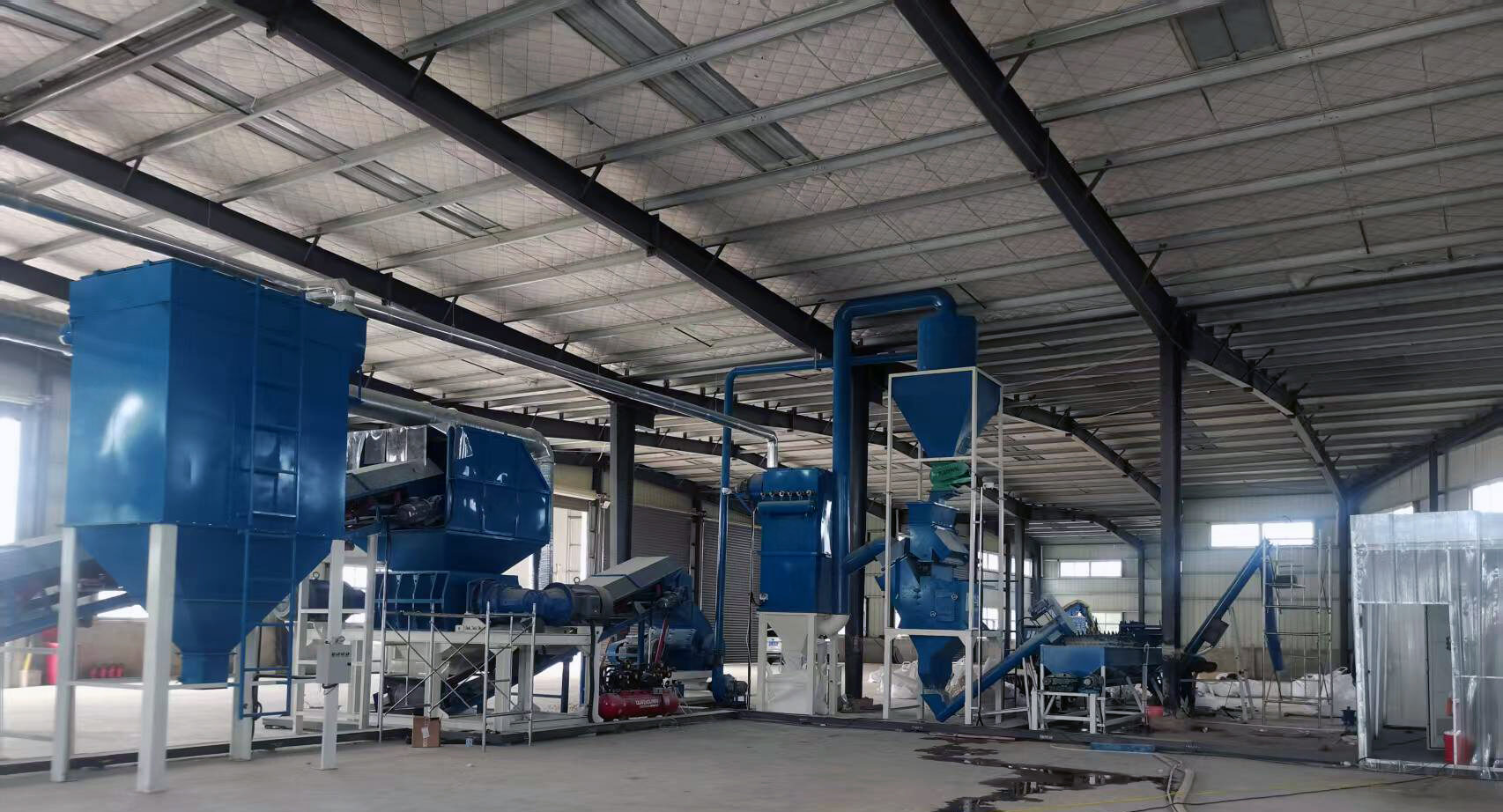
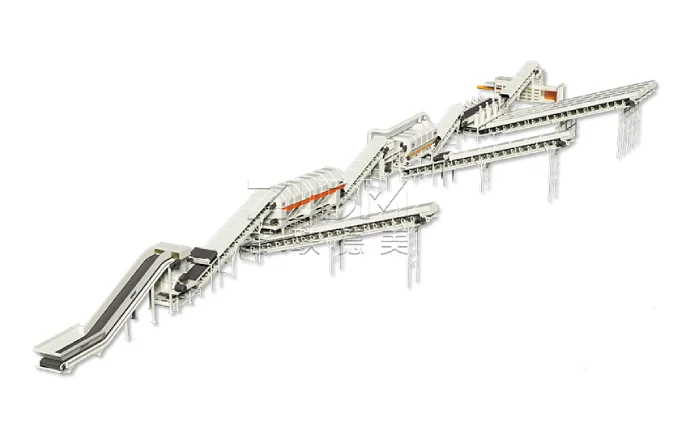
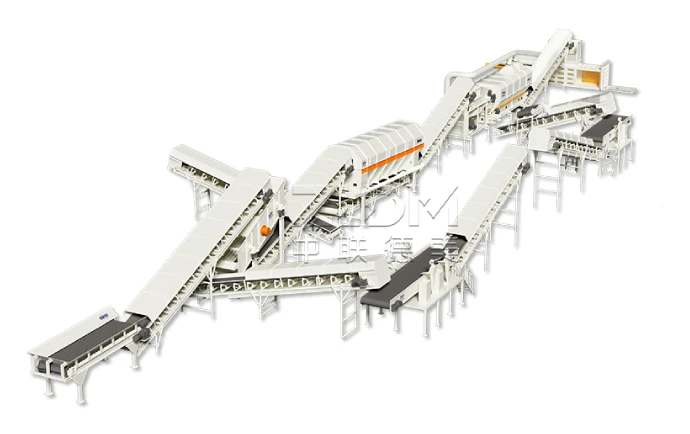
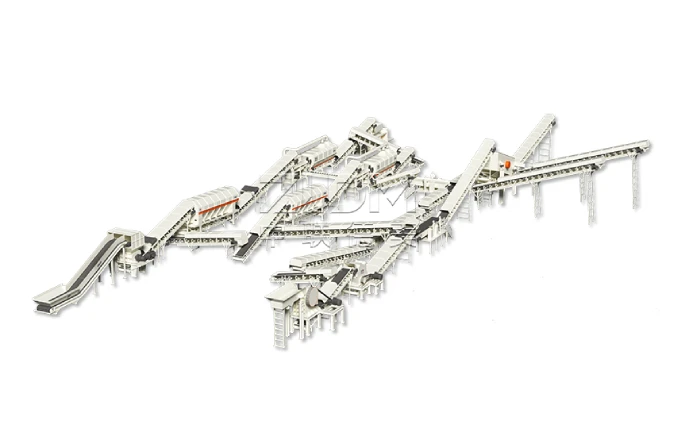
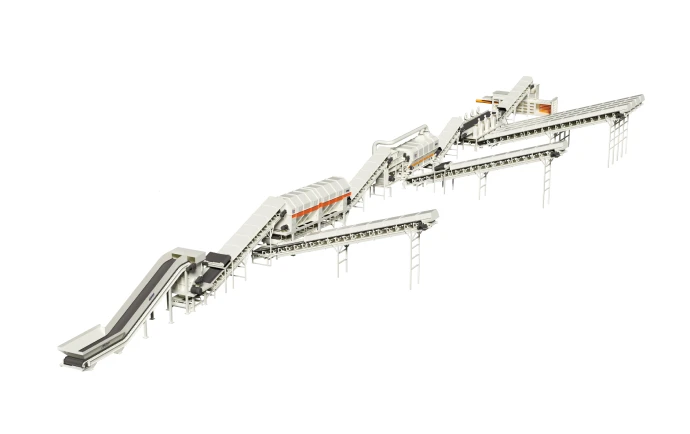
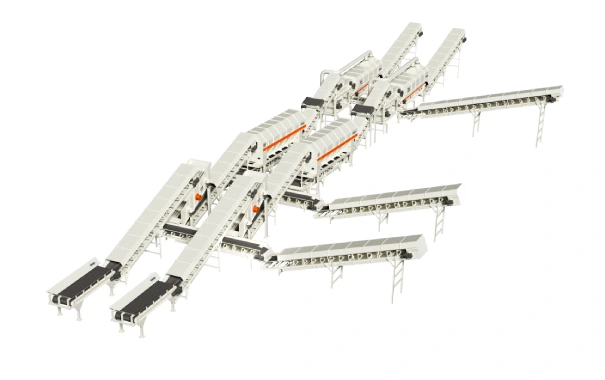
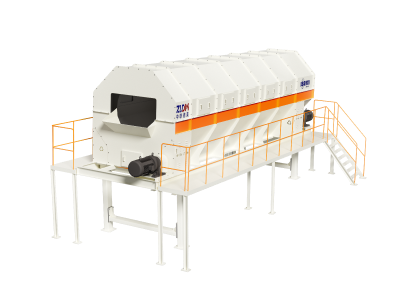
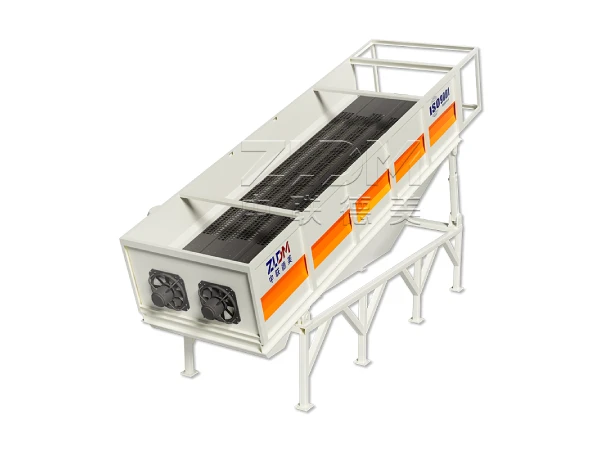
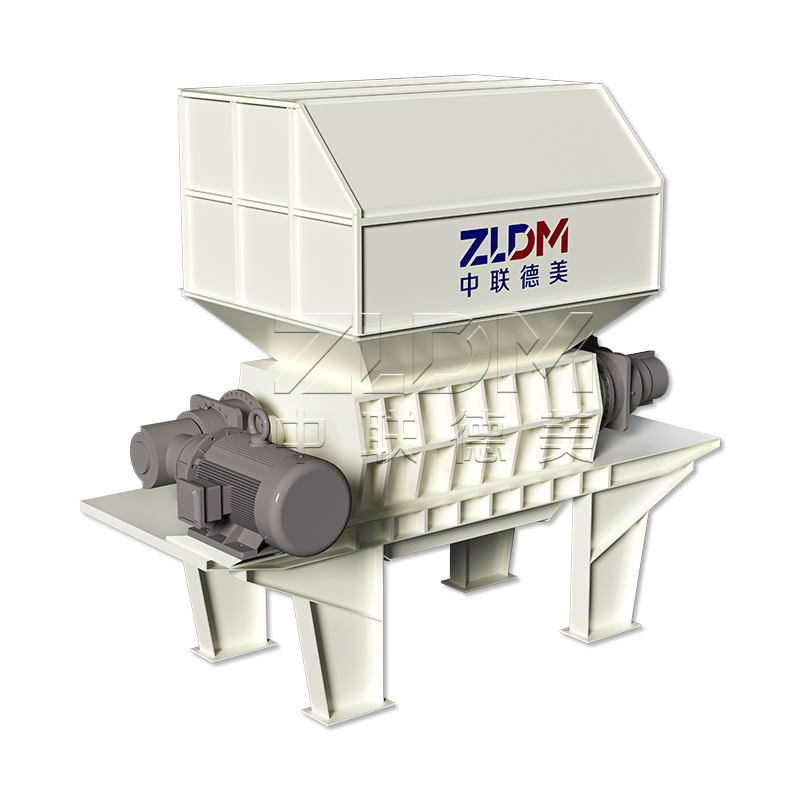
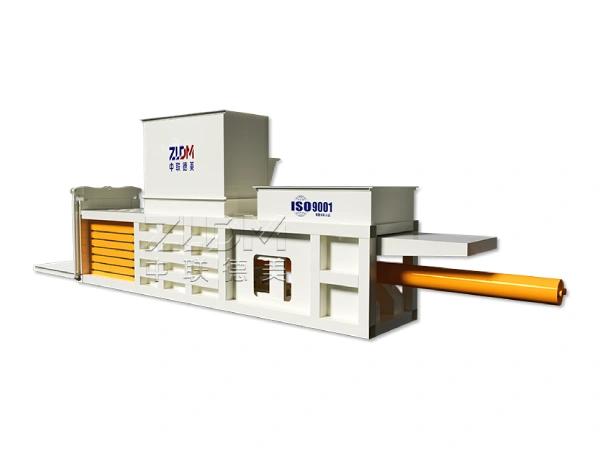
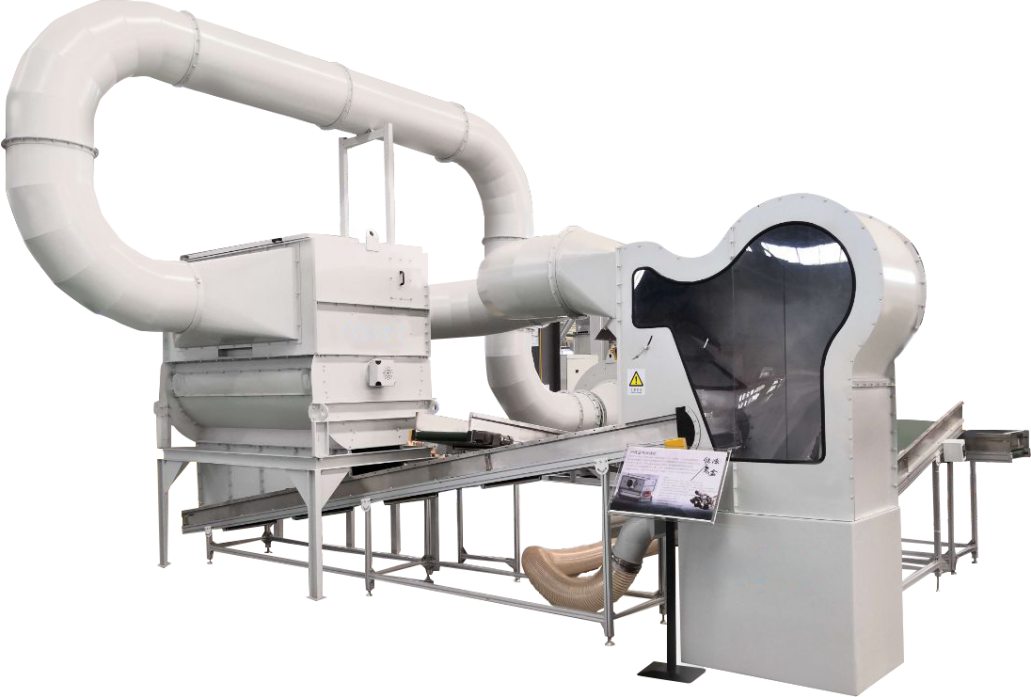
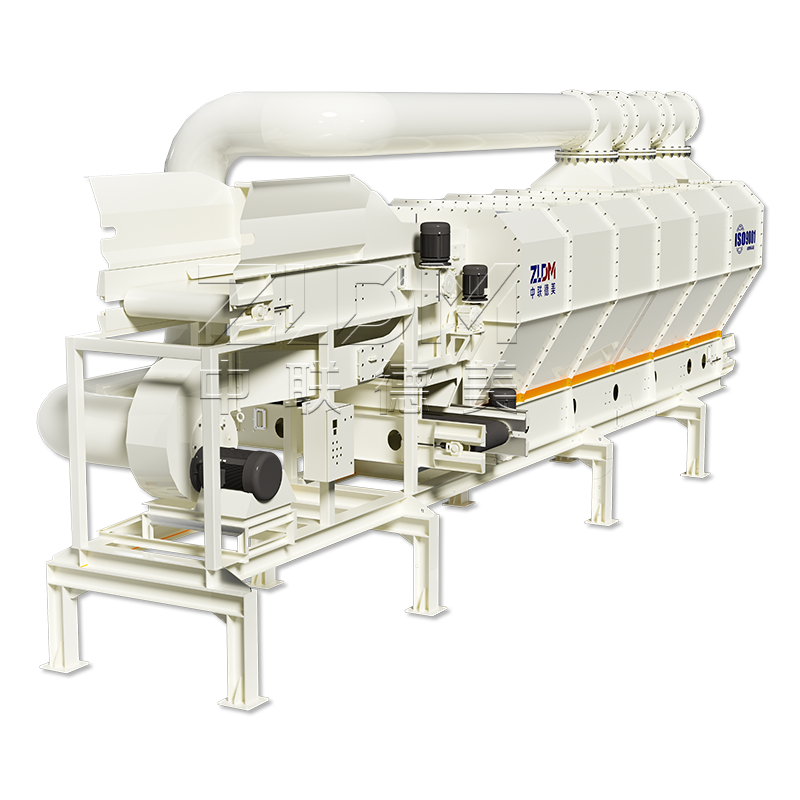
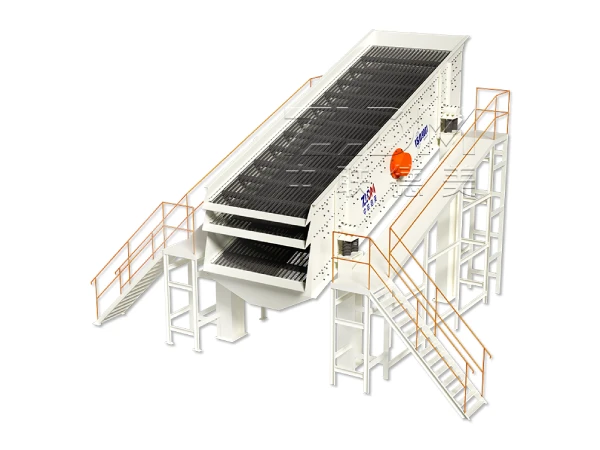
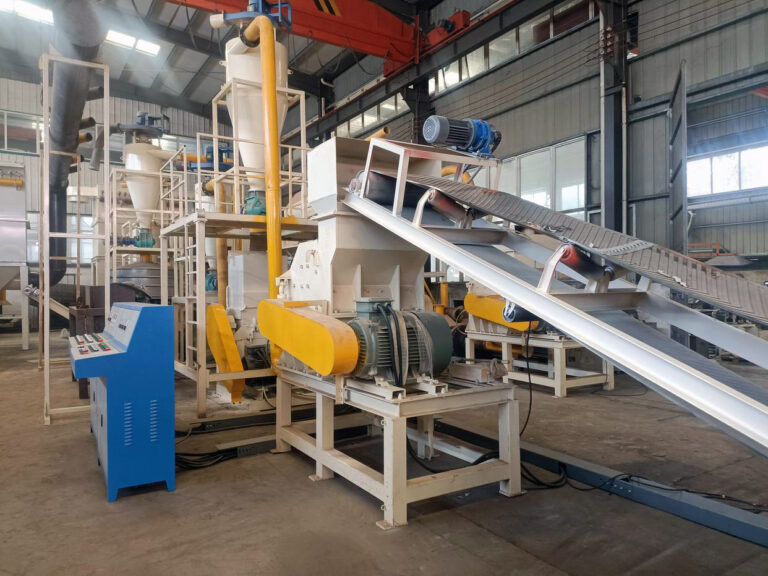
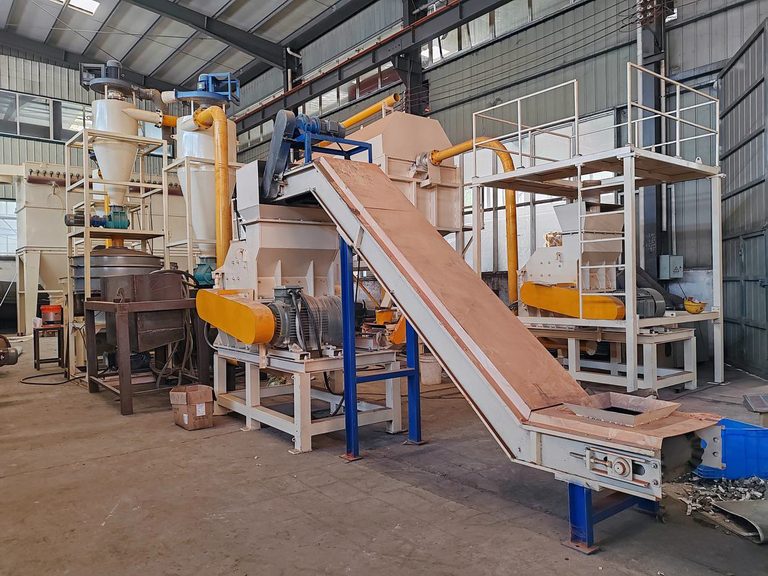
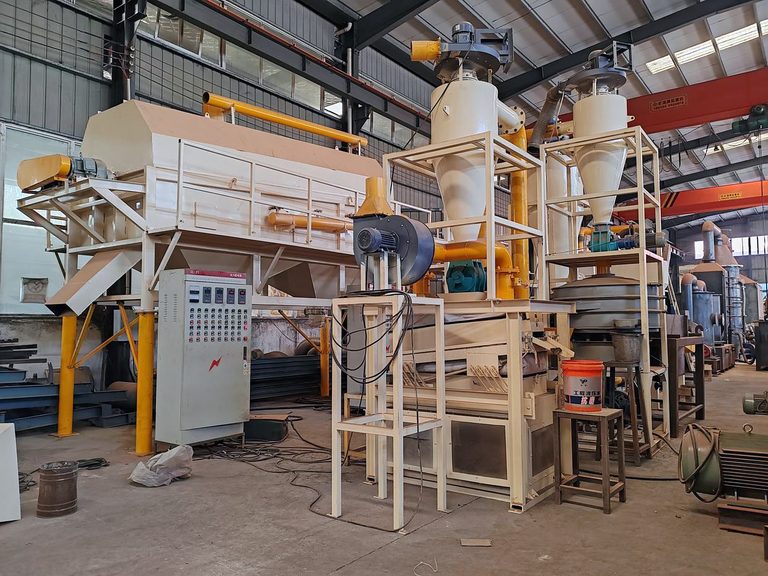
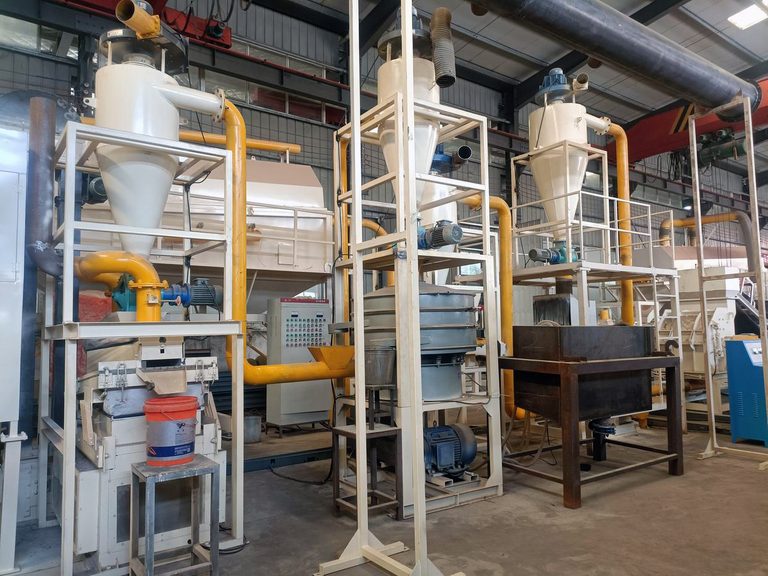
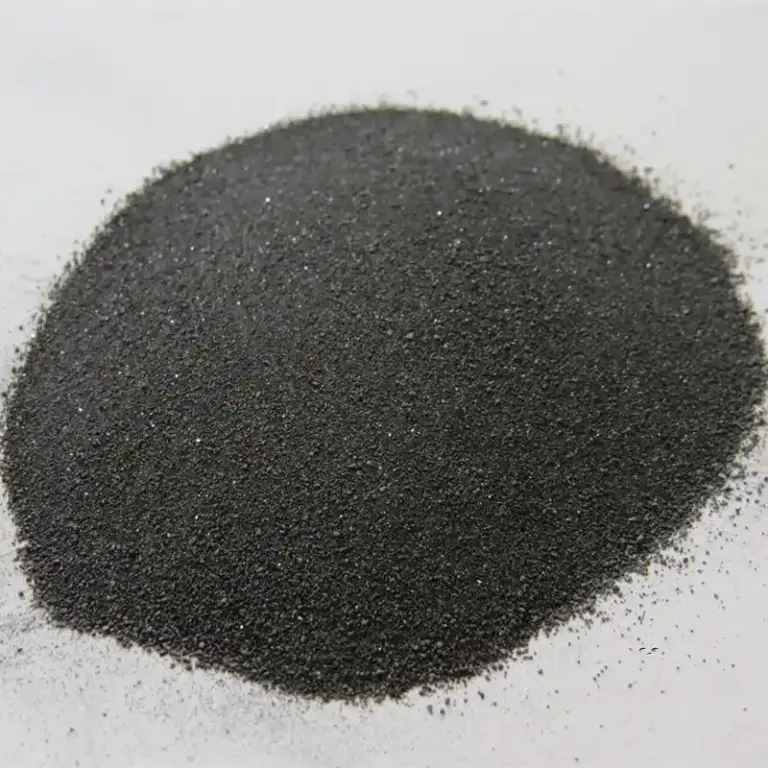
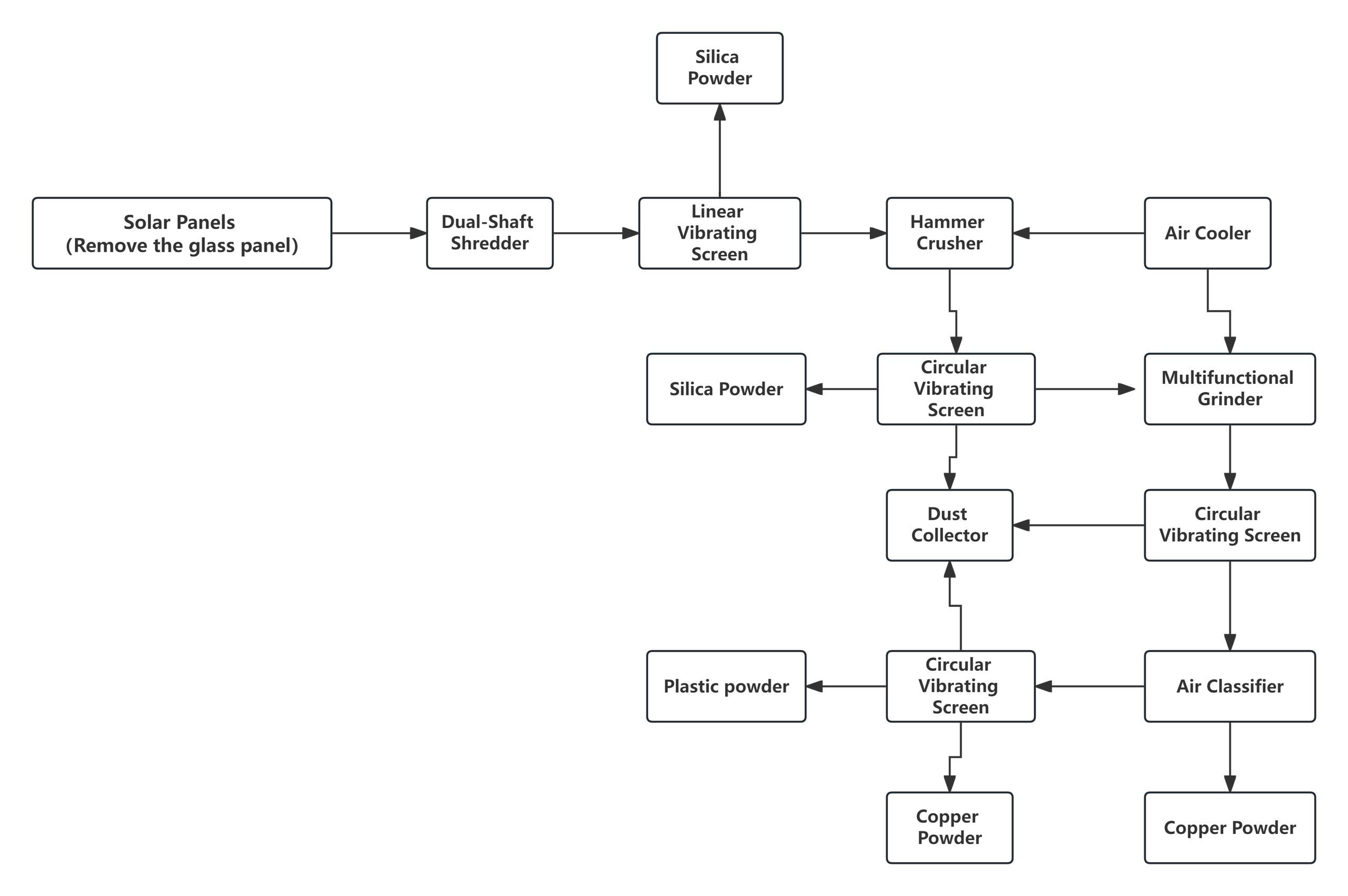
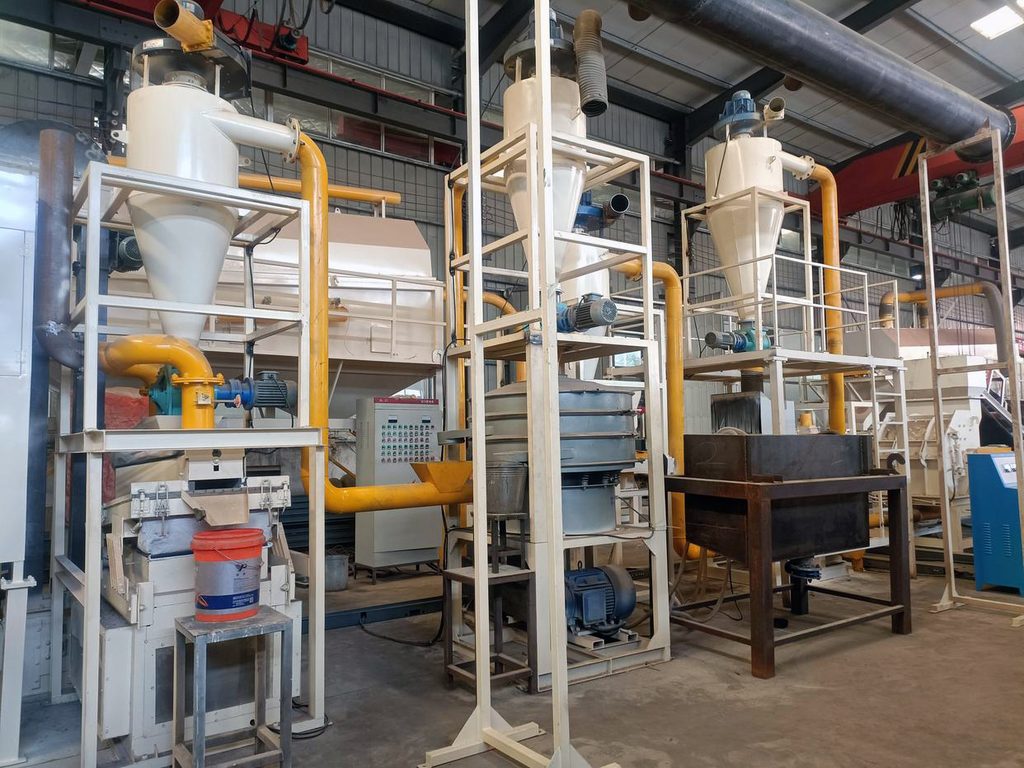
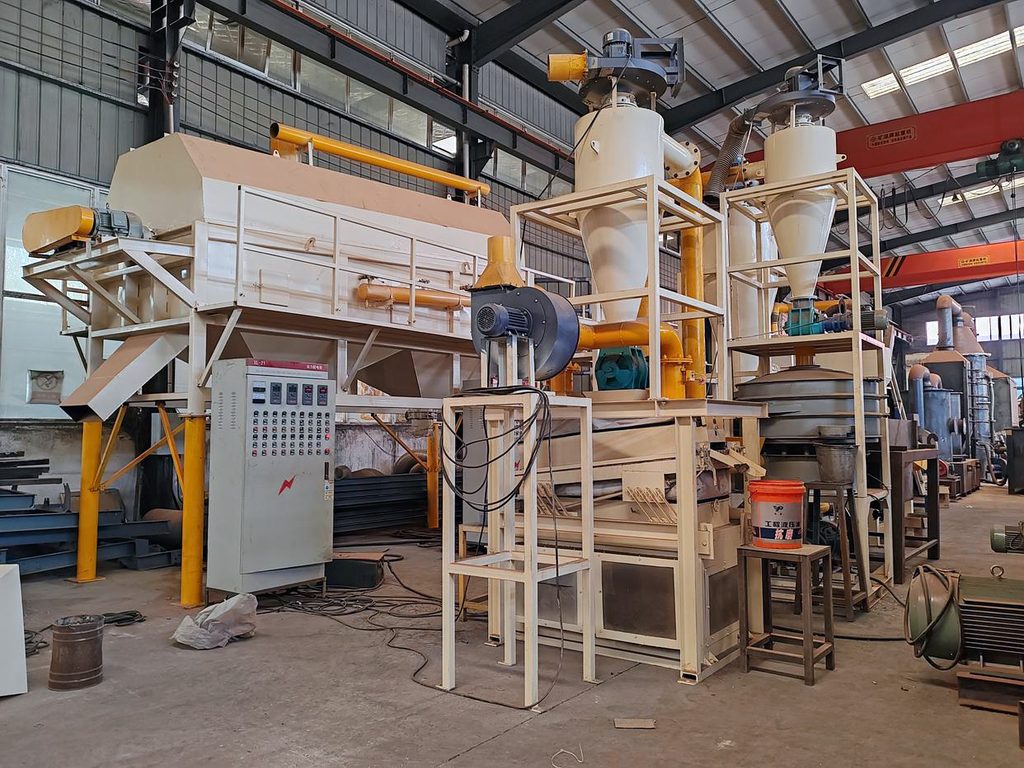
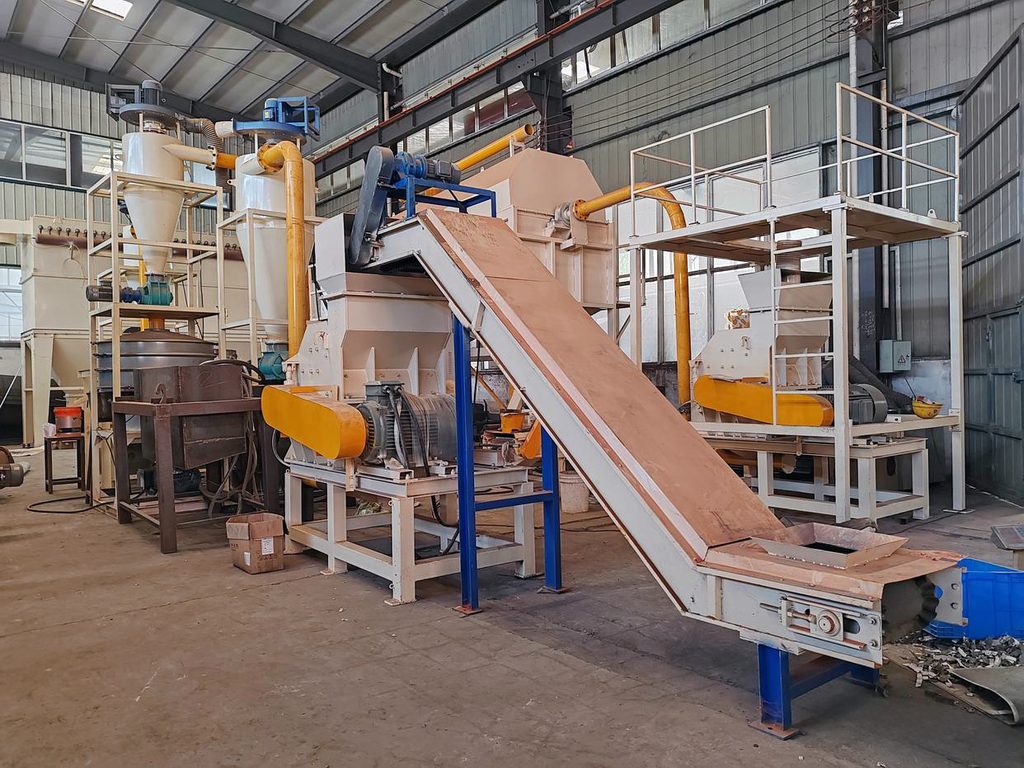
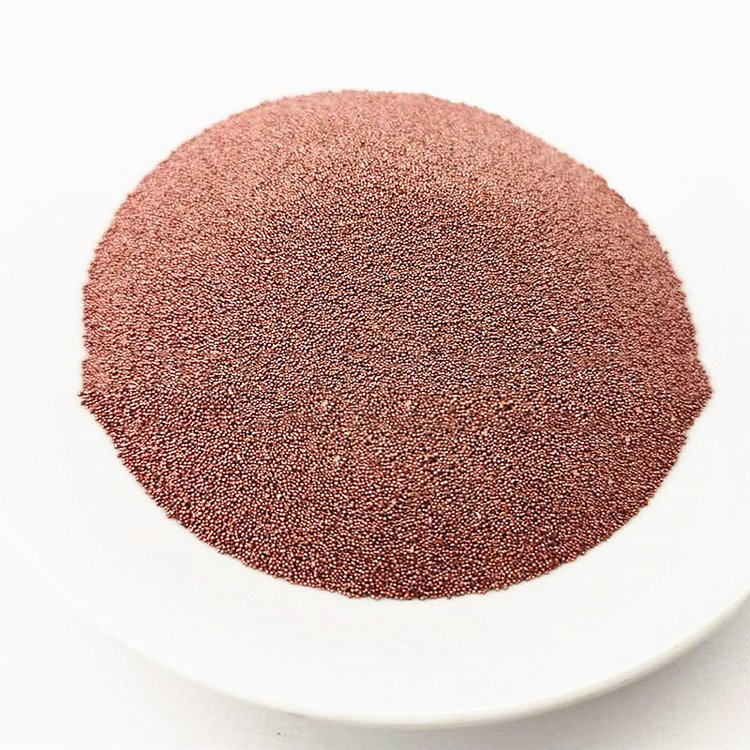
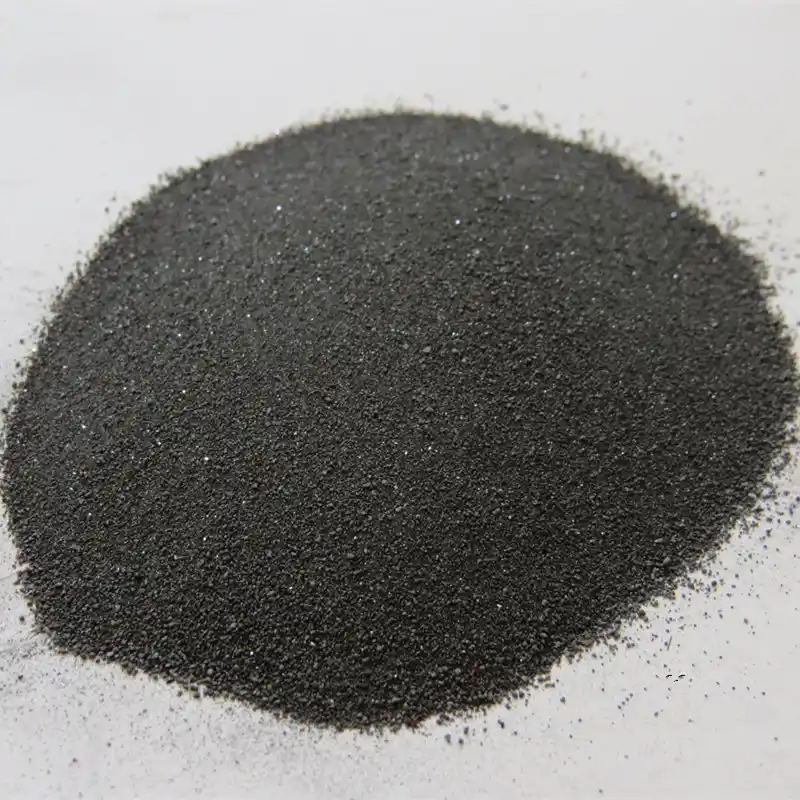
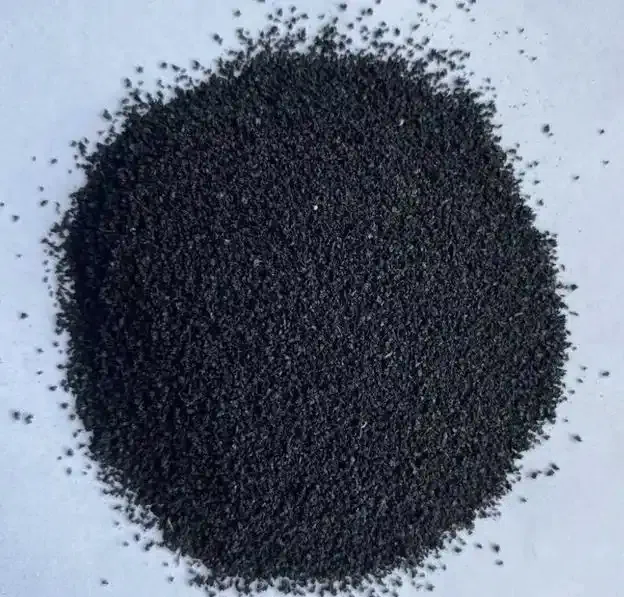
This photovoltaic panel processing equipment uses physical crushing and sorting to extract silicon powder, copper powder, and plastic, all of which have high market value. The recycling of photovoltaic modules generally involves three main steps: First, the modules are disassembled—either mechanically or manually—to remove the backsheet, wires, and aluminum frame; second, the modules are crushed to remove the tempered glass; and third, the remaining solar cells are crushed and sorted to extract metals and plastics.
Process Flow
Resale Value
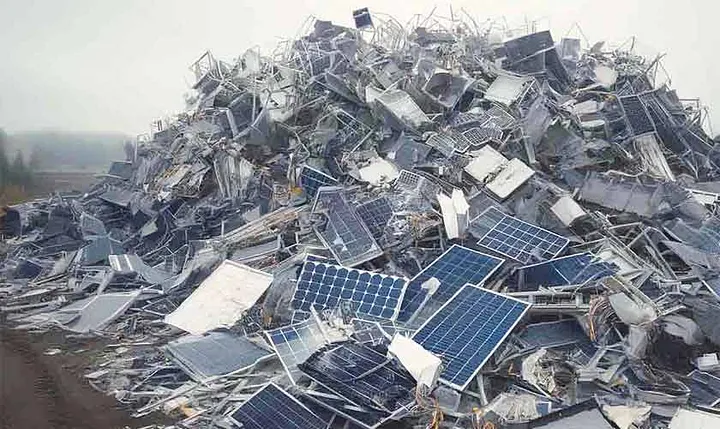
Most of the materials in end-of-life photovoltaic modules can be recycled. They consist of 65%–75% glass, 5%–10% aluminum frames, 10% plastic (encapsulants and backsheets), 3%–5% silicon, 1% copper, and less than 0.1% silver, tin, lead, and other metals, making them extremely valuable for recycling, with a recovery rate of over 95%. Macquarie University in Australia estimates that the economic value of the materials contained in 800,000 metric tons of photovoltaic waste is approximately $1.25 billion.
Since photovoltaic panels contain more than 70% highly transparent glass, this glass can be processed into channel-shaped glass for use as building materials in photovoltaic walls or laid on sidewalks to continue generating electricity; silicon cells can be recycled into powder form for use as heat-dissipating materials, and the precious metal silver they contain can also be reused; the PVDF (polyvinylidene fluoride) in the backsheet can be processed into Teflon, thereby maximizing the recycling value. Recycling photovoltaic panels is low-cost, pollution-free, and the recovered materials can be used to manufacture new photovoltaic panels.
Raw Materials for Applications
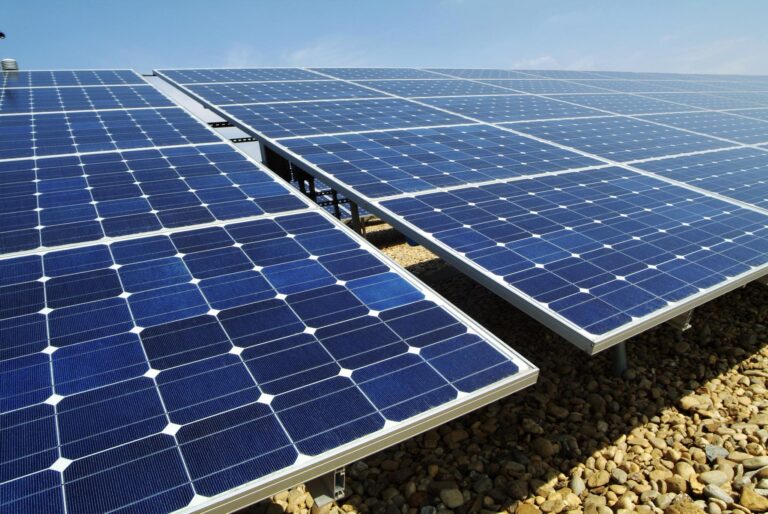
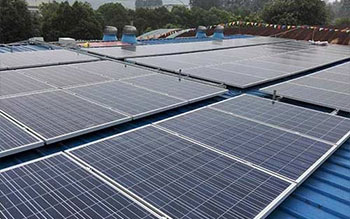
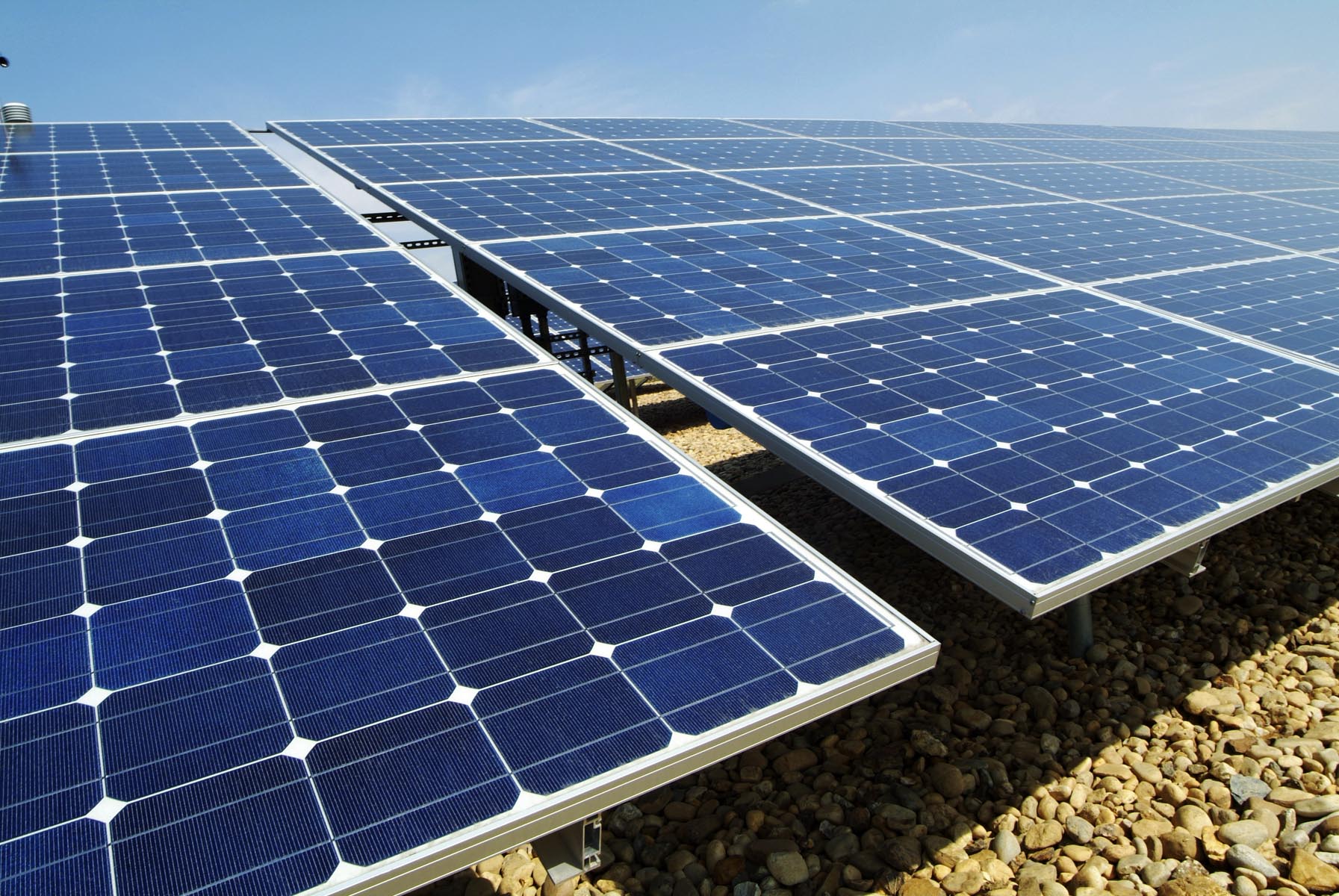
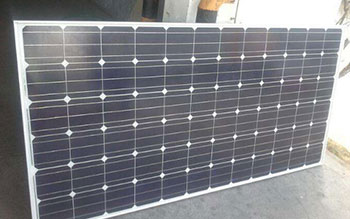
The main components of photovoltaic modules are aluminum frames, glass, solar cells, EVA film, and backsheets. Among these, the primary component of glass is silicon dioxide, with secondary components including soda ash, limestone, magnesium oxide, aluminum oxide, sodium sulfate, and carbon; EVA is primarily ethylene-vinyl acetate copolymer; The core components of solar cells are primarily monocrystalline silicon and polycrystalline silicon; the frame is primarily made of aluminum; and the back sheet consists of two layers of PVF film and one layer of PET film.
Final Product

Request a Customized Solution
We will provide customers with a variety of comprehensive services, including installation and commissioning service, technical training, maintenance, etc.
GET IN TOUCH