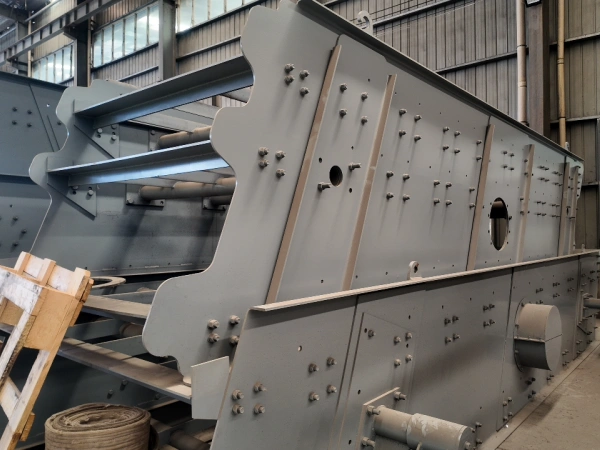
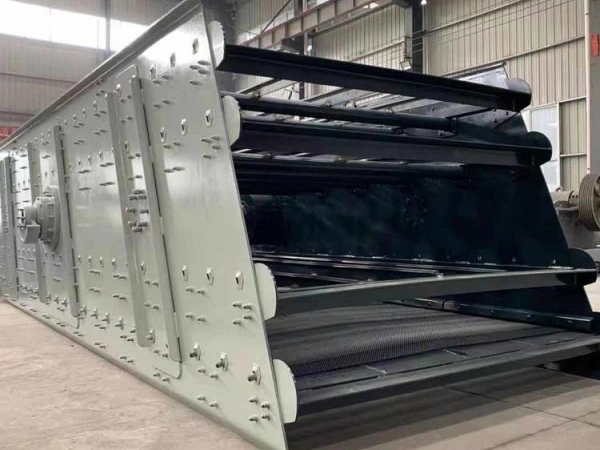
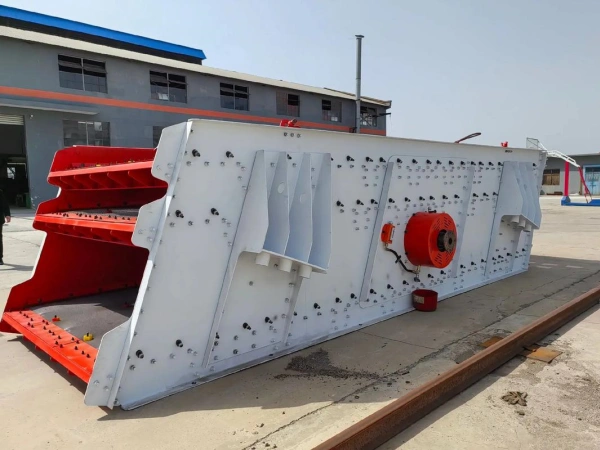
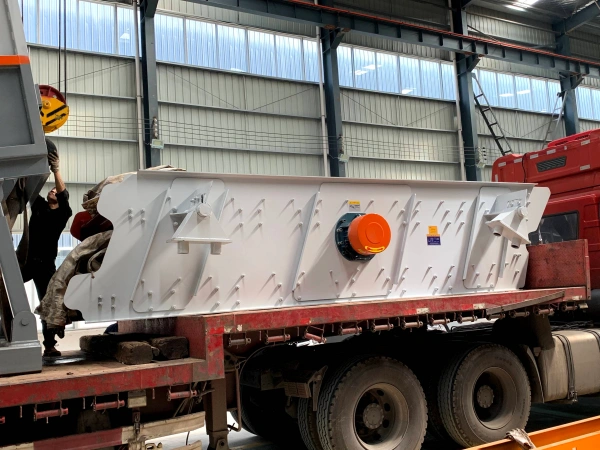
Working Principle
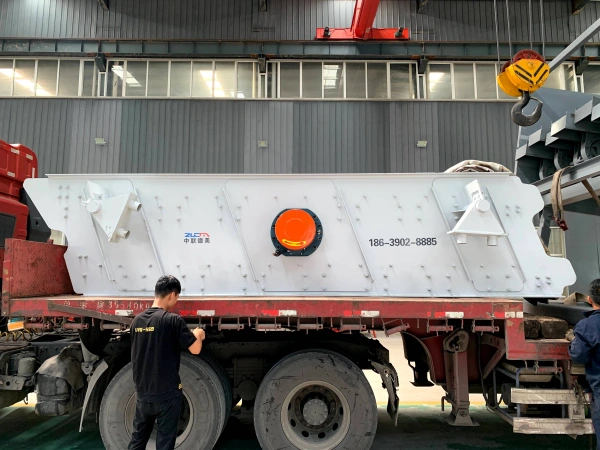
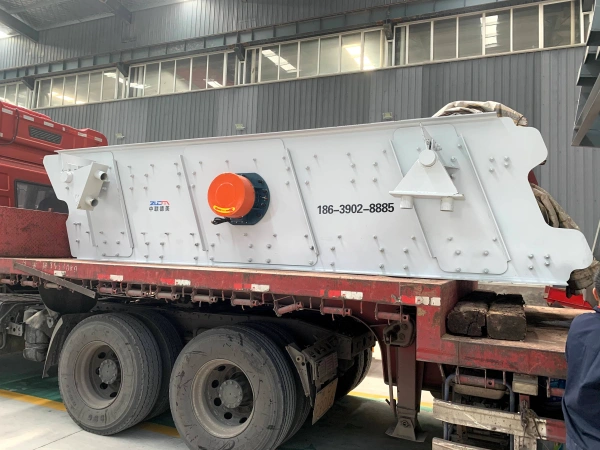
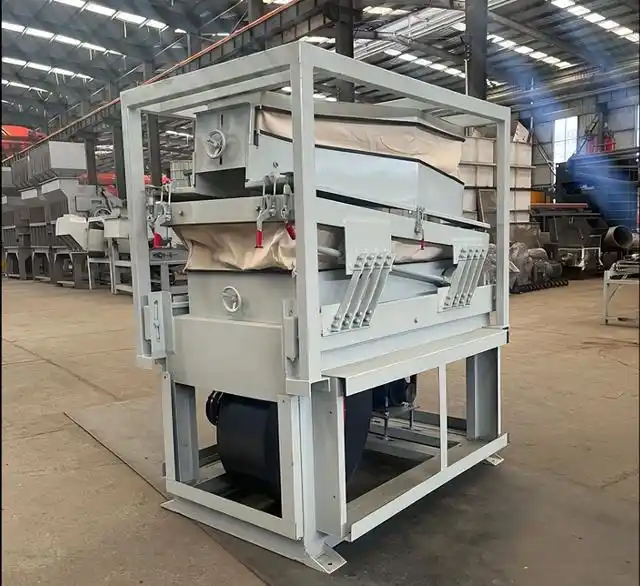
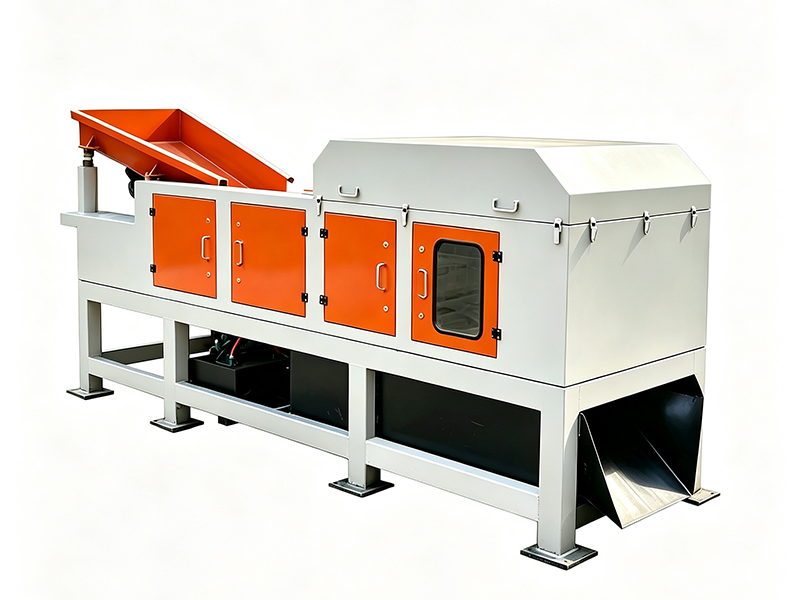
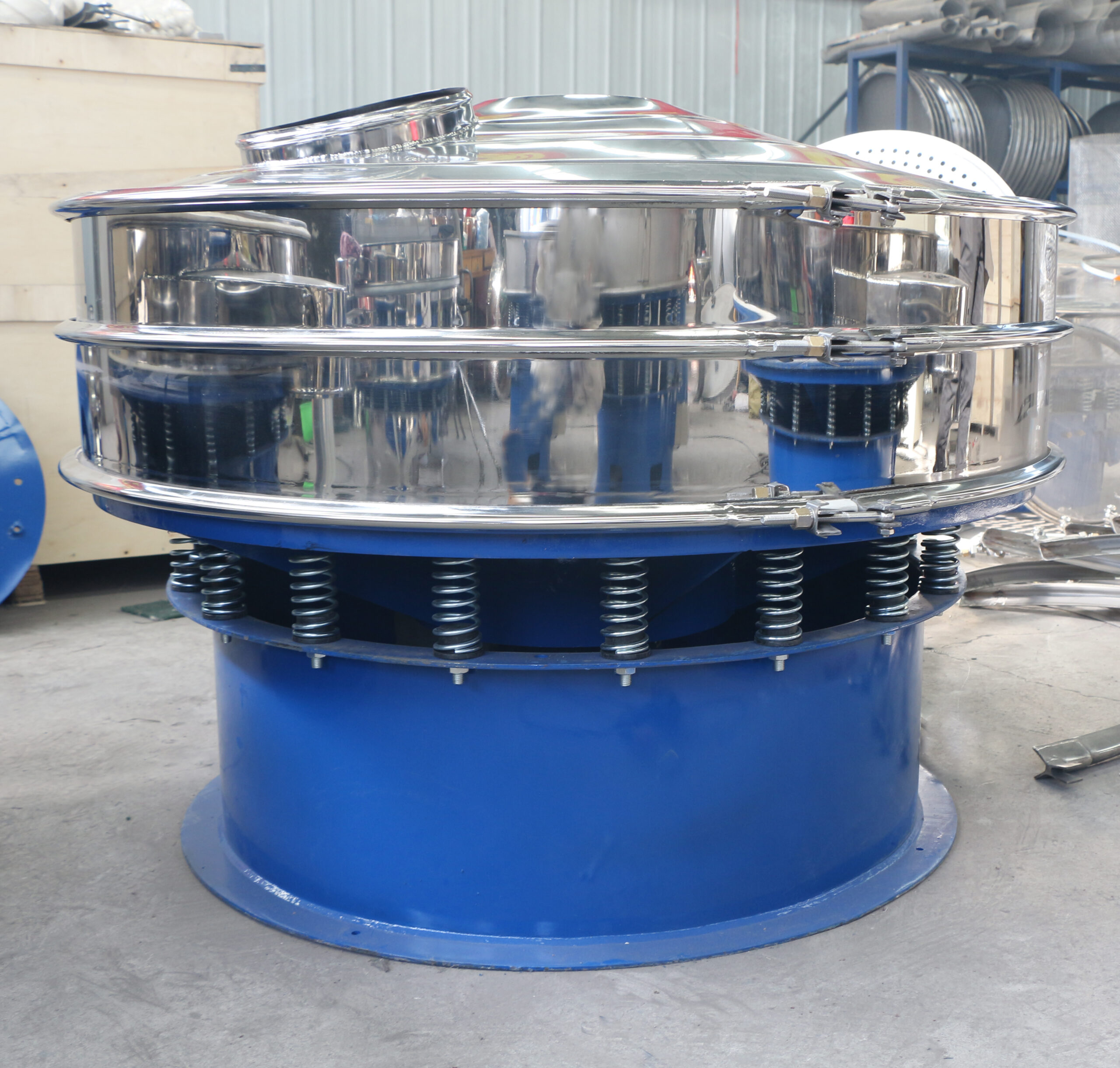
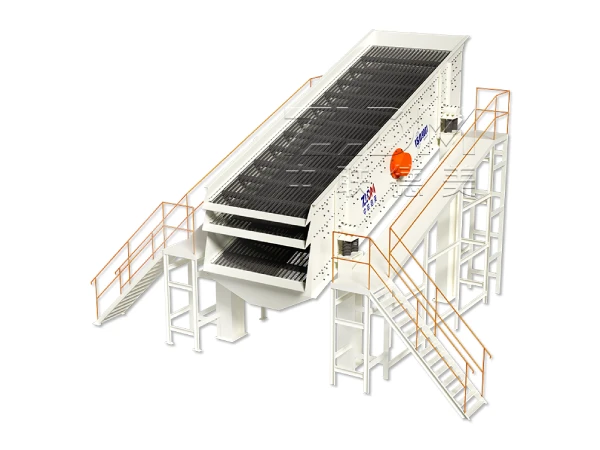
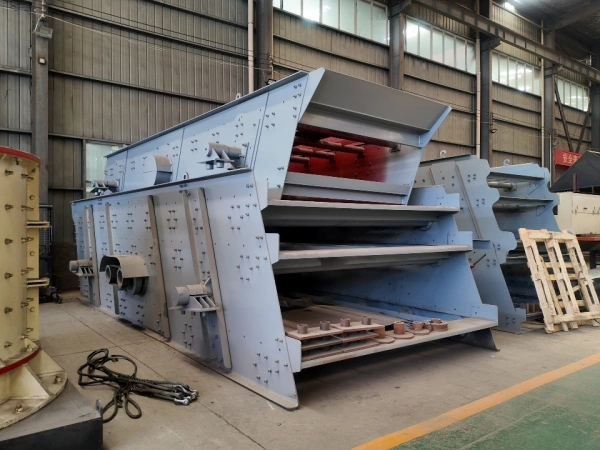
The process of separating a mixture of loose materials of varying particle sizes into several different grades by passing them multiple times through a single-layer or multi-layer screen with uniformly distributed apertures is known as screening. Particles larger than the screen apertures remain on the screen surface and are referred to as the “oversize” for that screen; particles smaller than the apertures pass through the screen and are referred to as the “undersize” for that screen.
The actual screening process works as follows: When a large volume of loose, mixed-size material enters the screen surface, only a portion of the particles come into contact with it. Due to the vibration of the screen box, the layer of material on the screen is loosened, further widening the gaps between the larger particles. Smaller particles take advantage of these gaps to pass through and move to the lower layer or onto the conveyor. Because the gaps between fine particles are small, larger particles cannot pass through. Consequently, the originally disordered arrangement of particles undergoes separation—that is, they are stratified by particle size, forming a pattern where fine particles are at the bottom and coarse particles at the top. Fine particles reaching the screen surface that are smaller than the mesh openings pass through, ultimately achieving the separation of coarse and fine particles and completing the screening process.
However, complete separation does not occur; during screening, a portion of the undersize material typically remains among the oversize material. Although all fine particles passing through the screen are smaller than the mesh openings, their ease of passage varies. Particles whose size is close to that of the mesh openings find it more difficult to pass through, and it is even more difficult for them to pass through the gaps between particles in the lower layer of the screen surface.
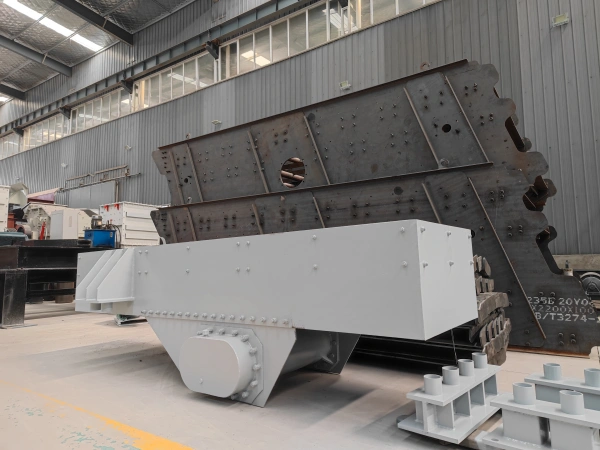
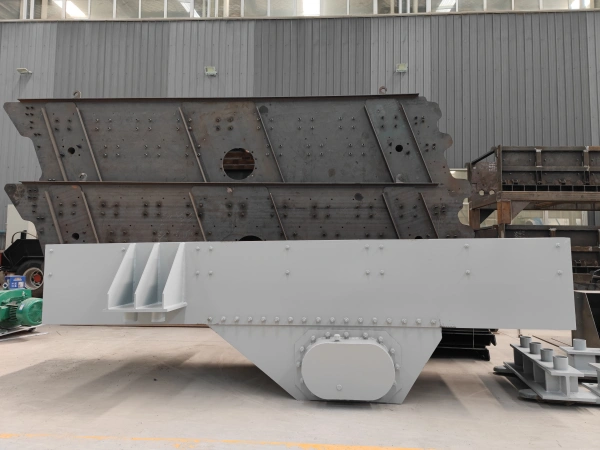
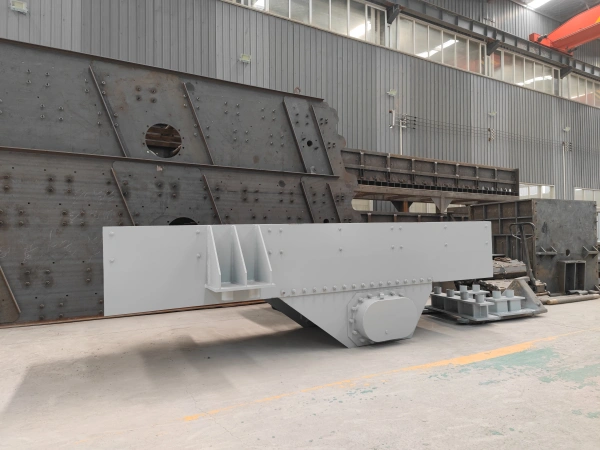
Equipment Advantages
Scope of Application
Vibrating screens have a very wide range of applications, covering virtually every aspect of daily life; various types of vibrating screens are required in processing and manufacturing.
Vibrating screens are primarily used in industries such as mining, coal, smelting, building materials, refractory materials, light industry, chemicals, pharmaceuticals, and food.