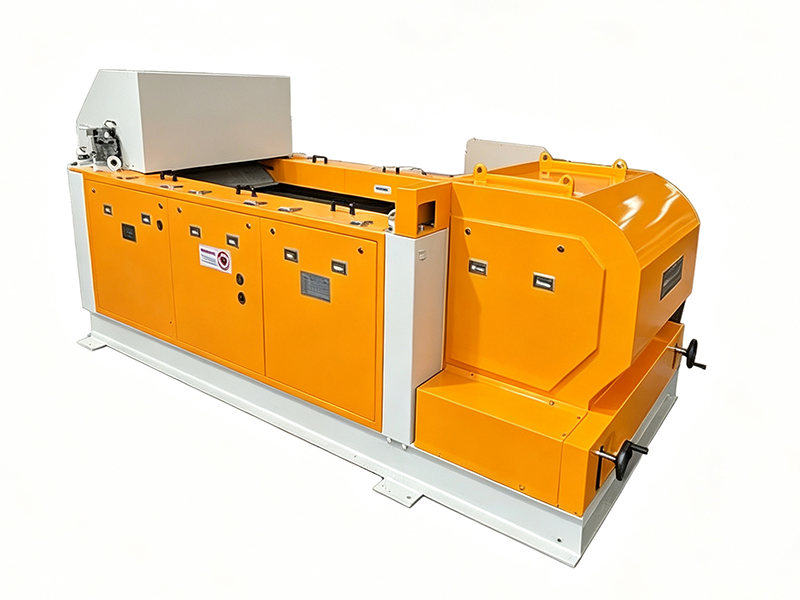
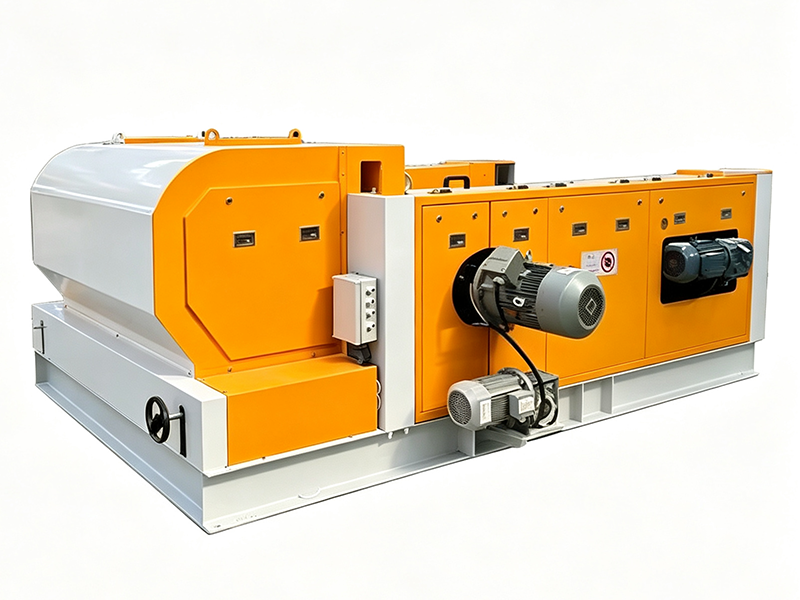
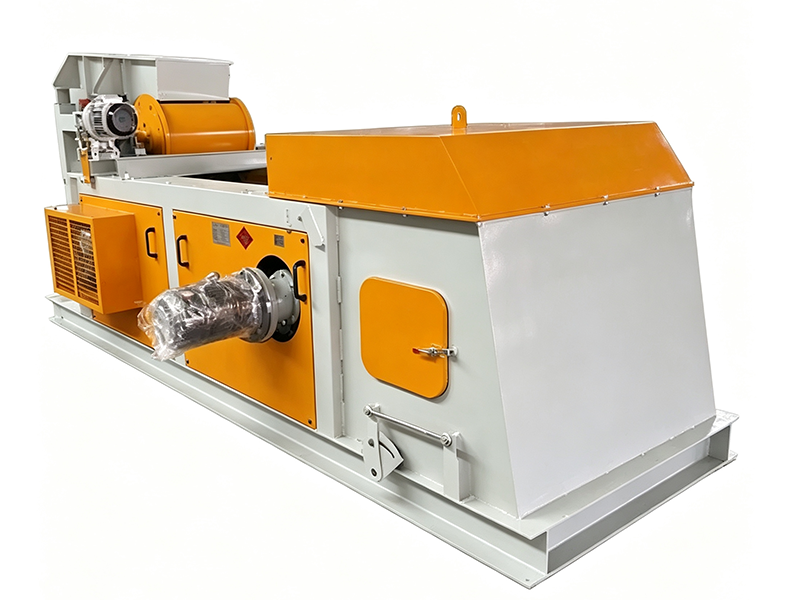
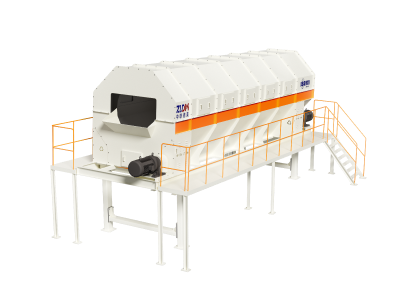
A non-ferrous metal separator is an intelligent sorting device based on the principle of induced eddy currents, specifically designed to separate and recover non-ferrous metals (such as aluminum, copper, zinc, lead, and stainless steel) from mixed scrap. The equipment generates induced eddy currents on the surface of metals through a high-frequency alternating magnetic field.
A non-ferrous metal separator is an intelligent sorting device based on the principle of induced eddy currents, specifically designed to separate and recover non-ferrous metals (such as aluminum, copper, zinc, lead, and stainless steel) from mixed scrap. The equipment generates induced eddy currents on the surface of metals through a high-frequency alternating magnetic field.
By utilizing the interaction between the reverse magnetic field generated by these eddy currents and the original magnetic field, it achieves precise separation of different non-ferrous metals. As a core piece of equipment in the modern resource recovery industry, the non-ferrous metal separator significantly improves recovery efficiency and metal purity, making it a key device for realizing a circular economy.
Video show
Performance Features
High-Precision Intelligent Sorting
High Recognition Accuracy
Utilizing advanced electromagnetic induction technology, the system can accurately detect metal particles ranging from millimeters to several centimeters in size, achieving a recognition accuracy of 95%–99% for different metals (such as copper, aluminum, and stainless steel).
AI-Assisted Sorting
The new-generation equipment integrates an artificial intelligence vision system that assists in identifying metal color, shape, and size, further improving sorting purity and reducing mis-sorting.
High-Efficiency Processing and Energy Efficiency
Powerful Processing Capacity
A single unit can process 3–15 tons per hour (depending on the model), offering 20–50 times the efficiency of manual sorting and significantly reducing labor costs.
Energy Efficiency and Environmental Protection
The sorting process is purely physical, requiring no chemicals or water and causing no secondary pollution. The equipment uses high-efficiency, energy-saving motors, reducing energy consumption by 30%–40% compared to traditional sorting methods.
Stability, Reliability, and Intelligent Control
Durable Core Components
The sorting drum is made of special wear-resistant materials, with a service life exceeding 10,000 hours; the electromagnetic system is equipped with high-efficiency cooling devices, supporting 24-hour continuous operation.
Intelligent Control System
Features a touchscreen interface supporting one-click parameter settings, sorting mode memory, automatic fault diagnosis, and remote monitoring, ensuring simple operation and low maintenance costs.
Significant Economic Benefits
Enhanced Recycling Value
The purity of sorted non-ferrous metals reaches over 95%, resulting in a 15%–30% higher selling price compared to mixed metals; the payback period is typically 6–18 months.
Reduced Processing Costs
Automated sorting significantly reduces labor requirements, lowering the cost per ton by 60%–80% compared to manual sorting, yielding substantial long-term economic benefits.
Primary Applications
Resource Recovery Industry
End-of-life vehicle dismantling, recycling of waste household appliances, e-waste processing, industrial scrap metal recovery, etc.
Non-ferrous Metal Processing
Scrap recovery from aluminum extrusion plants, copper processing plants, and stainless steel product manufacturers.
Environmental Protection and Solid Waste Treatment
Municipal solid waste sorting, resource recovery from industrial solid waste, and metal recovery from incinerator slag.
Mining and Smelting
Pre-sorting of non-ferrous metal ores; recovery of valuable metals from smelting slag.
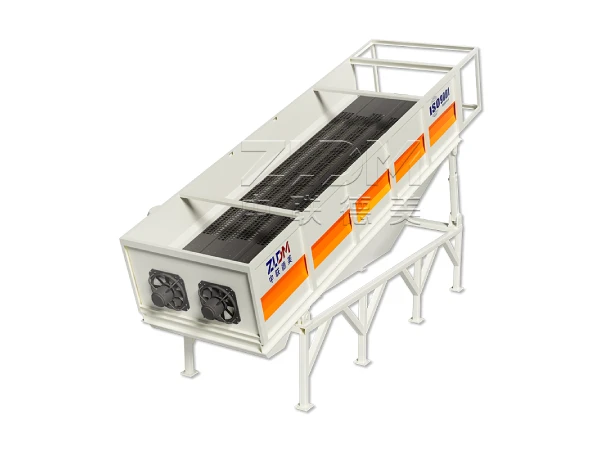
The drum screen can be used for construction waste, domestic waste, stale waste, construction waste, etc. The drum screen is a screening equipment that classifies materials based on their particle size.
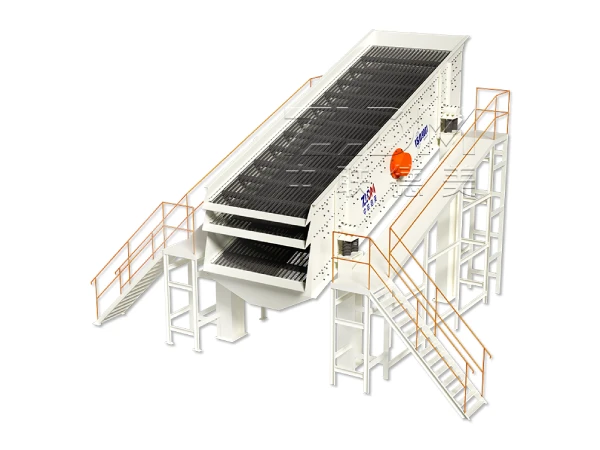
The bouncing screen is a device that sorts materials based on the size, density, and shape of different components in the sorted materials. It is ideal equipment for handling and sorting domestic waste, old waste, construction waste, decoration waste, and other types of garbage.
The process of separating a mixture of loose materials of varying particle sizes into several different grades by passing them multiple times through a single-layer or multi-layer screen with uniformly distributed apertures is known as screening.
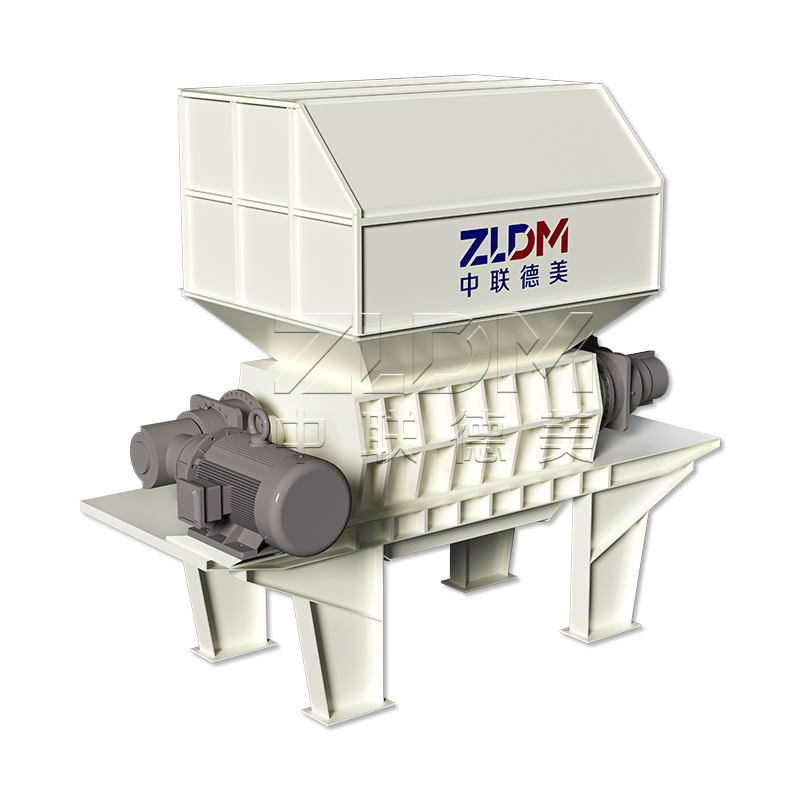
The shredder adopts dual-shaft independent drive, which generates corresponding compression on materials during production to achieve automatic feeding function. With a unique cutter shaft structure and four-corner rotating cutters, it will not experience shaft winding or equipment jamming during low-speed and high-torque operation, thus improving production efficiency.
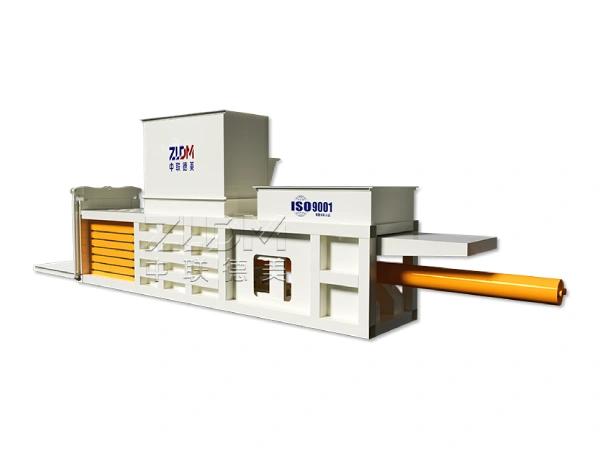
The horizontal hydraulic baling machine uses hydraulic power as its driving force and is driven by a hydraulic cylinder to push the baling cart to complete the baling. The hydraulic system is composed of several parts, including the oil tank, power mechanism (hydraulic pump), control mechanism (control valve), hydraulic pipelines, and actuator (hydraulic cylinder).
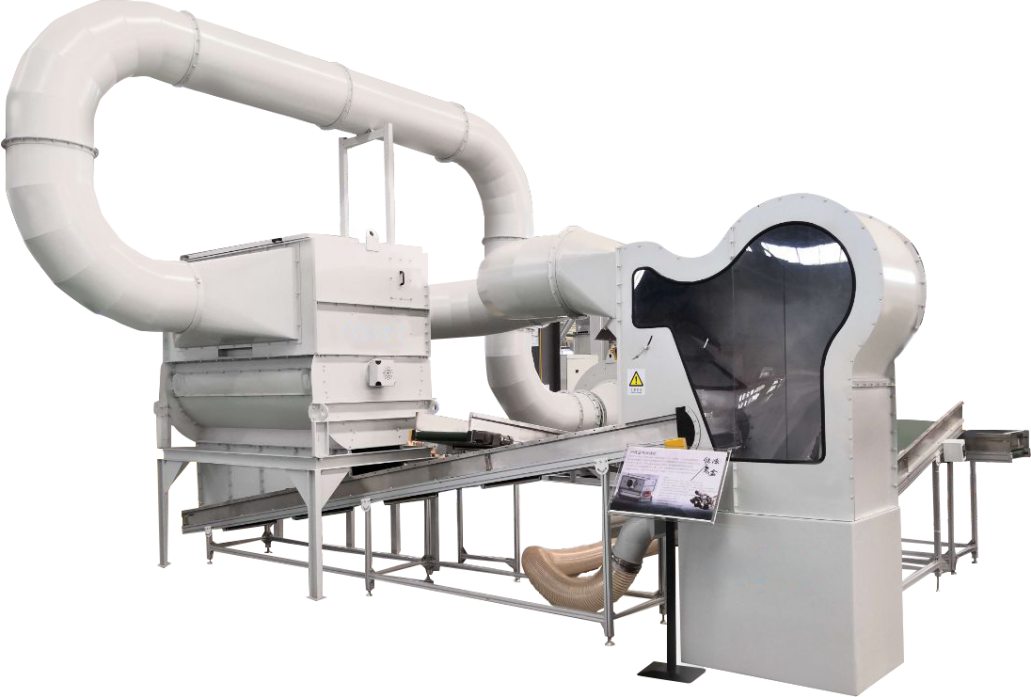
Based on aerodynamics and negative pressure control technology, the negative pressure air separator realizes precise separation of light and heavy materials by utilizing the differences in material density and suspension speed.
We will provide customers with a variety of comprehensive services, including installation and commissioning service, technical training, maintenance, etc.