Product Introduction
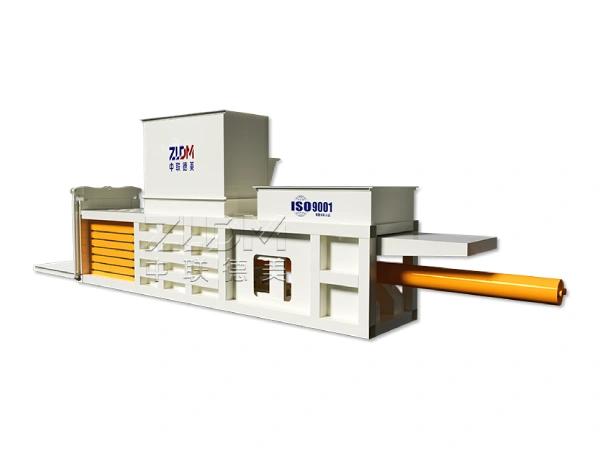
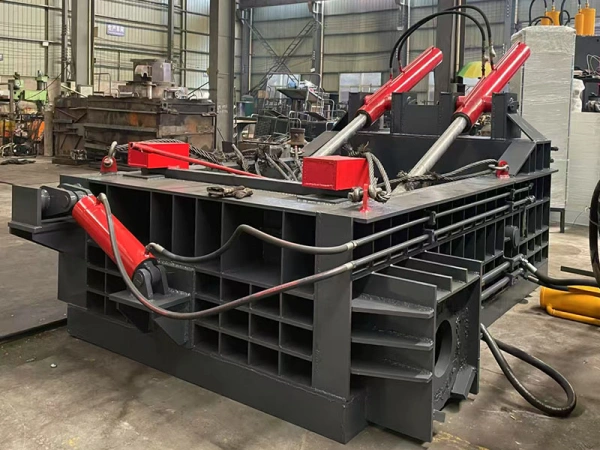
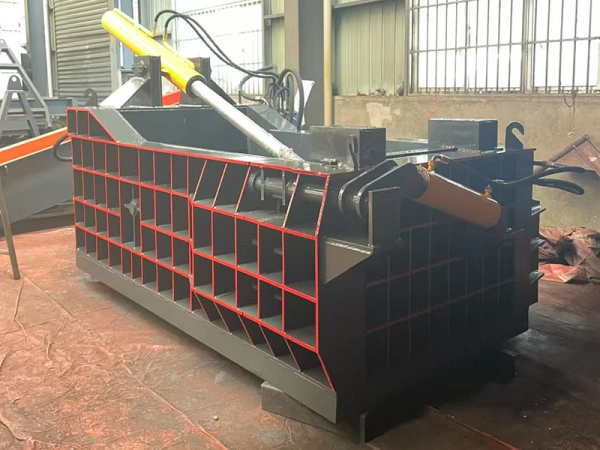
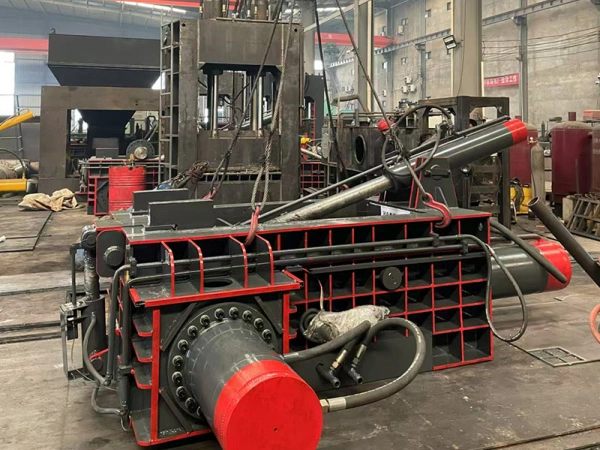
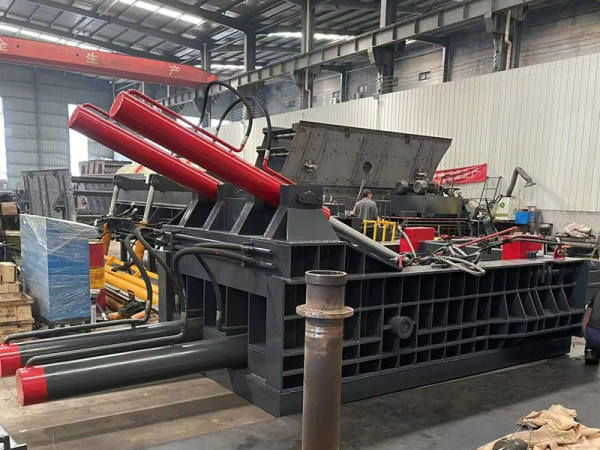
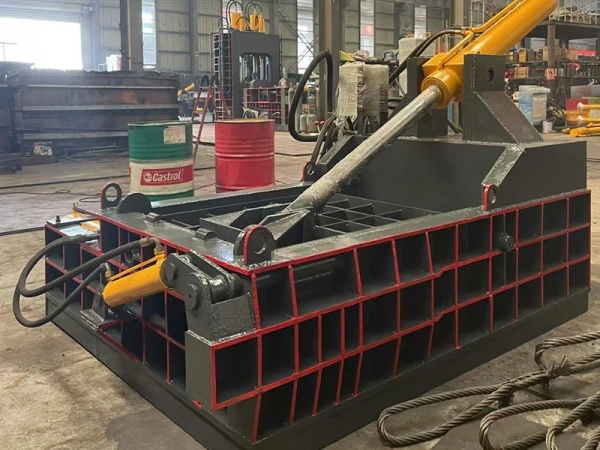
A metal baler (also known as a hydraulic metal briquetting machine) is an industrial machine that utilizes hydraulic drive principles to compress various loose, bulky metal scrap materials—such as scrap steel, scrap iron, scrap aluminum, copper shavings, and end-of-life vehicle bodies—at room temperature into high-density, regular-shaped blocks (such as rectangular or cylindrical blocks). It is an indispensable pretreatment device in the metal recycling, smelting, and machinery manufacturing industries, designed to achieve “volume reduction, cost savings, and resource regeneration.”
Video Show
Performance Features
Maximizing Cost Savings and Efficiency
Significantly reduce logistics costs
The equipment features an extremely high compression ratio (ranging from 5:1 to 10:1), capable of reducing the volume of loose scrap by more than 70%. High-density bales (with some models achieving a density 15% higher than traditional equipment) significantly improve the loading capacity of transport vehicles, directly saving 20%–30% in logistics costs.
Enhanced Scrap Value
The compacted metal blocks feature high density, low oxidation loss, and a uniform shape that facilitates charging into furnaces. This effectively improves smelting efficiency, reduces smelting costs, and increases the resale value of scrap metal.
Superior Performance and Durability
Powerful Drive System
Equipped with a high-flow, high-pressure hydraulic system, the pressure range spans from 63 tons to over 1,000 tons. With stable and robust output, it effortlessly handles the compaction needs of various materials, from aluminum cans to end-of-life vehicle bodies.
Robust and Durable Structure
The core structural components of the machine body are manufactured from high-strength steel plates. These have been optimized through computer-aided finite element analysis and stress-relief treatment to ensure they remain free from deformation or cracking even under long-term, high-load operation. Key hydraulic components are predominantly sourced from renowned domestic and international brands, ensuring an exceptionally long service life and low failure rate.
Intelligent Control and Flexible Adaptability
Automated Operation
Equipped with a PLC intelligent control system and touchscreen interface, it supports one-button operation and can automatically complete the entire process—from feeding and compression to baling and bale discharge—significantly reducing reliance on skilled labor and increasing daily processing capacity.
Versatile Configuration
Offers options for manual valve or PLC automatic control; flexible discharge methods (tilting, side-push, front-push, etc.); supports diesel engine operation in power-free environments; supports customization of hopper dimensions, block shapes (rectangular, octagonal, cylindrical), and special pressure ratings based on customer requirements.
Safety and Environmental Protection
Multi-layered Safety Protection
Equipped with overload protection, emergency stop buttons, safety door locks, and intelligent anti-mistake programs to effectively prevent operational errors and ensure the safety of personnel and equipment.
Eco-Friendly
Cold-state compaction requires no additives, reduces the accumulation of metal scrap and associated land use, prevents the uncontrolled flow of waste liquids (such as cutting oil), and complies with environmental recycling requirements.
Primary Applications
Metal Recycling and Regeneration Industry
Scrap metal collection centers and recycling companies, for the centralized processing and transshipment of scrap materials.
Metallurgy and Foundry Industry
Steel mills and non-ferrous metal smelters, for the preparation of high-density furnace charge meeting quality standards.
Automotive Dismantling and Appliance Recycling
End-of-life vehicle dismantling facilities and used appliance processing centers, for the rapid processing of vehicle bodies and metal casings from appliances.
Machining and Manufacturing
Machining shops, stamping plants, and hardware factories, for the recovery and processing of production scraps and swarf.
Typical Materials Processed
Ferrous Metals: Scrap steel, car bodies, rebar, steel plates, steel shavings, iron filings, machine tool scrap, oil drums, and paint cans.
Non-ferrous Metals: Aluminum profiles, aluminum shavings, copper wire, copper shavings, aluminum alloy wheels, beverage cans, aluminum battery casings, titanium shavings, etc.
Other Scrap: Dismantled computer cases, silicon steel sheet scraps, oil filters, etc.
Technical Parameter
| Equipment Model | Rated thrust (tons/kN) | Equipment Dimensions (L × W × H mm) | Bin dimensions (L × W × H mm) | Block size (mm) | Rated power (kW) | Equipment Weight (T) |
| Y81-63 | 63 (630KN) | 3255×2000×1698 | 1000×600×500 | 190×190 / 200×200 | 7.5 | 4 |
| Y81-100 | 100 (1000KN) | 3255×2000×1700 | 1000×700×550 | 230×230 / 250×250 | 11 | 4.5 |
| Y81-125 | 125 (1250KN) | 3255×2098×1947 | 1200×700×600 | 300×300 | 15 | 5 |
| Y81-160 | 160 (1600KN) | 4265×3880×2535 | 1600×1200×800 | 400×400 | 22 / 30 | 9.5 |
| Y81-200 | 200 (2000KN) | 5420×4020×2795 | 1800×1400×900 | 400×400 / 450×450 | 37 / 44 | 15 |
| Y81-250 | 250 (2500KN) | 5820×4530×3285 | 2000×1750×1200 | 500×500 / 600×600 | 44 / 60 | 25 |