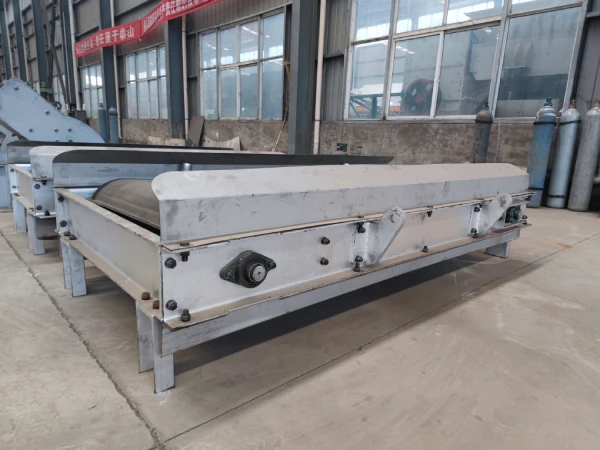
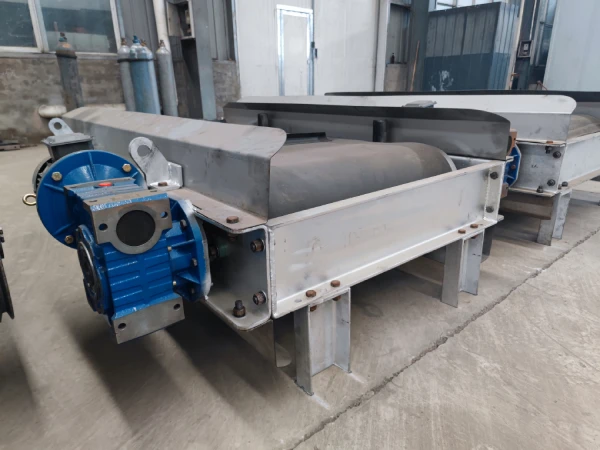
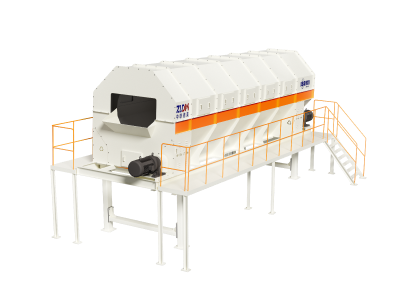
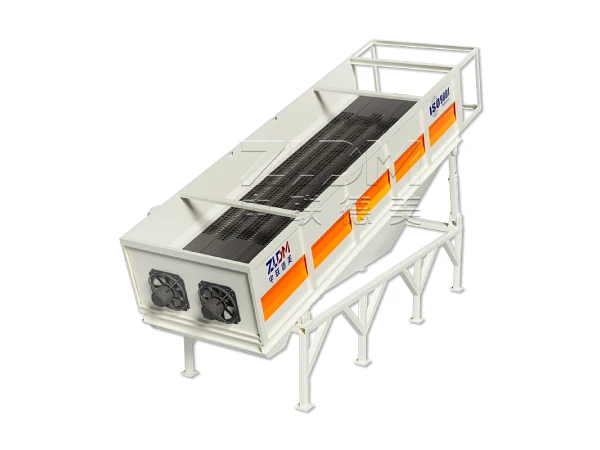
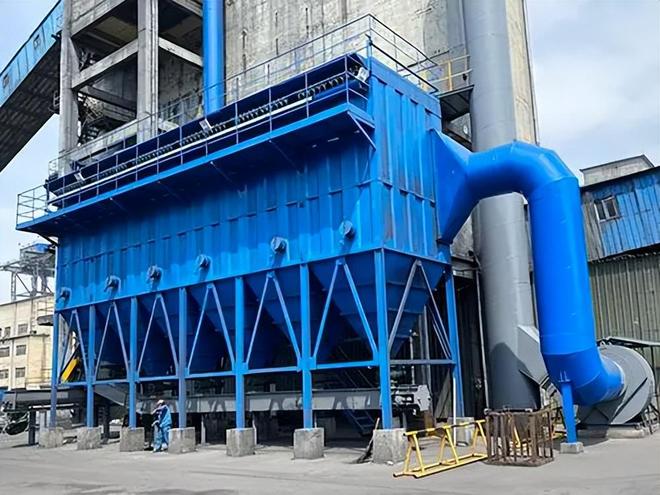
Ferrous metal magnetic separators are core mineral processing equipment that separates magnetic minerals (such as iron, manganese, and chromium) from non-magnetic materials by exploiting differences in mineral magnetism and utilizing an uneven magnetic field. They are widely used in the separation and purification of ferrous metal ores, as well as for iron removal in industrial production lines.
Ferrous metal magnetic separators are core mineral processing equipment that separates magnetic minerals (such as iron, manganese, and chromium) from non-magnetic materials by exploiting differences in mineral magnetism and utilizing an uneven magnetic field. They are widely used in the separation and purification of ferrous metal ores, as well as for iron removal in industrial production lines.
Depending on the magnetic strength and physical state of the processed material (dry feed or slurry), these machines are primarily classified into two categories: weak-field magnetic separators (for highly magnetic minerals) and strong-field/high-gradient magnetic separators (for weakly magnetic minerals). They are essential equipment for improving ore grade, reducing smelting costs, and achieving resource recovery.
Video show
Performance Features
High separation accuracy and excellent recovery rates
High-efficiency concentration
For strongly magnetic minerals such as magnetite, single-pass recovery rates can reach over 95%, and can be increased to 98% with optimized processes—far exceeding traditional methods such as gravity separation. For weakly magnetic minerals such as hematite and manganese ore, combined with high-gradient technology, concentrate grades can be improved by 8%–15%.
Precise impurity removal
Effectively removes iron impurities from gangue minerals such as quartz and feldspar, significantly improving concentrate purity and meeting the whiteness and purity requirements for high-end smelting or non-metallic materials (e.g., kaolin, quartz sand).
Environmentally Friendly and Energy-Efficient, with Low Operating Costs
Pollution-Free Physical Separation
Relying solely on the action of a physical magnetic field, it requires no chemical additives such as collectors or frothers, thereby eliminating water and soil pollution and complying with green mining standards.
Low-carbon and low-consumption
Mainstream permanent magnet separators utilize permanent magnets to generate magnetic fields, eliminating the need for continuous power consumption for excitation (only drive components consume power). Energy consumption per unit of processed material is only 1/3 to 1/5 that of a flotation machine. Additionally, there are no costs associated with chemical procurement and storage, reducing the processing cost per ton of ore by 20%–40%.
Robust, Durable, and Easy to Maintain
Extended Service Life
The core magnetic sources (such as neodymium-iron-boron permanent magnets) have a lifespan of 5–20 years with minimal magnetic field decay; the separation tank is lined with wear-resistant ceramic tiles or high-manganese steel to withstand harsh operating conditions.
The new generation of vertical-ring high-gradient magnetic separators features a vertical rotation and backflush concentrate design, combined with a slurry pulsation mechanism, fundamentally resolving the clogging issues common in traditional horizontal-ring magnetic separators and enabling 24-hour continuous operation.
Easy Operation
With a relatively simple structure and equipped with a PLC automatic control system, the unit supports one-button start/stop and parameter adjustment, offering long maintenance intervals and minimal downtime.
Primary Applications
Ferrous Metal Mining
Separation and purification of magnetite, hematite, limonite, manganese ore, chromite, ilmenite, and vanadite.
Metallurgy and Steel Industry
Steel slag treatment and scrap steel recovery in steel mills; foundry sand purification; and iron removal from raw materials in sintering plants.
Non-metallic Mineral Purification
Deep iron removal and purification of quartz sand, feldspar, kaolin, refractory materials, and raw materials for glass and ceramics.
Environmental Protection and Resource Recovery
Recovery of valuable ferrous metals from municipal solid waste and industrial solid waste (e.g., fly ash, tailings ponds); separation of magnetic flocs in wastewater treatment.
Typical Materials Processed
Strongly magnetic minerals: magnetite, pyrrhotite, roasted ore, ilmenite, etc. (suitable for wet/dry weak magnetic separators).
Weakly magnetic minerals: hematite, limonite, siderite, manganese ore, chromite, etc. (requires high-gradient strong magnetic separators).
Others: Scrap car bodies, scrap metal shavings, furnace slag, foundry sand, etc.
Technical Parameter
Equipment Model
Cylinder dimensions (diameter × length) mm
Cylinder speed (rpm)
Feed particle size (mm)
Processing capacity (t/h)
Rated power (kW)
Equipment weight (kg)
ZL-6012
600×1200
40
2-0
10-20
1.1
990
ZL-6018
600×1800
40
2-0
15-30
2.2
1330
ZL-7512
750×1200
35
2-0
15-30
3
1500
ZL-7518
750×1800
35
2-0
20-45
3
2100
ZL-9018
900×1800
28
3-0
25-55
4
2900
ZL-9021
900×2100
28
3-0
35-60
4
3200
ZL-9024
900×2400
28
3-0
35-70
4
3500
ZL-1018
1050×1800
22
3-0
40-75
5.5
4000
ZL-1021
1050×2100
22
3-0
45-88
5.5
4500
ZL-1024
1050×2400
22
3-0
52-100
5.5
5000
ZL-1030
1050×3000
22
3-0
65-125
7.5
6200
ZL-1218
1200×1800
19
3-0
47-90
5.5
5800
ZL-1224
1200×2400
19
3-0
82-120
7.5
6200
ZL-1230
1200×3000
19
3-0
80-150
7.5
6200
ZL-1530
1500×3000
14
3-0
90-170
11
8100
ZL-1540
1500×4000
14
3-0
115-220
11
9300
Table of Contents
Leave a Message
Please feel free to leave a message. We will reply you in 24 hours.
The drum screen can be used for construction waste, domestic waste, stale waste, construction waste, etc. The drum screen is a screening equipment that classifies materials based on their particle size.
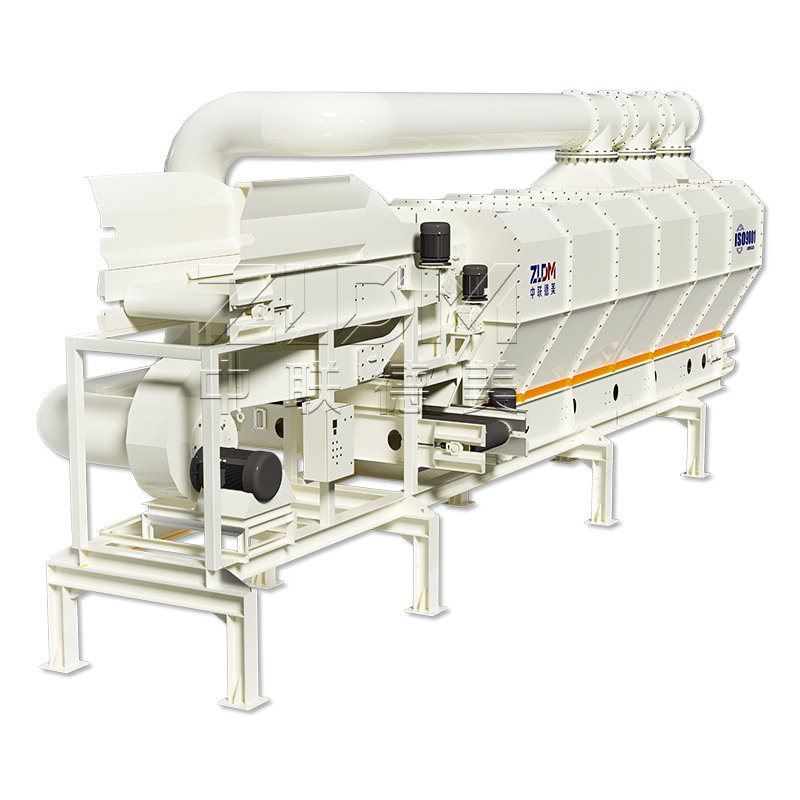
The bouncing screen is a device that sorts materials based on the size, density, and shape of different components in the sorted materials. It is ideal equipment for handling and sorting domestic waste, old waste, construction waste, decoration waste, and other types of garbage.
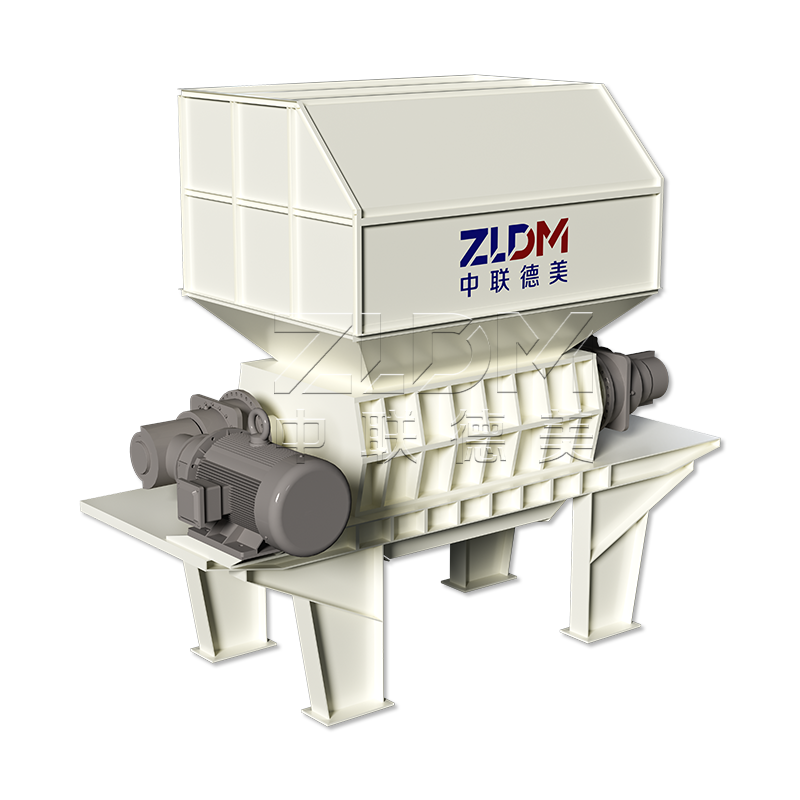
The shredder adopts dual-shaft independent drive, which generates corresponding compression on materials during production to achieve automatic feeding function. With a unique cutter shaft structure and four-corner rotating cutters, it will not experience shaft winding or equipment jamming during low-speed and high-torque operation, thus improving production efficiency.
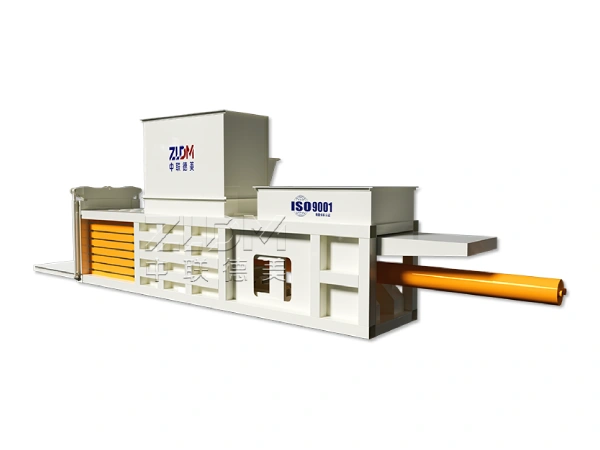
The horizontal hydraulic baling machine uses hydraulic power as its driving force and is driven by a hydraulic cylinder to push the baling cart to complete the baling. The hydraulic system is composed of several parts, including the oil tank, power mechanism (hydraulic pump), control mechanism (control valve), hydraulic pipelines, and actuator (hydraulic cylinder).
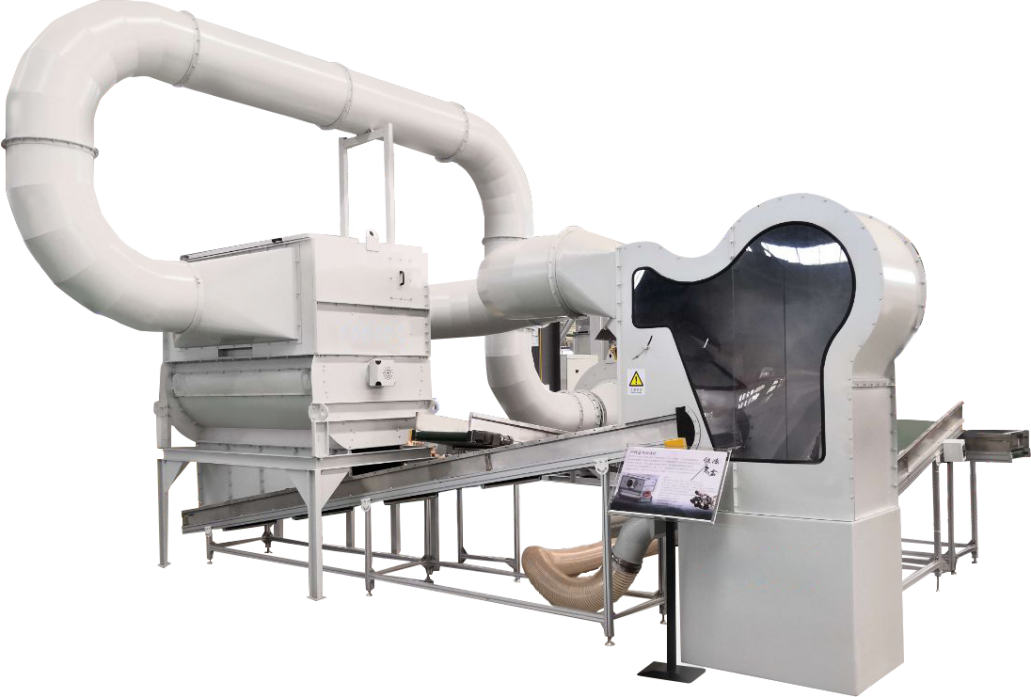
Based on aerodynamics and negative pressure control technology, the negative pressure air separator realizes precise separation of light and heavy materials by utilizing the differences in material density and suspension speed.
The positive pressure air separator is a device that relies on aerodynamic principles to efficiently physically separate mixed materials according to differences in density and specific gravity through controllable positive pressure air flow.
The dust collector primarily consists of a housing, a high-pressure blower, filter bags, a dust collection drawer, a chamber, an air inlet pipe, air ducts, and electrical components. All components are mounted within a vertical frame. The steel plate housing is coated with baked paint to prevent rust, ensuring smooth operation and ease of use.
We will provide customers with a variety of comprehensive services, including installation and commissioning service, technical training, maintenance, etc.