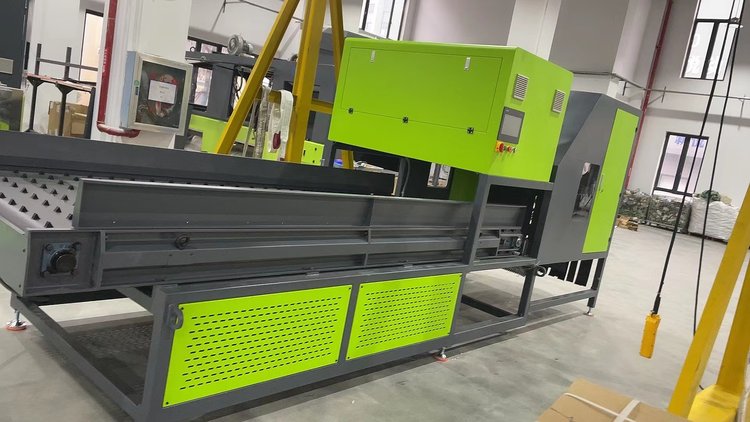
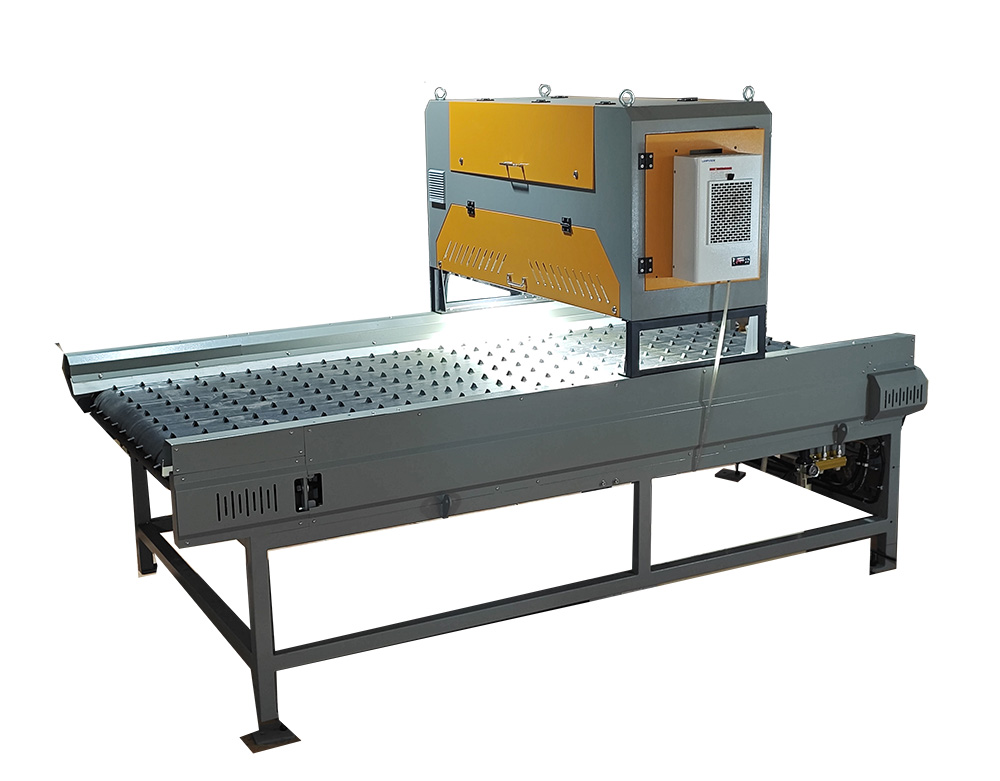
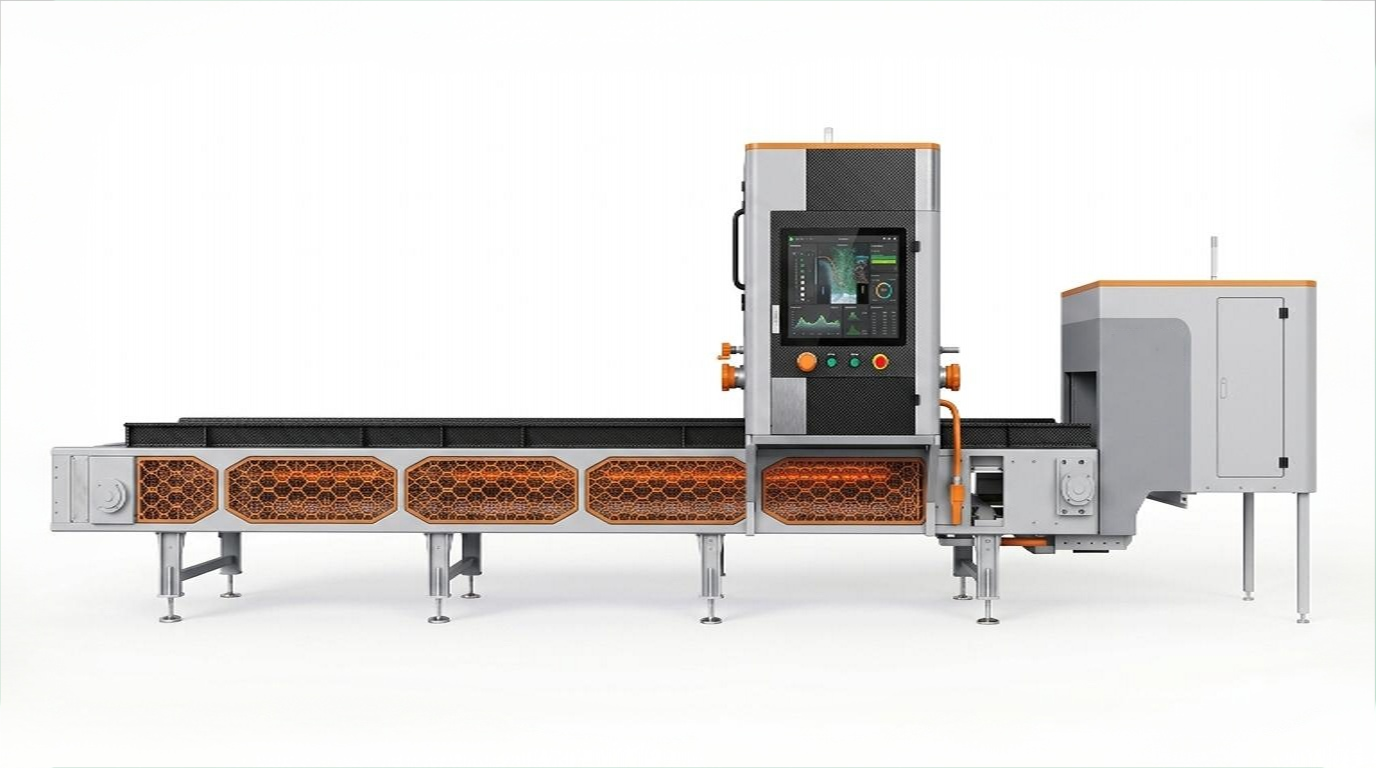
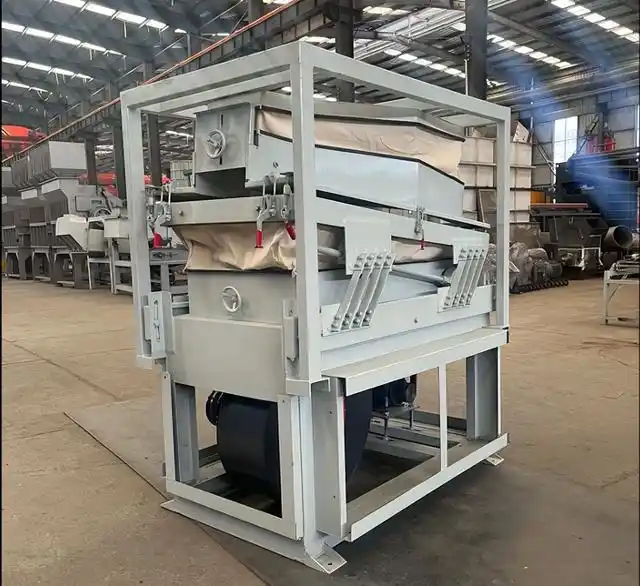
The AI-powered sorting machine is a new-generation intelligent sorting system that integrates deep learning algorithms, hyperspectral imaging technology, and high-precision actuators.
The AI-powered sorting machine is a new-generation intelligent sorting system that integrates deep learning algorithms, hyperspectral imaging technology, and high-precision actuators. Unlike traditional color sorters that rely on fixed parameter comparisons, this device possesses “cognitive” capabilities, enabling it to learn and identify the color, shape, texture, and even the intrinsic properties of materials just like humans. It achieves precise sorting and impurity removal of complex mixed materials and is widely used in fields such as resource recycling, mineral processing, food processing, and the selection of traditional Chinese medicinal materials.
Working Principle
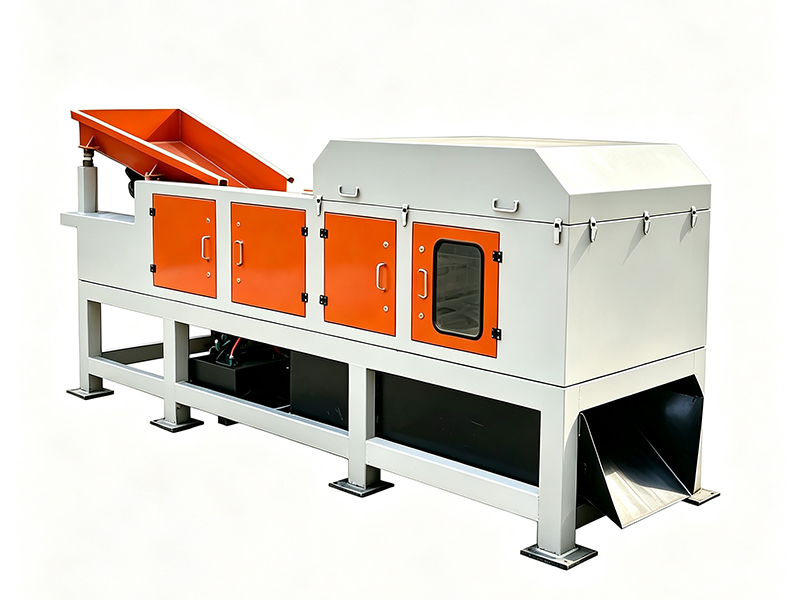
The bouncing screen sorting machine drives the screenplate to move up and down front and back throughan eccentric shaft, which makes the 3D material part(such as plastic bottles, wood, bricks and stones, etc.)and the light and flat 2D material part (such as film,paper and cardboard) on the screen plate as well asthe fine material part (sand and food residues) underthe screen convenient for the subsequent processing.
Video show
Key Selling Points and Advantages
AI Algorithms That Go Beyond “Recognition” to “Cognition”
By utilizing deep learning frameworks such as Convolutional Neural Networks (CNNs), the system can not only identify surface colors but also extract deep-level material characteristics. It possesses the ability to make autonomous judgments when encountering previously unseen foreign objects or materials with altered shapes, thereby addressing the pain points associated with traditional equipment—namely, its inflexibility and the need for frequent recalibration.
Multimodal Fusion Recognition Technology
Breaking through the limitations of single-modality optics, this technology integrates visible light, near-infrared (NIR), and hyperspectral technologies to simultaneously identify a material’s “color and composition.” For example, it can precisely distinguish between plastics with similar colors but different compositions (such as transparent PET and transparent PP) or detect foreign objects inside packaging.
Multi-Functionality and Flexible Production
Supports “one-click switching” of sorting models. By invoking different AI models, a single device can process diverse materials such as ore, plastic, or grain, significantly reducing equipment investment and factory floor space while meeting the demands of flexible production involving small batches and multiple product varieties.
Ultimate Precision and Detection of Minor Defects
Equipped with high-resolution industrial cameras (such as a four-view system for 360° blind-spot-free detection) and a high-performance processing system, defect recognition accuracy reaches 0.01 mm, with a sorting accuracy rate as high as 99.99%. This effectively reduces the carry-out rate (false rejection rate) and ensures high-purity output.
Intelligent Operation and Cloud Management
Supports IoT (Internet of Things) remote access, enabling remote fault diagnosis, algorithm upgrades, and real-time monitoring of production data. Some models feature self-learning capabilities, continuously optimizing models during actual operation to become more accurate over time.
Industry Sectors
Resource Recovery
Plastic Sorting
Sorting of materials such as PET, PP, PE, and ABS; whole-bottle sorting; removal of labels and soft rubber;
Municipal Solid Waste
Recovery of paper, plastic, and metal from mixed municipal solid waste;
Electronic Waste
Separation of metal and plastic from shredded materials.
Mining and Coal
Ore Pre-concentration
Removal of waste rock and improvement of feed grade (e.g., phosphate ore, quartz sand, manganese ore);
Coal Sorting
Intelligent dry sorting of coal gangue, replacing manual gangue removal
Table of Contents
Leave a Message
Please feel free to leave a message. We will reply you in 24 hours.
During the fluidization process, granular materials undergo particle and density segregation. By adjusting technical parameters such as air pressure and amplitude, the materials are caused to intermix, resulting in stratification. Materials with higher specific gravity settle to the bottom, while those with lower specific gravity rise to the top. Once the material enters the discharge zone, the materials of different specific gravities are discharged from different locations as required to achieve the purpose of separation.
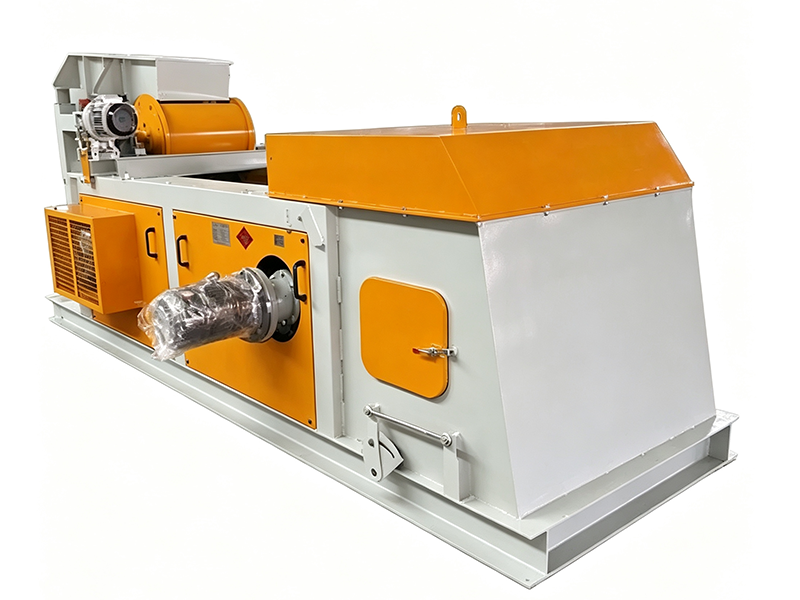
An eddy current separator is a magneto-electric mineral processing device that utilizes the principle of electromagnetic induction to separate non-ferrous metals (such as copper and aluminum). Rather than relying on physical screens, it efficiently separates metals from non-metals (such as plastic, rubber, and glass) using “magnetic forces,” making it a “metal catcher” in the field of solid waste recycling.
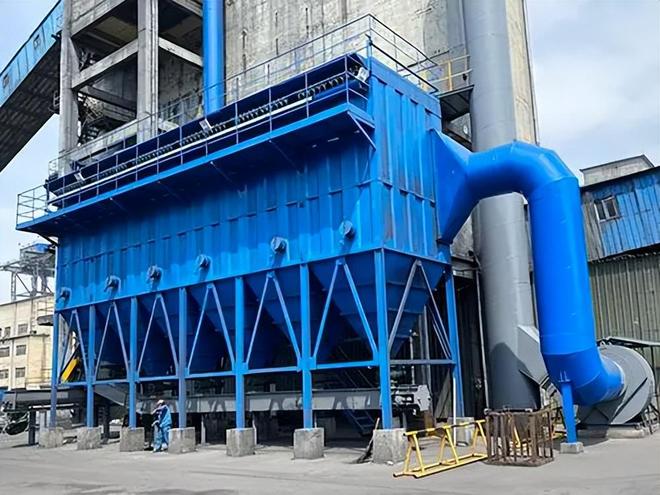
The dust collector primarily consists of a housing, a high-pressure blower, filter bags, a dust collection drawer, a chamber, an air inlet pipe, air ducts, and electrical components. All components are mounted within a vertical frame. The steel plate housing is coated with baked paint to prevent rust, ensuring smooth operation and ease of use.
A non-ferrous metal separator is an intelligent sorting device based on the principle of induced eddy currents, specifically designed to separate and recover non-ferrous metals (such as aluminum, copper, zinc, lead, and stainless steel) from mixed scrap. The equipment generates induced eddy currents on the surface of metals through a high-frequency alternating magnetic field.
Ferrous metal magnetic separators are core mineral processing equipment that separates magnetic minerals (such as iron, manganese, and chromium) from non-magnetic materials by exploiting differences in mineral magnetism and utilizing an uneven magnetic field. They are widely used in the separation and purification of ferrous metal ores, as well as for iron removal in industrial production lines.
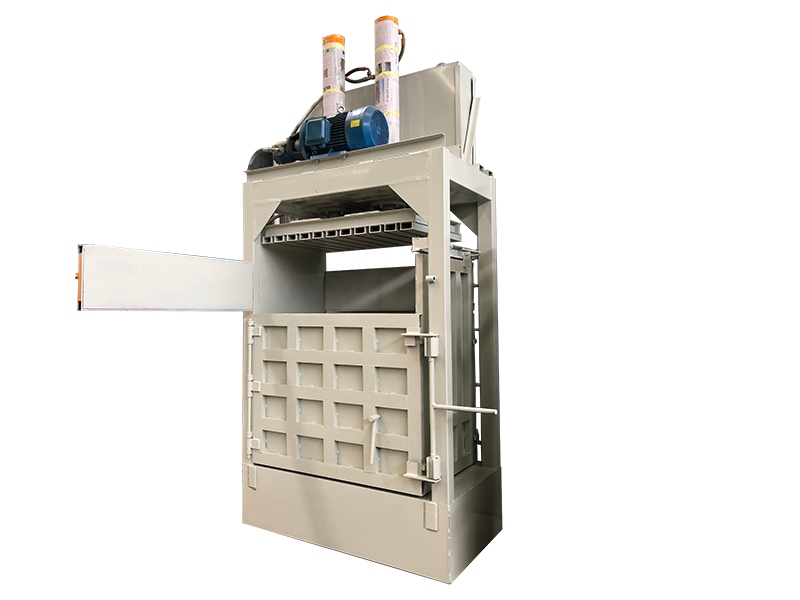
A vertical baler is an industrial machine that uses a hydraulic or pneumatic system to apply vertical pressure, compressing loose, bulky, and lightweight materials into high-density, uniform bales. Compared to horizontal balers, vertical models adopt an “upward compression” design philosophy, offering significant advantages such as a small footprint, compact structure, and low investment costs.
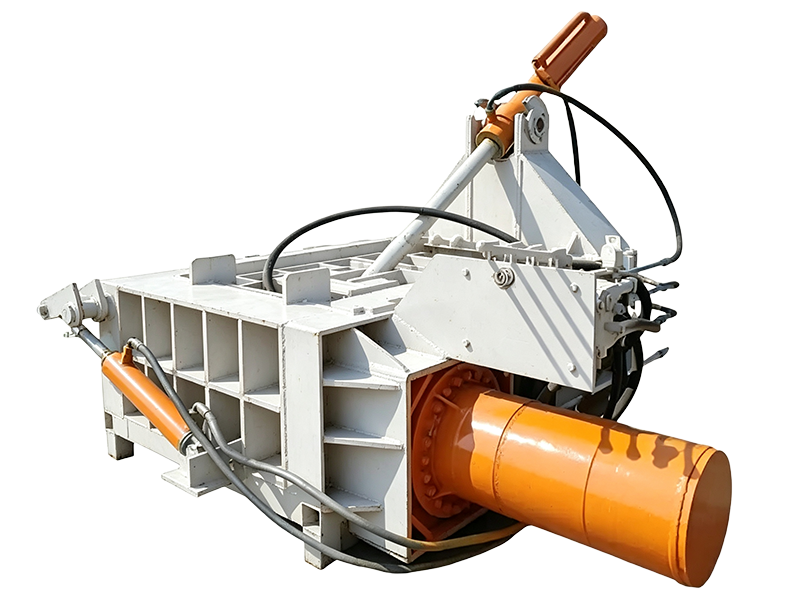
A metal baler (also known as a hydraulic metal briquetting machine) is an industrial machine that utilizes hydraulic drive principles to compress various loose, bulky metal scrap materials—such as scrap steel, scrap iron, scrap aluminum, copper shavings, and end-of-life vehicle bodies—at room temperature into high-density, regular-shaped blocks (such as rectangular or cylindrical blocks).
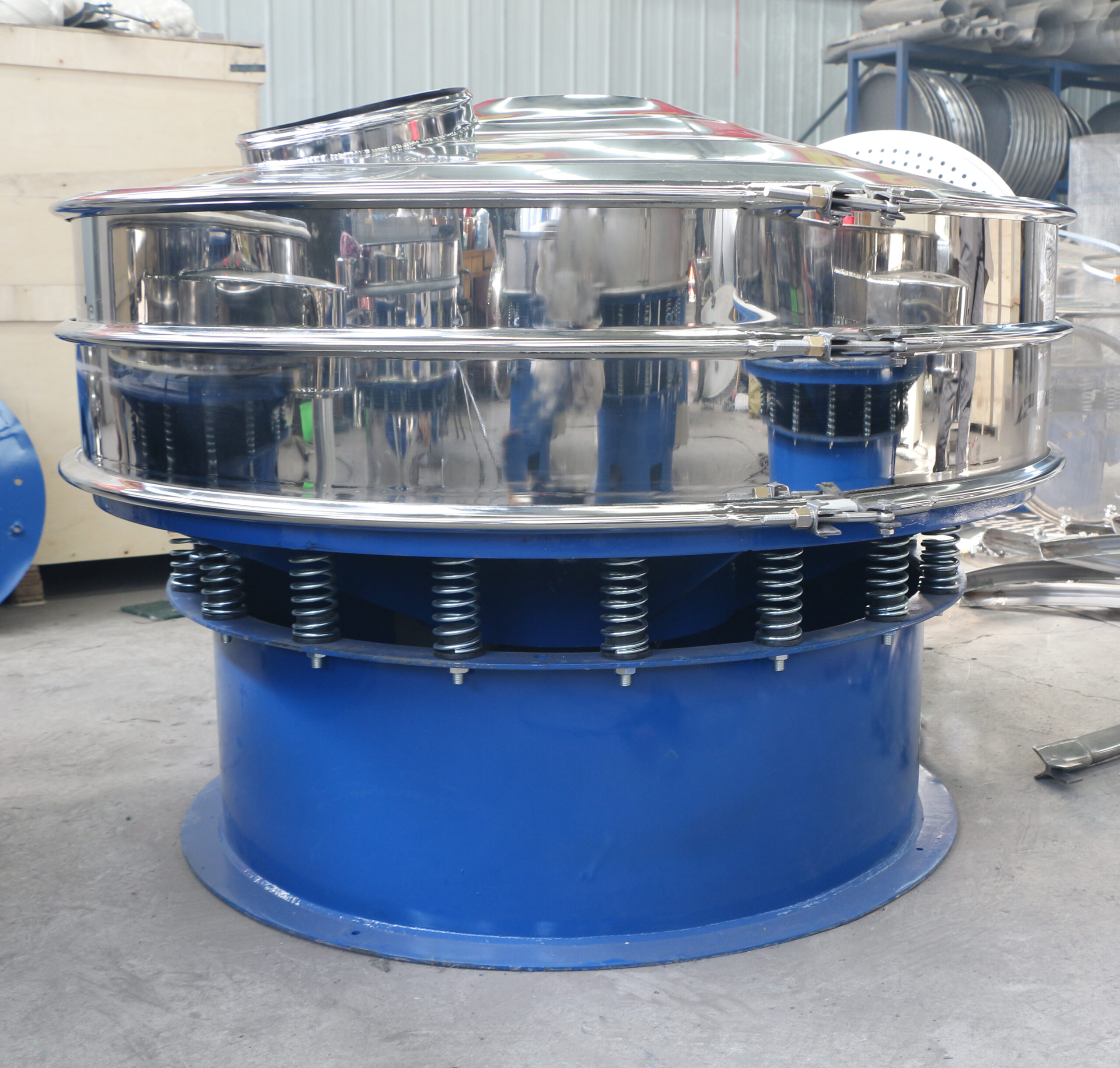
A vibrating screen is a high-precision machine for screening fine powders. It features low noise levels and high efficiency, with screen changes taking only 3–5 minutes. It is suitable for screening materials such as granules, powders, and slurries.
We will provide customers with a variety of comprehensive services, including installation and commissioning service, technical training, maintenance, etc.