Video Show
Product Introduction
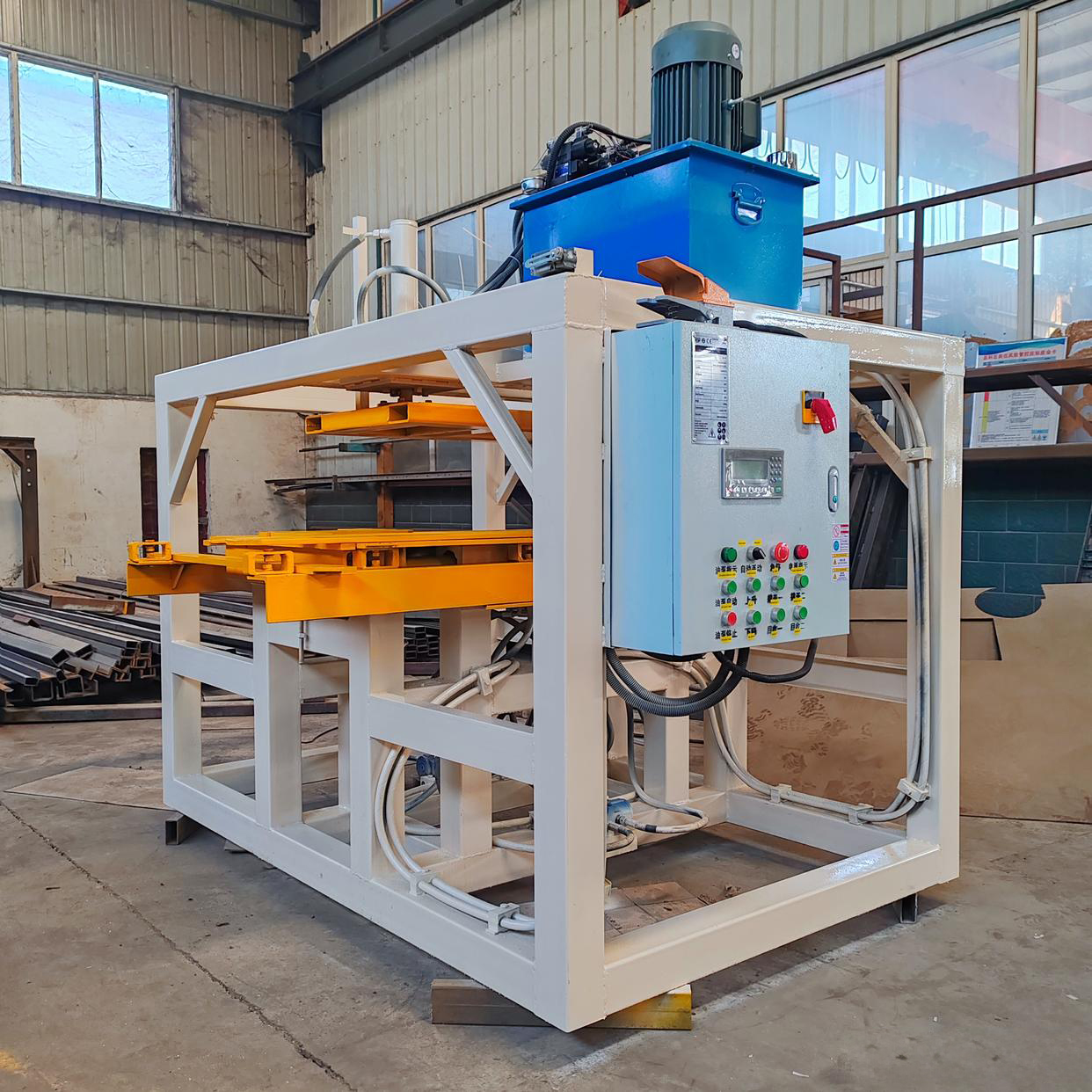
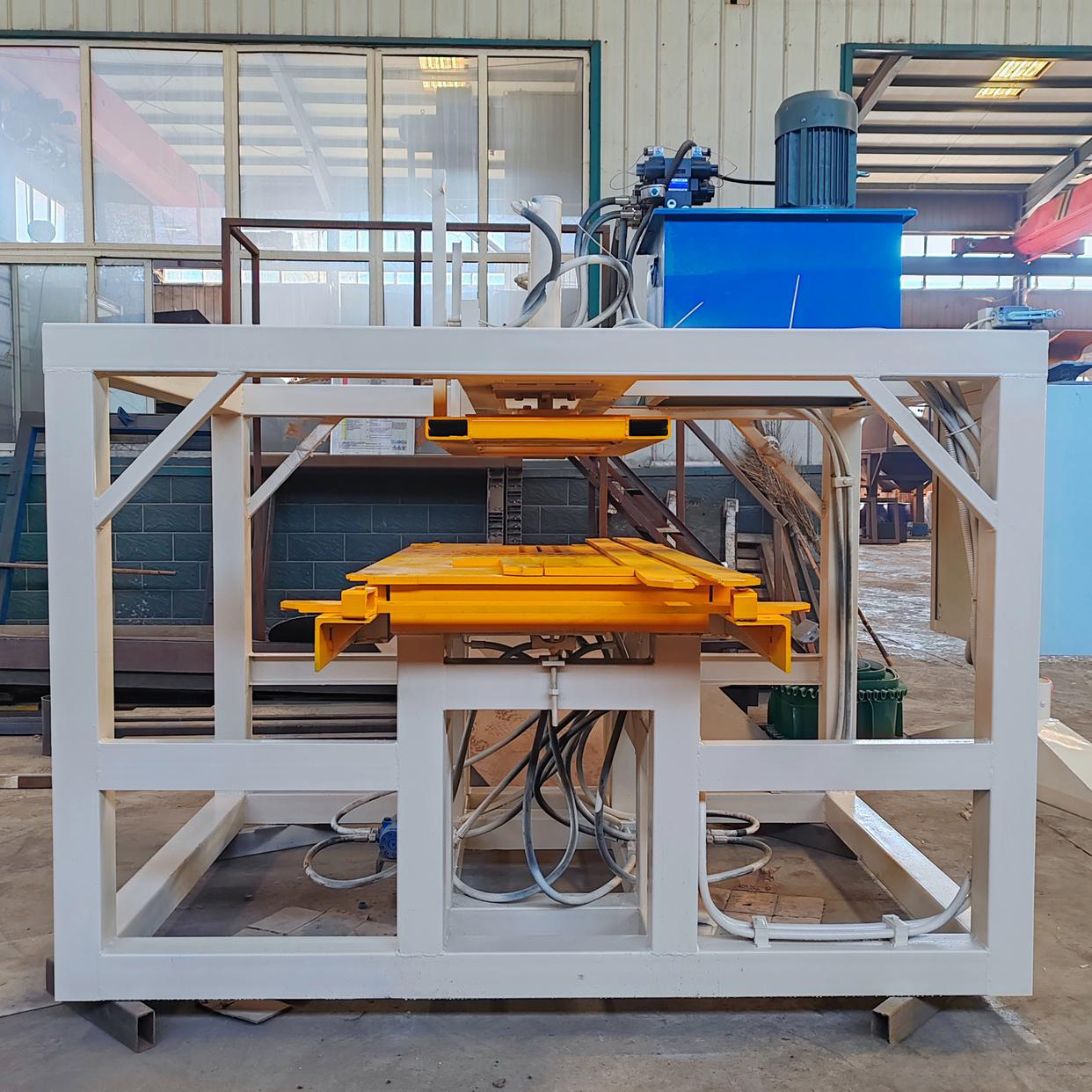
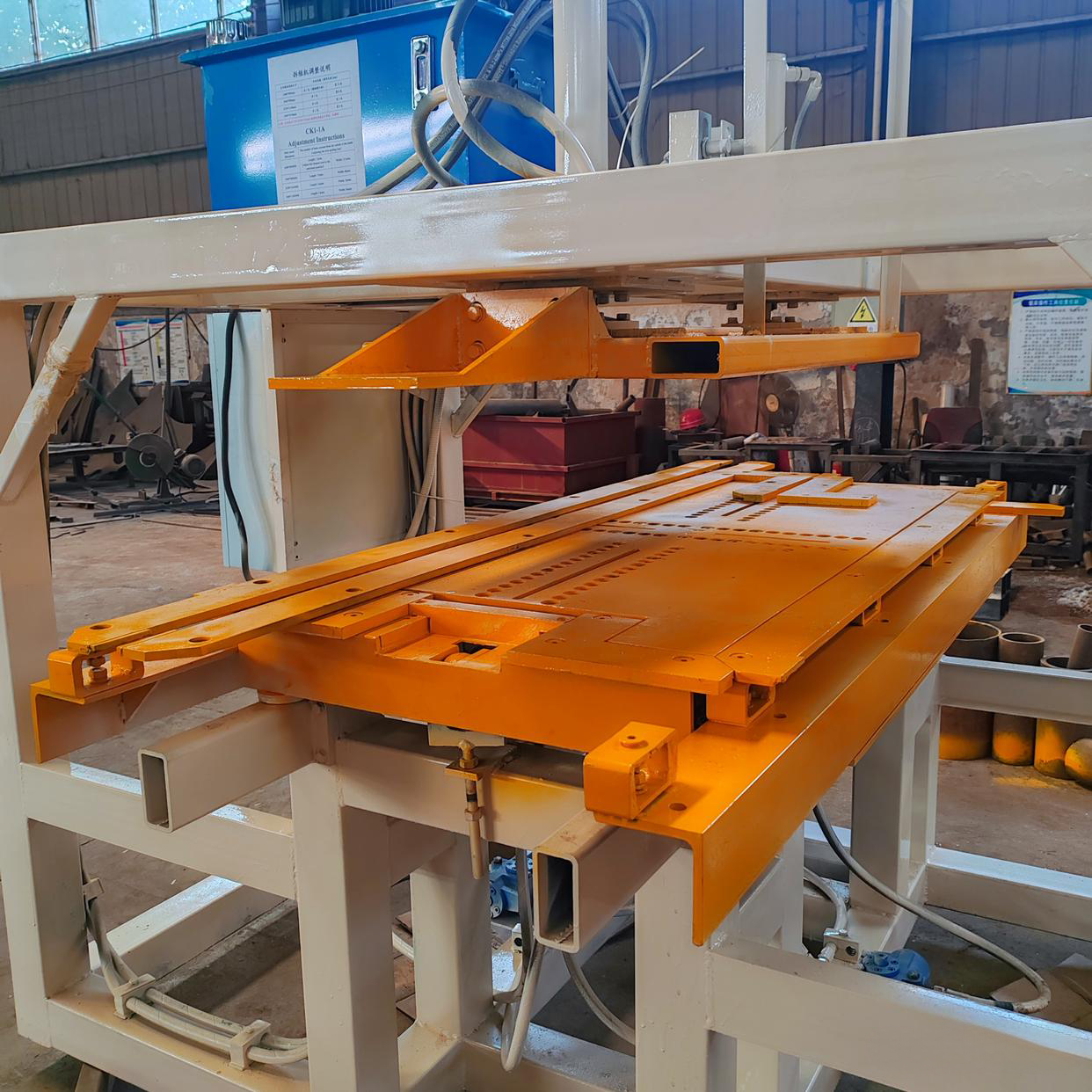
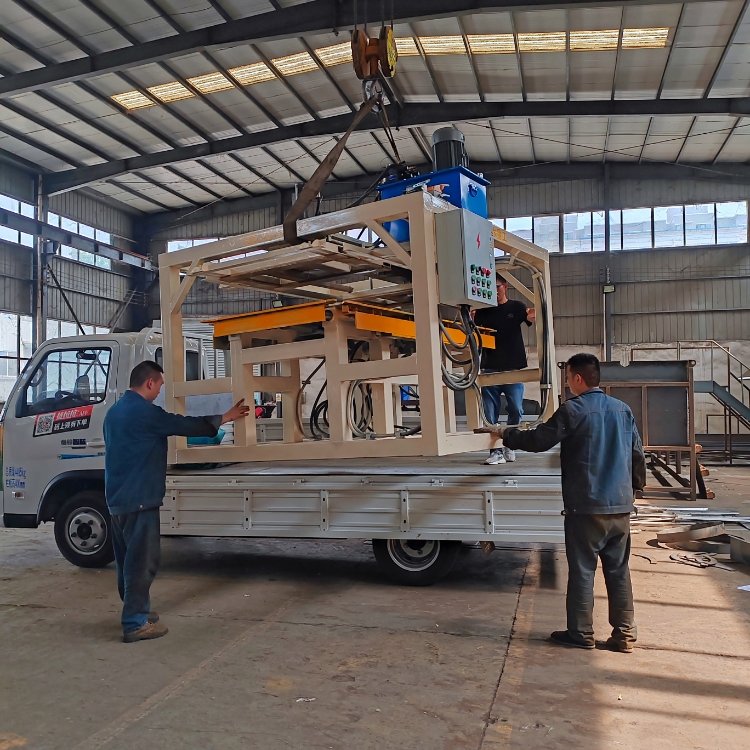
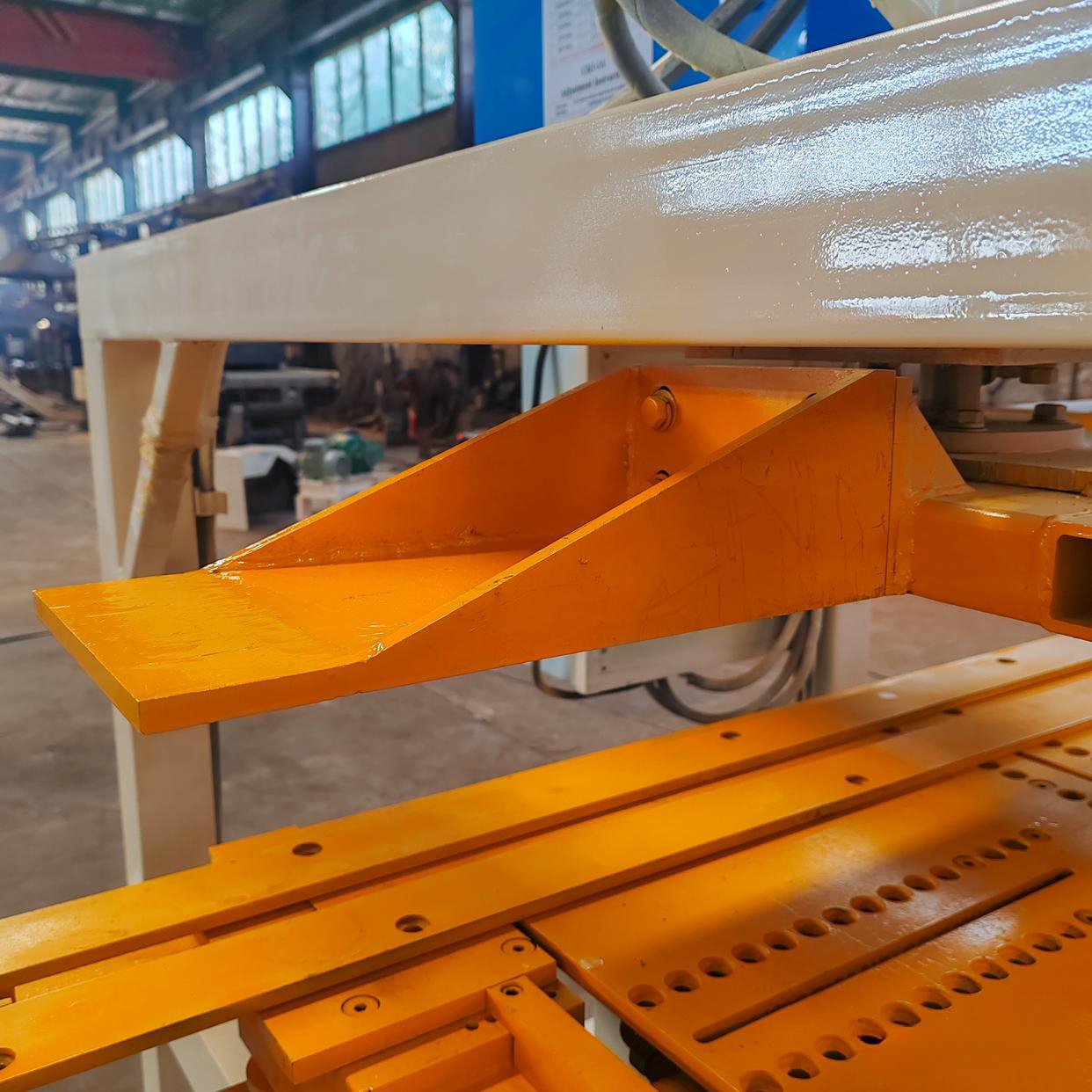
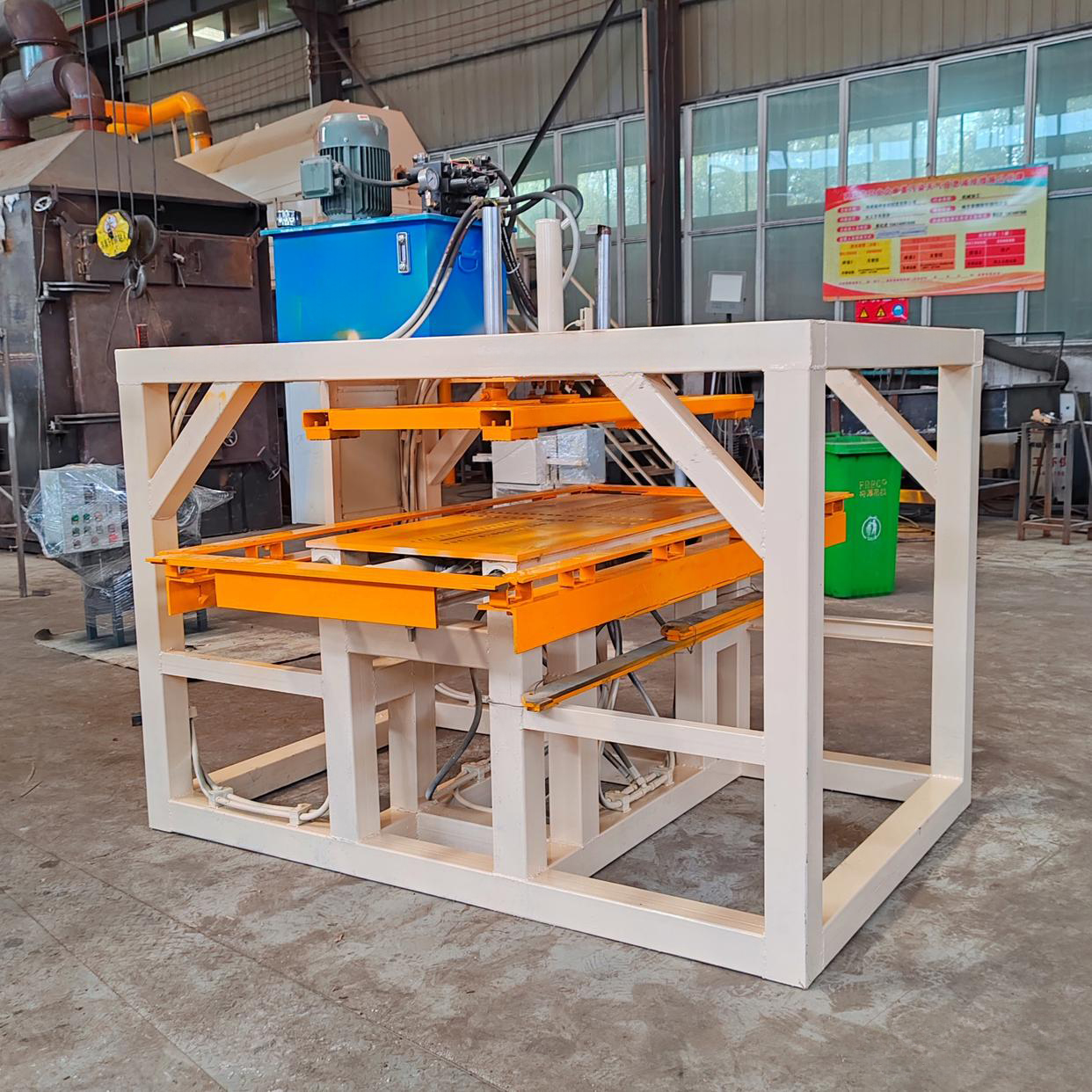
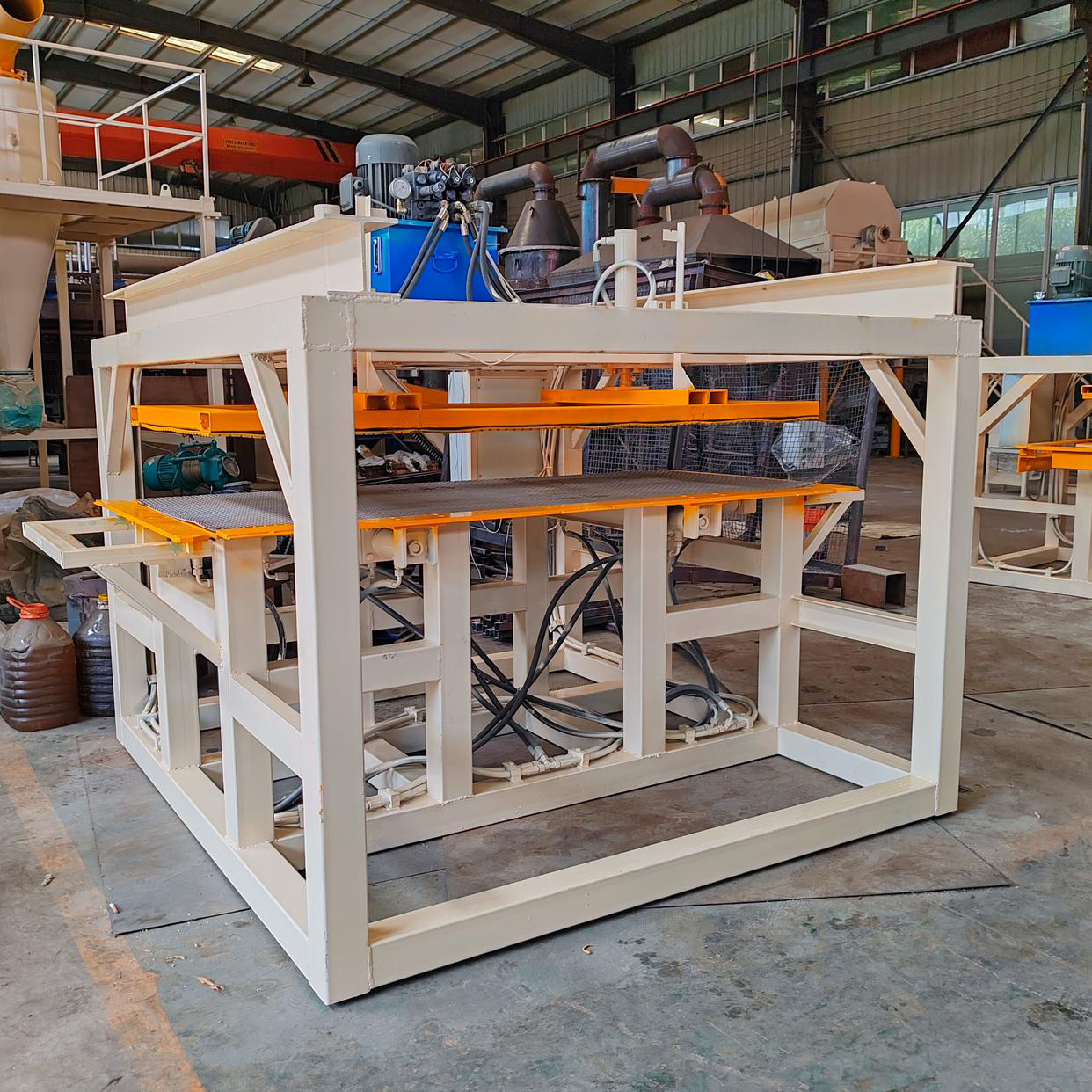
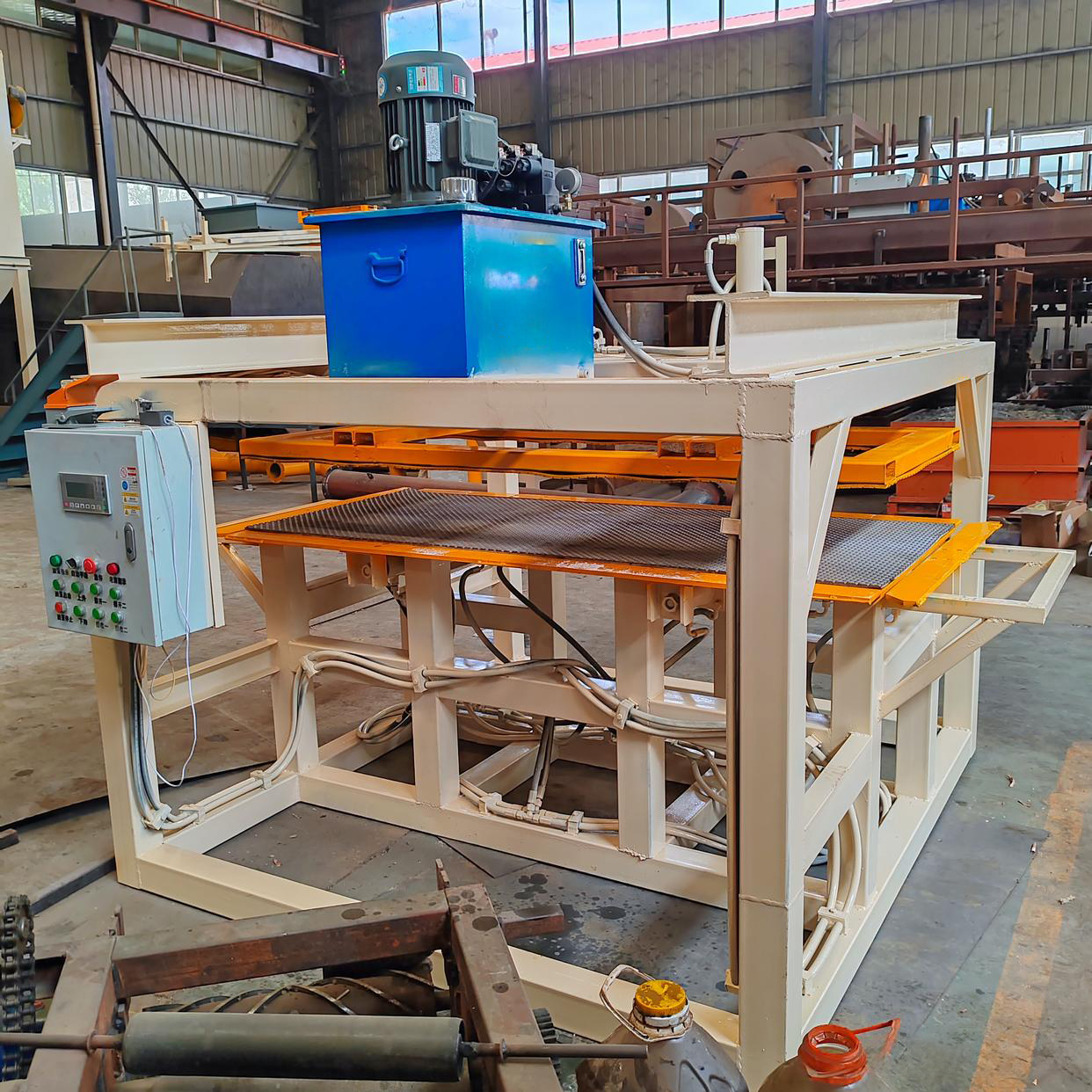
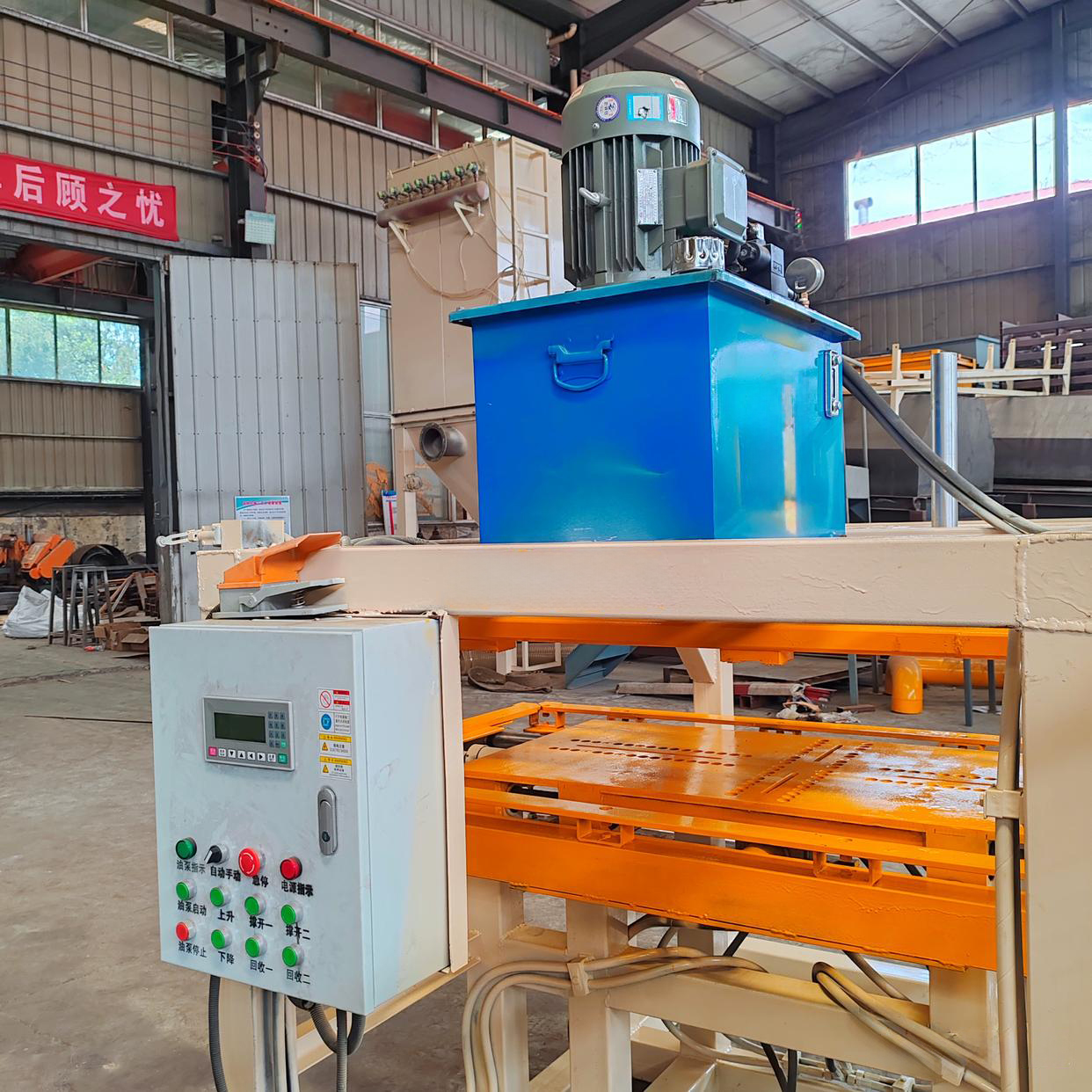
The PV panel frame removal machine is a critical component of the pre-processing stage in a production line for crushing and sorting waste PV modules. Its primary function is to remove the aluminum frames from PV modules. Although the aluminum frames are not a core component of photovoltaic modules, their recycling value should not be overlooked. Manual disassembly is time-consuming, labor-intensive, and costly. By using specialized photovoltaic panel frame-removal equipment, the aluminum frames can be efficiently, precisely, and safely separated from the panels, laying a solid foundation for subsequent processing.
Working Principle
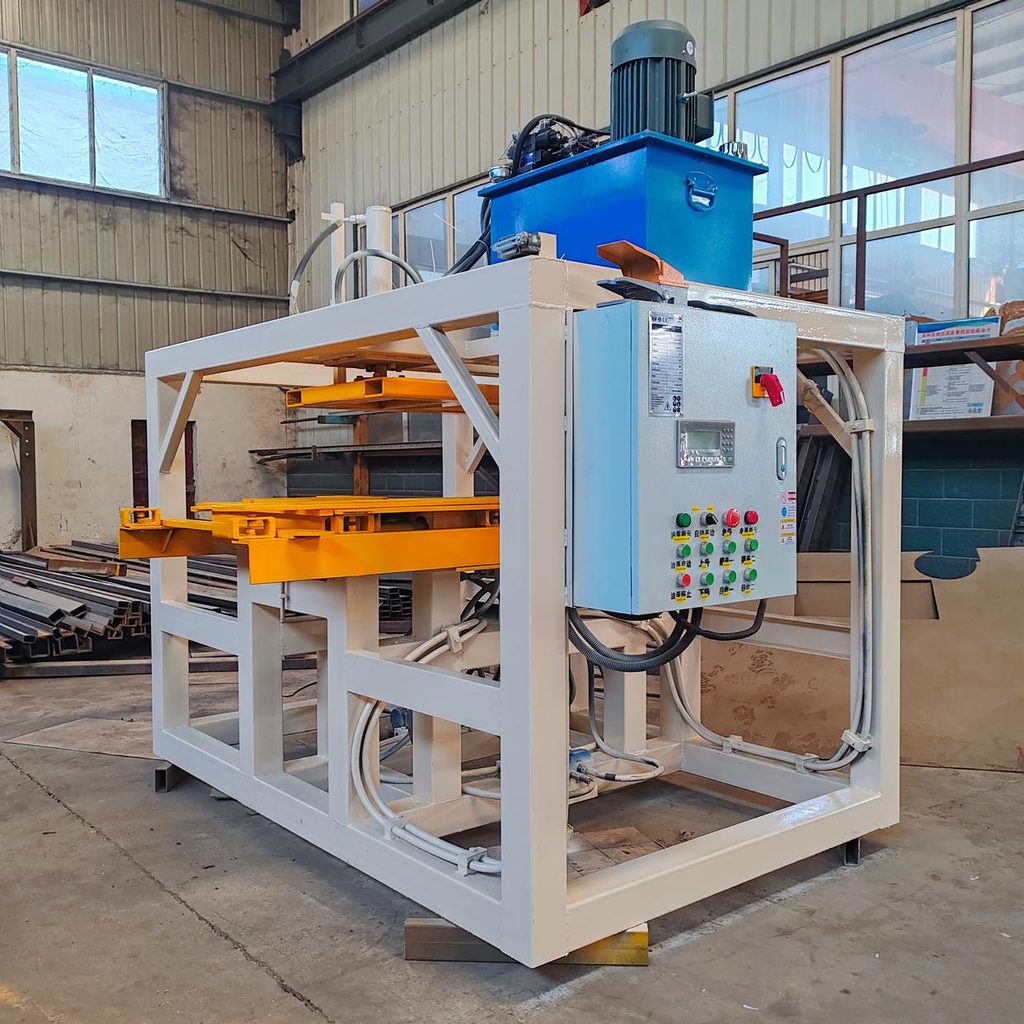
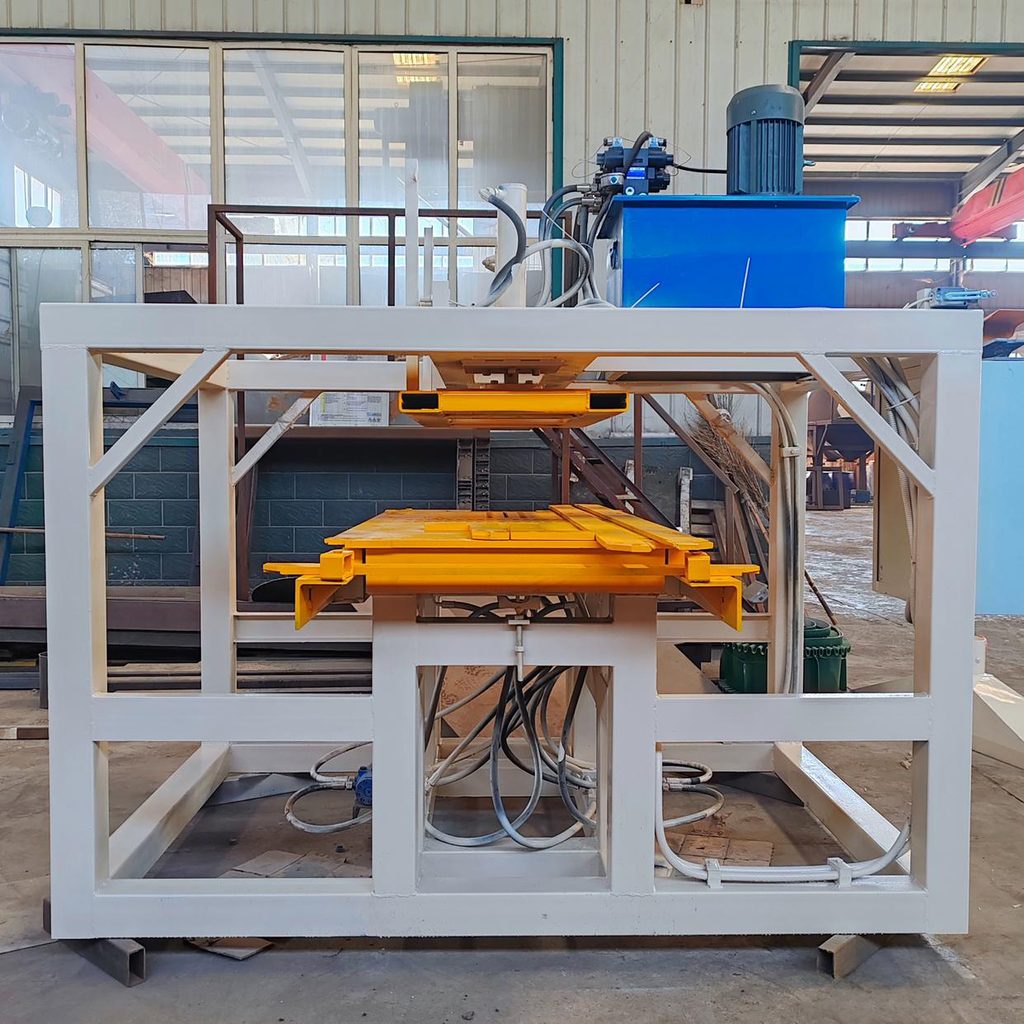
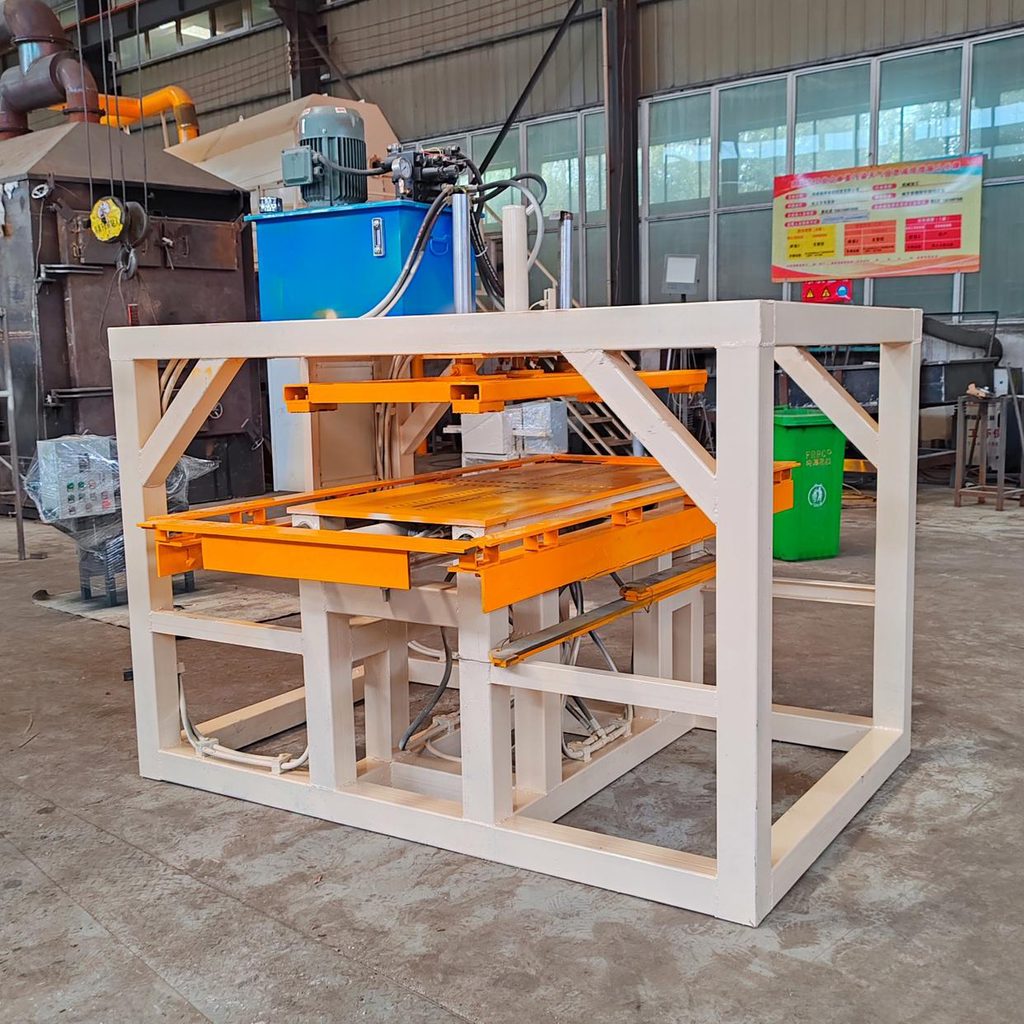
Place the used solar panels on the frame-removal machine’s platform; using a robotic arm, the machine can quickly and precisely remove the aluminum frames around the edges of the panels.
The photovoltaic panel frame removal machine features automated, intelligent operation, which improves the efficiency and safety of dismantling scrap photovoltaic panels. It has a high processing capacity and significantly reduces labor costs, making it more efficient than manual dismantling.
At the same time, the zero waste generated from aluminum frames increases their recycling value, reduces the consumption of natural resources, and promotes the sustainable use of resources.
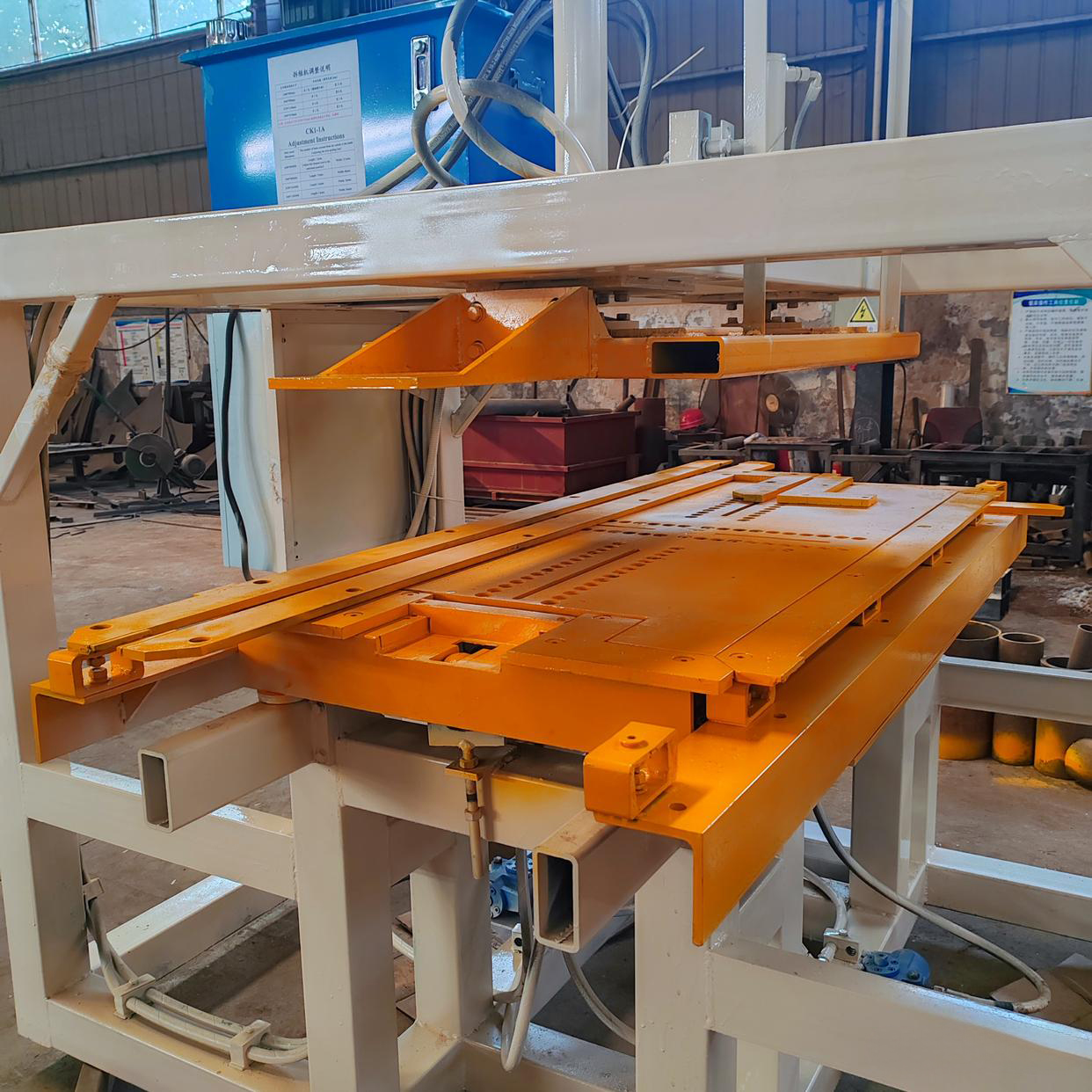
Equipment Configuration
A complete photovoltaic module disassembly production line covers the entire process, from module intake to the separation and output of various materials. The frame-removal machine is the first step in the disassembly process and is specifically designed to remove the aluminum alloy frames surrounding the photovoltaic modules. Although these frames have high recycling value, improper removal can easily damage the internal solar cells and glass. Advanced frame-removal machines use automated controls and precise positioning to separate the frames without damaging the module’s main structure.
Next comes the glass removal machine, which is responsible for peeling off the tempered glass covering the solar cells. This step demands extremely high precision from the equipment—it must ensure that the glass is fully recovered while avoiding structural damage to the underlying solar cells. After the glass has been successfully separated, the backsheet separation unit further peels off the EVA film and backsheet material.
With continuous technological advancements, dismantling equipment is evolving from semi-automatic to fully automatic and intelligent systems. Fully automatic dismantling equipment enables assembly-line operations through robotic arms, vision recognition systems, and specialized tooling. The intelligent vision recognition system automatically detects the dimensions and damage level of photovoltaic panels, precisely adjusting the dismantling process parameters accordingly; the 3D vision system synchronizes data with multiple detection components in the separation unit to form an intelligent control system.
During the sorting process, modern dismantling equipment lines integrate multiple technologies, including magnetic separation, eddy current separation, and air classification, to achieve precise sorting based on the physical properties of different materials—such as density and electrical conductivity—ensuring no cross-contamination between glass, silicon material, and copper strips.