Product Introduction
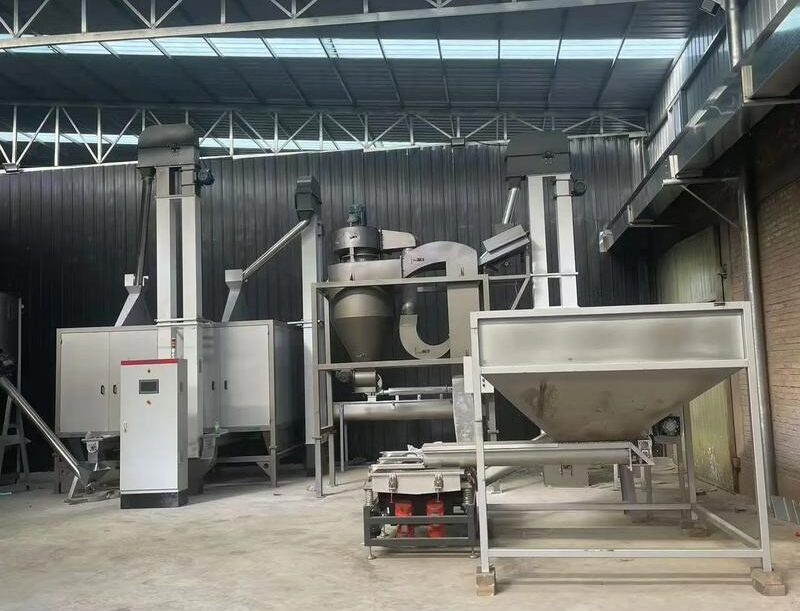
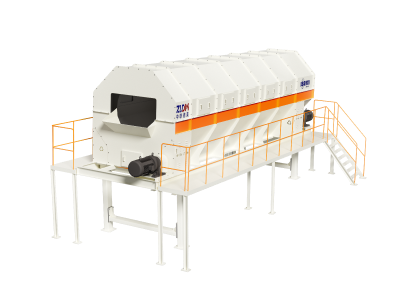
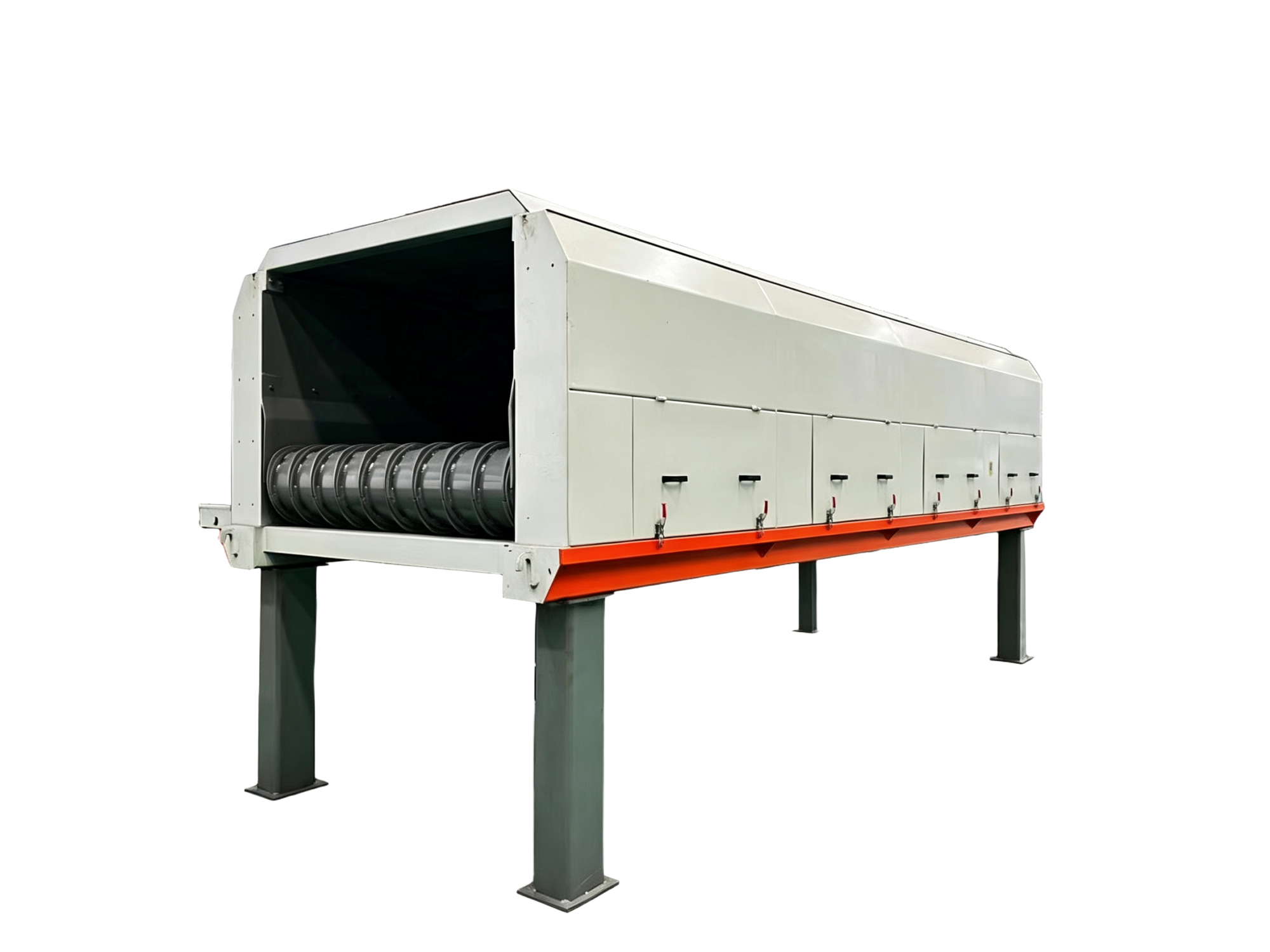
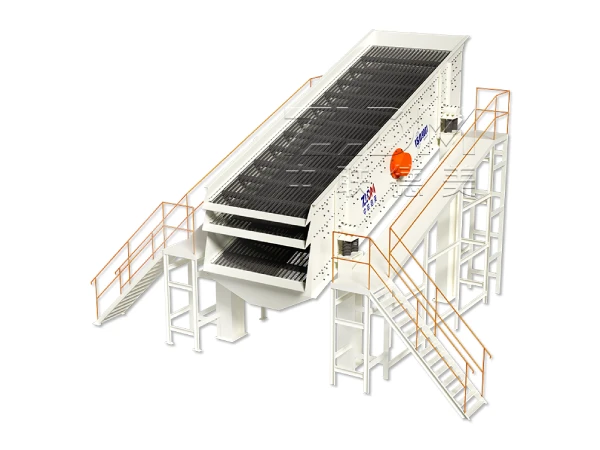
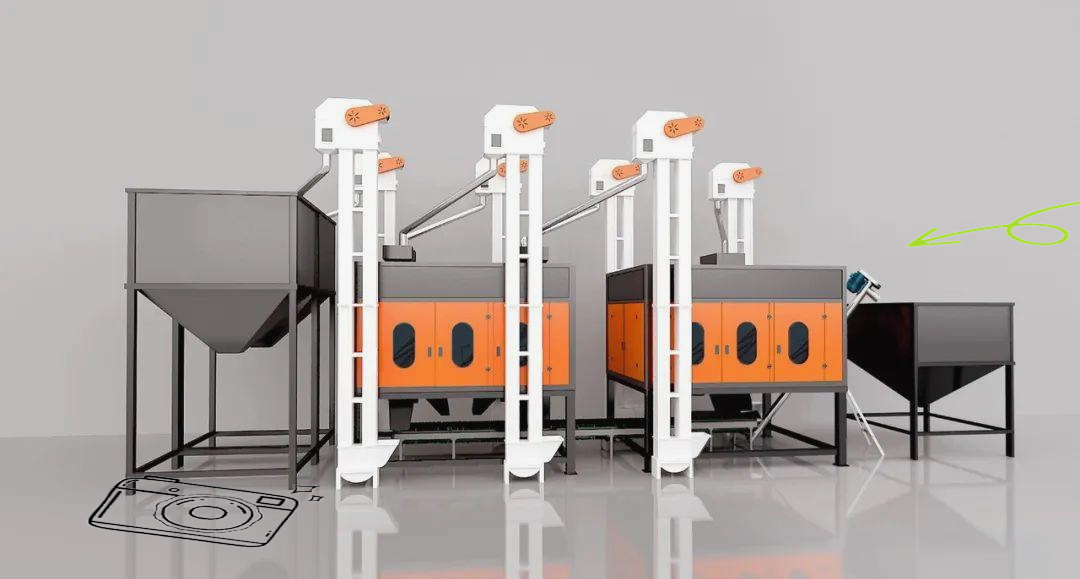
Electrostatic separation equipment uses a purely mechanical separation method that requires no chemical agents or separation liquids; it is a completely dry separation process. The separation purity exceeds 95% and can reach up to 99.9%. It can separate particles in mixtures of metals and non-metals, as well as conductors and non-conductors. It is used in equipment for recycling aluminum-plastic waste, scrap circuit boards, and as auxiliary equipment for copper granulator machines, and can process any mixture of metals and plastics. It is classified as a new type of environmentally friendly equipment in the field of environmental protection.
Working Principle
The principle of an electrostatic separator is that a high-voltage electrostatic charge generated by a high-voltage generator inside the equipment is discharged onto a grounded rotating drum, while the material to be sorted is evenly fed onto the rotating drum via a dedicated feeding device. When conductive materials become charged, they discharge their static electricity into the ground through the grounded rotating drum. Combined with the drum’s inertia, the conductive materials are flung into the conductive material hopper. Non-conductive materials, due to their poor electrical conductivity, become adsorbed onto the surface of the rotating drum. As the drum rotates, they are swept off by brushes and fall into the non-conductive material hopper. However, a portion of both the conductive and non-conductive materials falls into the intermediate material hopper due to various factors, such as the roller’s rotational speed, the adjustment of the equipment’s baffles, the size of the material particles, and the amount of static charge accumulated. These materials are then returned to the feed inlet via the feeder for further sorting.