Product Introduction
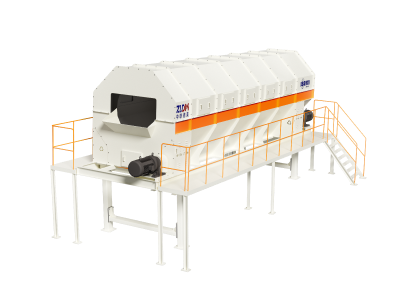
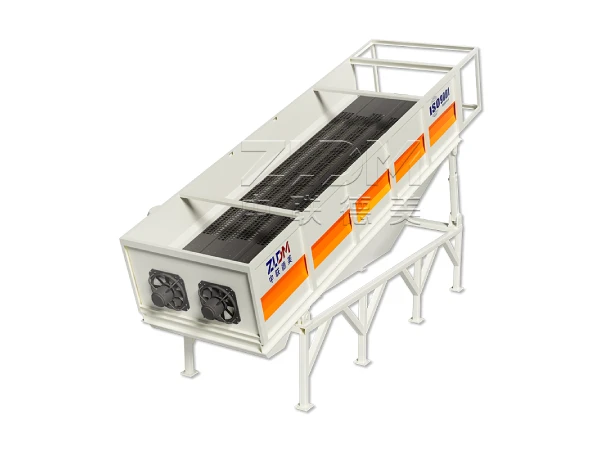
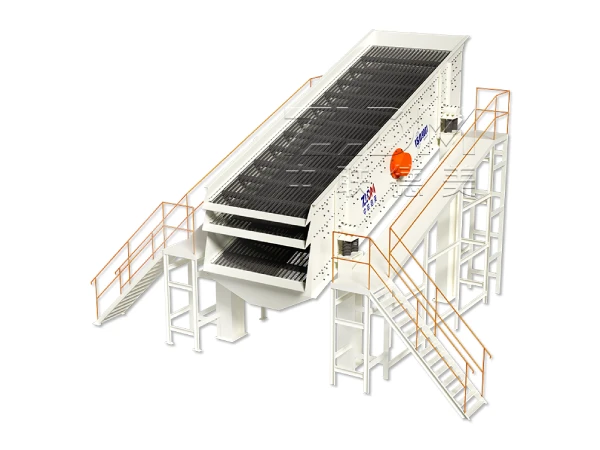
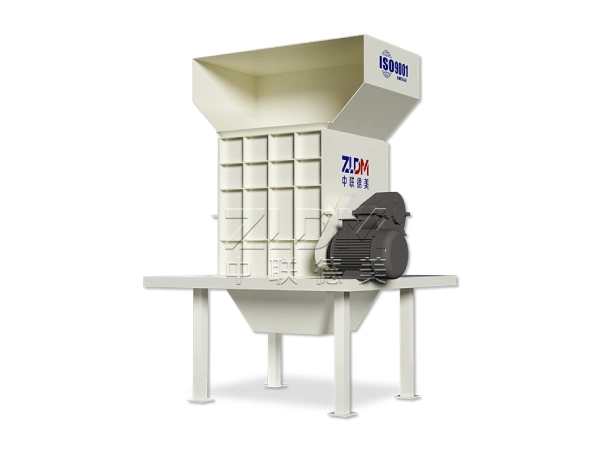
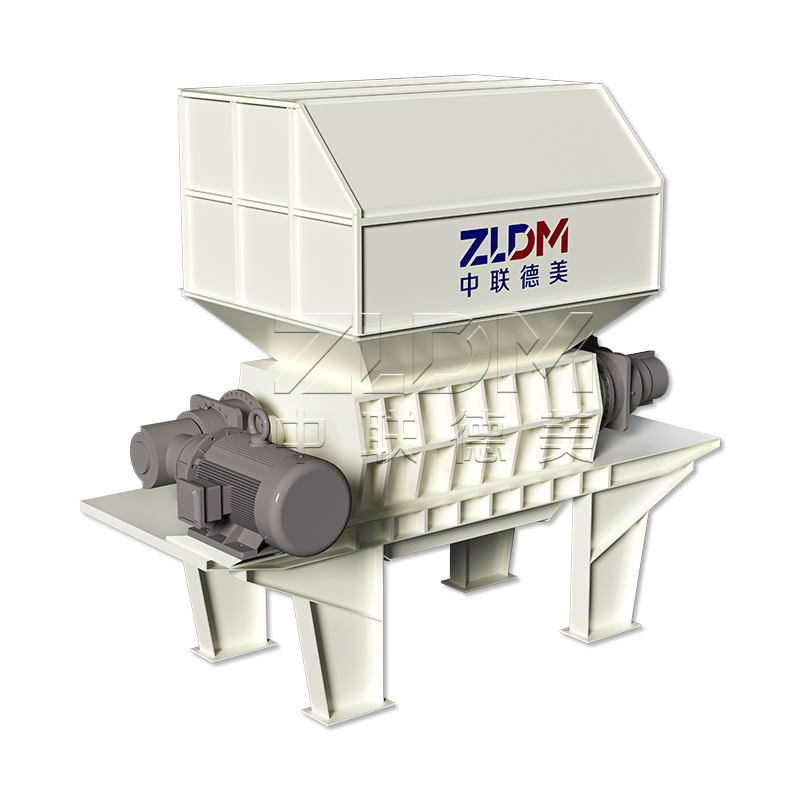
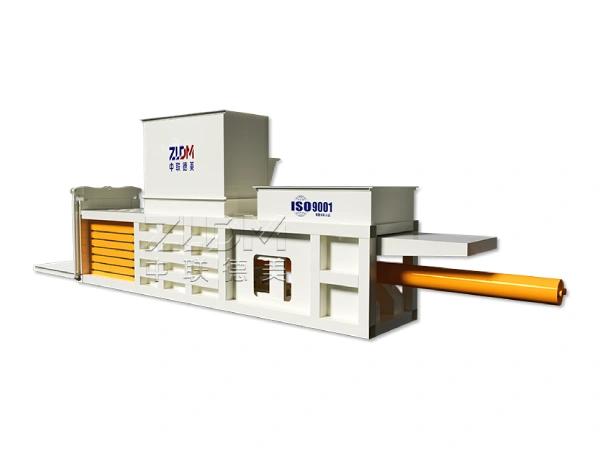
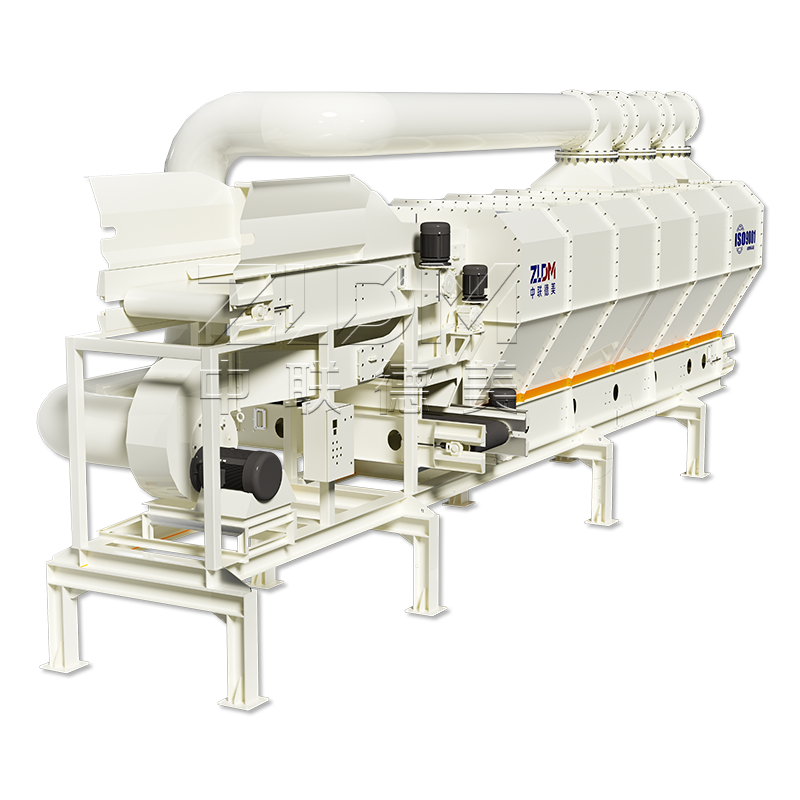
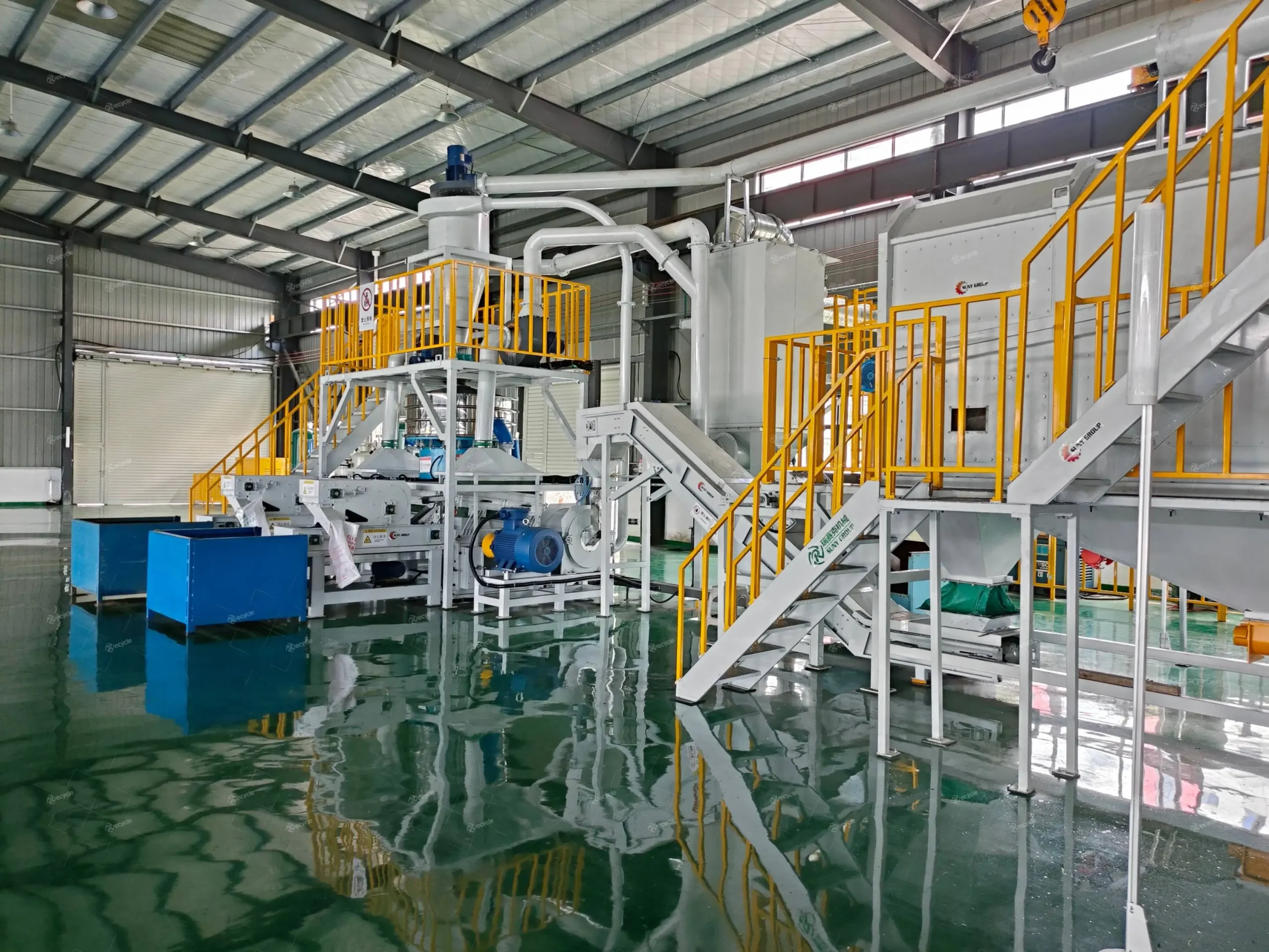
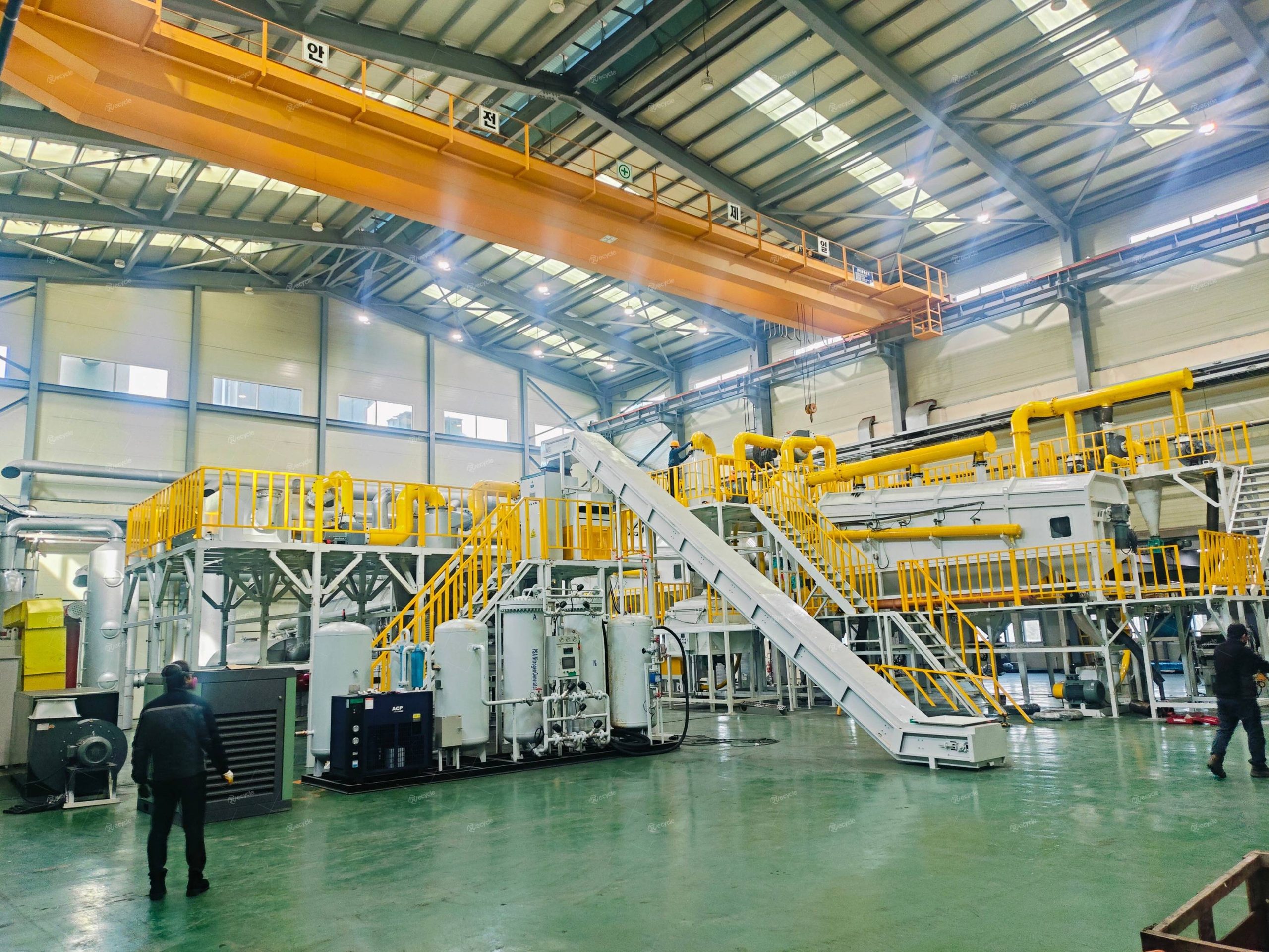
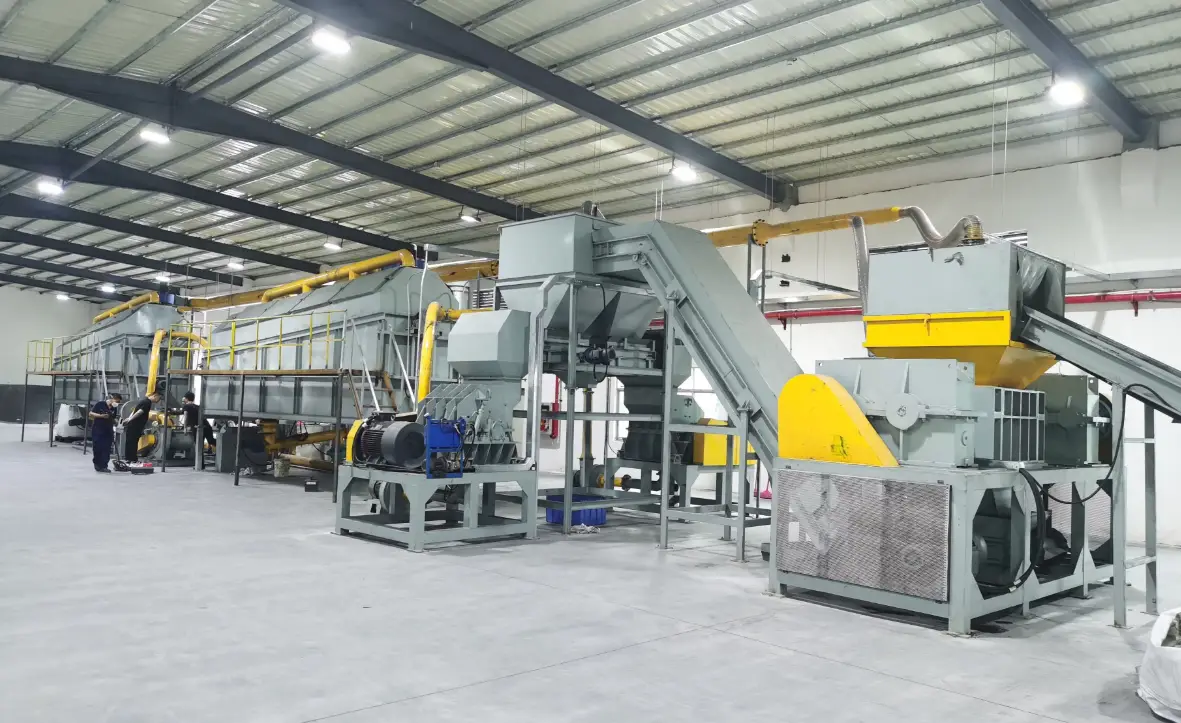
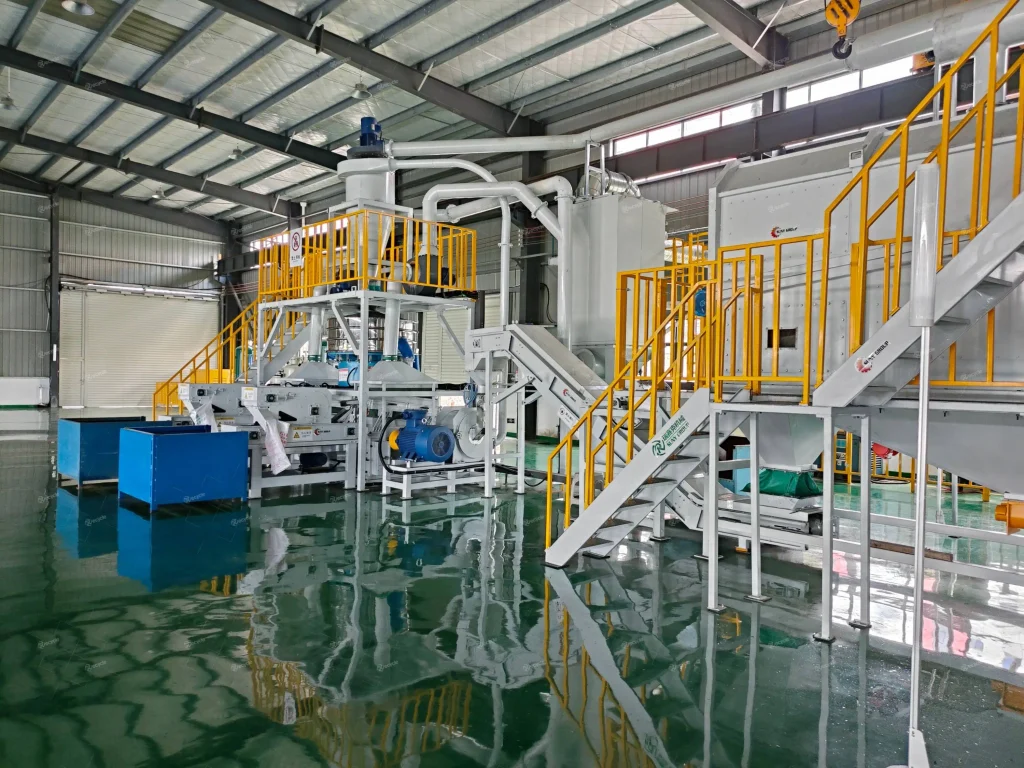
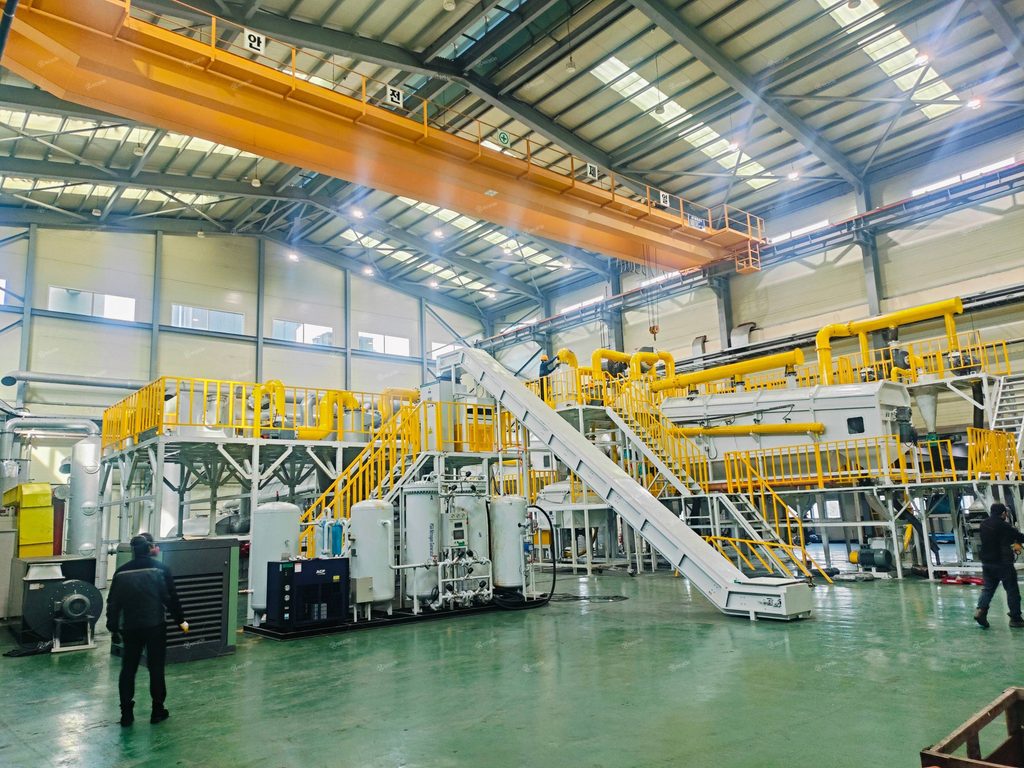
Lithium-ion batteries are fed via a conveyor into a shredder for shredding, then enter a pyrolysis furnace for further decomposition. The pyrolyzed material is sent to a casing sorter to separate the casings, while the remaining material enters a screening system. After the black powder is screened out, it is ground and returned to the screening system. The separated black powder is recovered and sent to a grinding machine for a third round of grinding. Finally, the material passes through a circular vibrating screen for further separation into a copper-aluminum mixture and black powder. The black powder is collected in a central hopper, while the copper-aluminum mixture undergoes air classification to separate copper and aluminum.
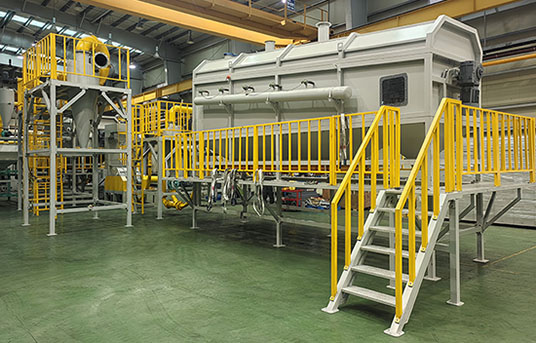
Video show
Working Principle
Lithium-ion battery pyrolysis recycling equipment employs a core process consisting of “crushing while charged, pyrolysis, and grinding and classification.” Through advanced technology and process design, it enables the environmentally friendly and comprehensive utilization of end-of-life lithium-ion batteries, cylindrical batteries, small-sized batteries, and pouch batteries. By applying pyrolysis treatment to lithium battery industry waste—such as discarded slurry, separators, and packaging waste—the system recovers and reuses valuable components, providing peace of mind for manufacturers of lithium battery industry waste.
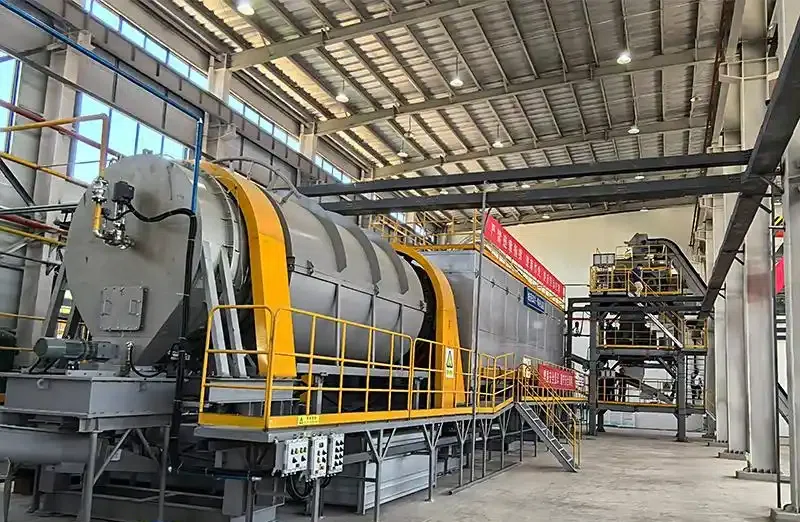
Product Advantages
- Lithium-ion battery pyrolysis recycling equipment is energy-efficient and environmentally friendly, featuring a well-designed, fully integrated production line with advanced processes and a high degree of automation;
- The entire processing cycle—from raw material input to equipment processing—takes place in a sealed environment, ensuring a pollution-free production setting;
- The lithium-ion battery pyrolysis recycling equipment features a modular design for the entire line, allowing for on-demand configuration for greater convenience; customers can flexibly plan the layout based on their production site and specific needs;
- This safe, efficient, and environmentally friendly method for processing waste lithium-ion batteries enables the efficient sorting and recovery of electrode materials, copper, and aluminum, and is suitable for all types of lithium-ion batteries.
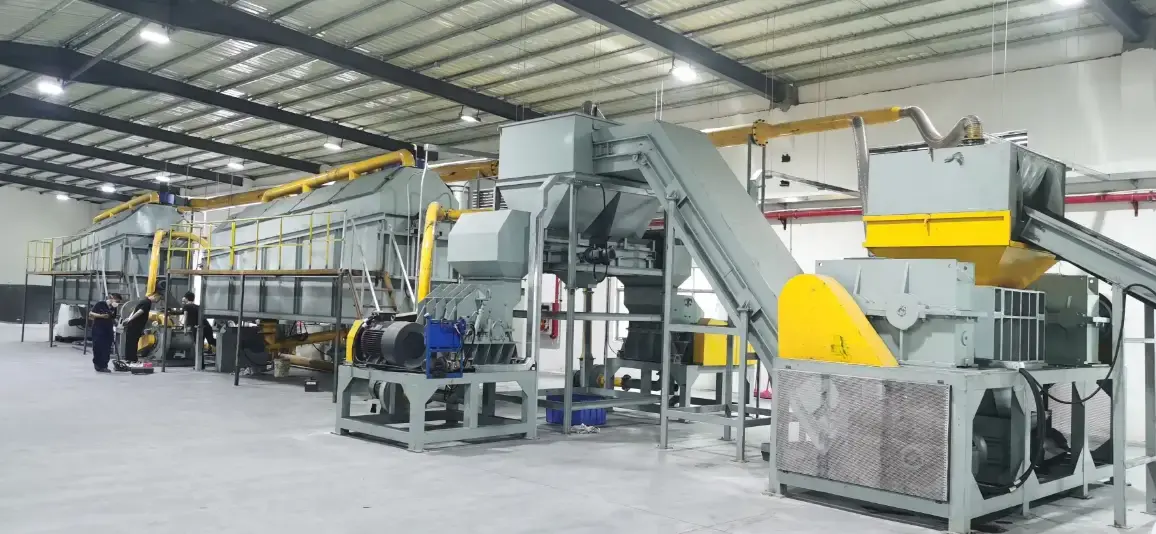
Technical Specifications
| Host Technical Specifications | |
| Processing Range | Various types of end-of-life lithium-ion batteries, including ternary lithium, lithium iron phosphate, and prismatic pouch cells |
| Host Dimensions | 40m*6.85m*6.5m |
| Machine Weight | 30-50t |
| Motor Voltage | 380V/220V |
| Output per Hour | 1500kg-2000kg |