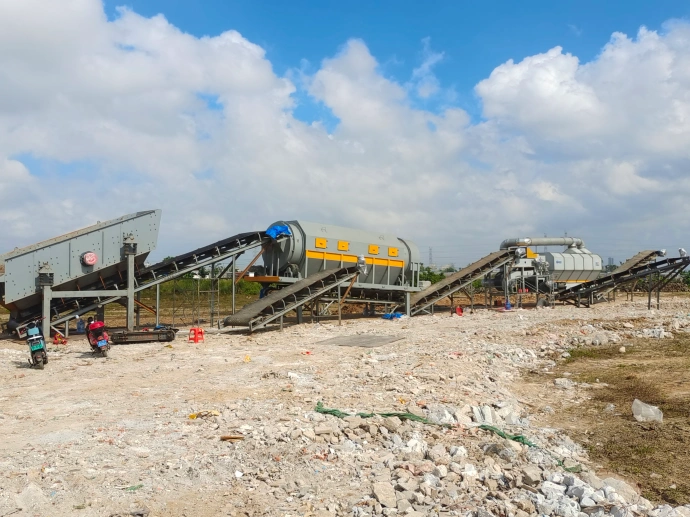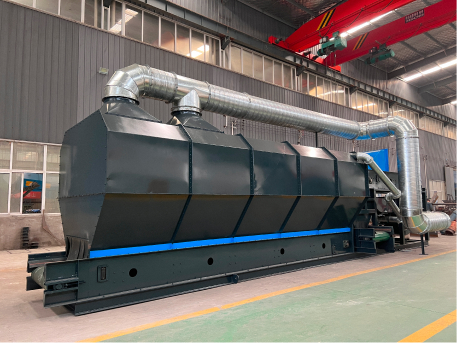
Construction waste consists of complex materials (including plastics, wood, metals, and textiles), and traditional manual sorting is inefficient, involves poor working conditions, and is costly. According to 2025 industry data, the penetration rate of AI visual sorting technology in new construction waste management projects has exceeded 30% and continues to rise.
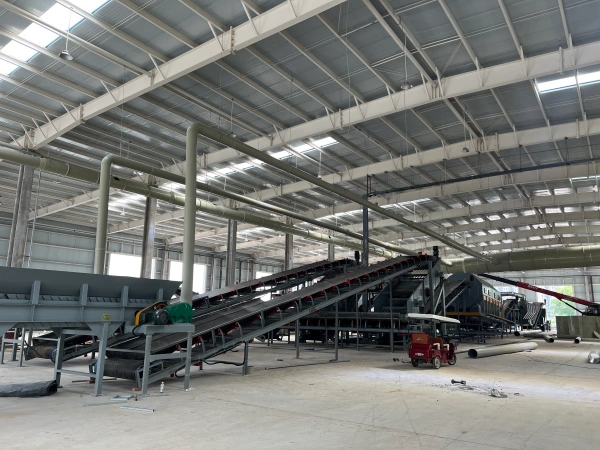
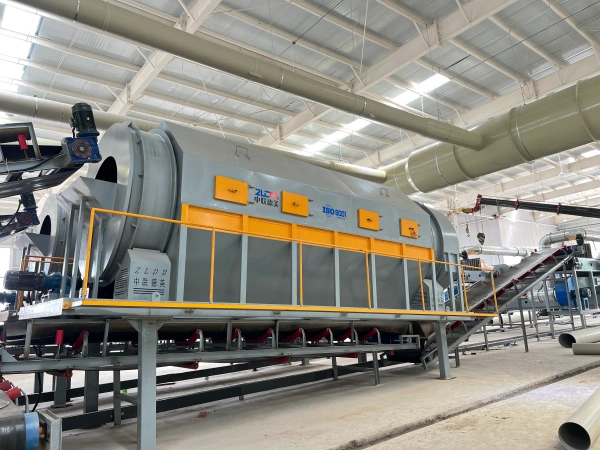
Through multispectral recognition and deep learning, AI systems can achieve high-precision sorting 24/7, increasing the removal rate of lightweight materials to over 98%. This not only significantly reduces labor costs but also ensures the cleanliness of the recycled aggregates at the back end, enabling their use in high-value-added recycled building materials (such as permeable pavers and curbstones).
The Zoomlion Demai R&D Center notes that future sorting production lines will no longer be merely a collection of machines, but rather a deep integration of “machinery and algorithms.” Intelligent sorting systems with self-learning capabilities that can adapt to the characteristics of materials in different regions are becoming the industry standard.